The best time to grow tomatoes depends on your local climate. In most areas, gardeners plant tomatoes in spring after the danger of frost has passed. Tomato plants grow best in warm weather and do not tolerate freezing temperatures.
Before planting, check your local weather forecast. Tomato seeds germinate best when the soil temperature is 60–85°F (16–29°C), and young plants grow well when daytime temperatures stay between 70–85°F (21–29°C). Planting too early in cold soil can slow growth and damage seedlings.
If you live in a region with a long growing season, you can harvest tomatoes for several months. Feeding plants with natural fertilizers such as compost, worm castings, or well-rotted manure every 3–4 weeks also helps produce healthier plants and higher yields.
If you live in a region with a long growing season, you may enjoy harvesting tomatoes for several months. Read More about Natural Fertilizers for Plants at Home.
How to Find Your Last Frost Date (Why Timing Is Region-Specific)
Tomato timing isn’t a fixed calendar date — it depends entirely on where you live. Tomatoes are frost-sensitive, so the single most important number for timing your planting is your area’s average last spring frost date, not a generic “spring” rule of thumb.
Finding Your Date: The easiest way is to search your ZIP or postal code on a frost date calculator, such as the Old Farmer’s Almanac frost tool, or to look up your USDA Hardiness Zone on the official USDA Plant Hardiness Zone Map and cross-reference it with your local extension office’s frost data. Your zone tells you how cold winters get; your last frost date tells you when it’s safe to put tender seedlings outside.
Working Backward From the Date: Once you know your last frost date, two simple rules cover most of the planning. Start seeds indoors roughly 6–8 weeks before that date. Transplant seedlings outdoors about 1–2 weeks after that date, once nighttime temperatures reliably stay above 50°F (10°C) and soil temperature is at least 60°F (15°C) — soil temperature matters more than air temperature for tomatoes.
A Useful Buffer: Many experienced gardeners don’t plant exactly on their average last frost date, since “average” means there’s roughly a 50% chance frost could still occur on or after it. Adding a one- to two-week buffer after that date reduces the risk of an unexpected late frost wiping out a season’s seedlings.
Common Mistakes New Tomato Growers Make
Many beginners make simple mistakes when growing tomatoes. Avoiding these problems can improve plant health and increase harvests.
Planting in Too Much Shade
Tomatoes need direct sunlight every day. Plants grown in shade often produce fewer flowers and fruits.
How Much Sun, Specifically: Tomatoes generally need at least 6–8 hours of direct sunlight daily to flower and fruit well; less than that and the plant tends to grow leggy stems and sparse, weak blossoms even if it otherwise looks healthy.
Overwatering
Too much water can cause root problems and yellow leaves. Always check the soil before watering.
A Practical Check: Established tomato plants typically need about 1–1.5 inches of water per week, adjusted upward in hot, dry stretches. Watering deeply but less often encourages deep root growth, while frequent shallow watering keeps roots near the surface and more vulnerable to stress.
Crowding Plants
Plants placed too close together may struggle with airflow. Leave enough space between plants to help them grow properly.
Specific Spacing: Indeterminate tomato varieties (the kind that keep growing taller all season) generally need about 36 inches between plants, with rows 48–60 inches apart, to allow airflow. Crowded spacing traps humid air around the leaves, which is directly linked to higher rates of fungal issues like early blight later in the season.
Skipping Plant Supports
Tomato plants often become heavy as fruits develop. Stakes or cages help keep stems upright and reduce damage.
Timing the Support: It’s far easier to install a stake or cage at planting time than to wrestle one around an already-sprawling plant later in the season, especially for indeterminate varieties that keep growing taller until frost.
Ignoring Pests
Regular inspection helps you find pest problems early. Early action often prevents larger issues later.
What to Look For: Weekly checks for aphids, hornworms, and whitefly on the undersides of leaves catch most problems before they spread. Neem oil or insecticidal soap, applied directly to affected areas, is generally considered safer for edible plants than broad chemical pesticides.
How Many Tomatoes Can One Plant Produce?
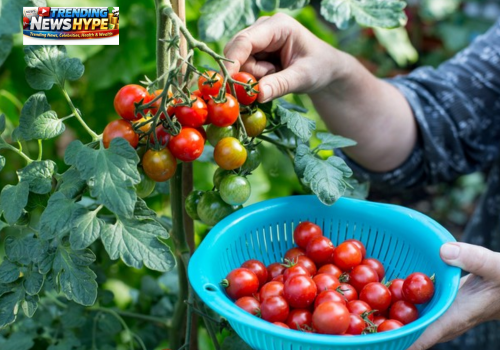
The number of tomatoes a plant produces depends on the variety, growing conditions, and care routine. Cherry tomato plants often produce dozens of fruits throughout the season. Larger varieties may produce fewer fruits, but each tomato is much bigger.
Determinate vs. Indeterminate: Determinate (bush-type) varieties tend to ripen most of their fruit in one larger flush over about 4–6 weeks, then taper off. Indeterminate (vining) varieties keep flowering and fruiting continuously, sometimes for several months, until frost ends the season, which is part of why indeterminate types need taller, sturdier support.
Healthy plants that receive enough sunlight, water, and nutrients usually provide a better harvest. Regular picking also encourages wide varieties to continue producing fruit. Read More about How to Compost Kitchen Waste at Home.
Although harvest amounts vary, even a few tomato plants can provide a useful supply of fresh tomatoes for home use.
Tips for the Best Time to Grow Tomatoes
A few simple habits can help your plants stay healthy throughout the season.
- Remove damaged leaves when necessary.
- Keep weeds away from the base of plants.
- Add fresh mulch during hot weather.
- Rotate planting locations each year if possible.
- Check plants regularly for signs of pests or disease.
These small steps can help reduce problems and support steady growth.
Why Mulch in Hot Weather Specifically Helps: A layer of straw or wood chips insulates the root zone, helping keep soil temperature more stable and reducing moisture loss — both of which matter more as outdoor temperatures climb through summer.
Quick-Reference Planting Windows: Northern vs. Southern Hemisphere
Because “spring” falls at opposite times of year depending on where you live, a single calendar-based rule doesn’t work globally. Use your hemisphere and local climate type as a starting point, then confirm against your specific frost dates.
Northern Hemisphere (e.g., most of the US, Canada, UK, Europe): Cooler zones (USDA Zones 3–6) typically see last frost dates from mid-April through early June, with outdoor tomato planting from mid-May into June. Warmer zones (Zones 7–10) often plant from March through May, and in frost-free areas, tomatoes can sometimes be grown nearly year-round.
Southern Hemisphere (e.g., Australia, South Africa, southern South America): Seasons are reversed, so spring planting generally runs from August through November rather than March through June. In temperate areas like Sydney or Perth, planting commonly starts in September; cooler regions like Melbourne, Canberra, or Hobart often wait until October or November once frost risk has passed. Tropical and subtropical regions in both hemispheres can sometimes plant in their local dry season instead of following a strict spring rule, since high heat and humidity bring their own fruiting problems.
The Universal Rule Underneath Both: Regardless of hemisphere, the actual trigger isn’t a date on the calendar — it’s the combination of frost risk being over and soil temperature reaching roughly 60°F (15°C) or warmer.
What Happens If You Plant Too Early or Too Late
Mistimed planting is one of the most common — and most avoidable — problems beginners run into, and it shows up differently depending on which direction you get it wrong.
Planting Too Early (Cold Soil and Frost Risk): Tomato seedlings set out into soil below about 55°F (13°C) often stall, turning yellow or developing pale, purplish leaf discoloration as the plant struggles to take up nutrients in cold conditions, even if the air feels warm enough.
A single unexpected frost can go further and kill tender seedlings outright, or cause leaves to scorch and turn brown and crumbly. Symptoms from cold stress don’t always show immediately — a seedling can look fine for two to three days before damage becomes visible.
Planting Too Late (Heat Stress and Blossom Drop): On the other end, tomatoes set out too late into the heat of summer face a different problem: once daytime temperatures consistently exceed about 85–90°F (29–32°C) and nighttime temperatures stay above roughly 70–75°F (21–24°C), tomato pollen can become sterile or clump together, and flowers abort and drop off before fruit ever forms.
This is known as blossom drop, and it isn’t caused by disease, pests, or nutrient problems — it’s a direct temperature response, and it can keep happening in a heatwave even on an otherwise perfectly healthy plant. Smaller-fruited varieties like cherry tomatoes tend to be somewhat less affected by this than large beefsteak-type tomatoes.
The Practical Takeaway: Both mistakes are fixable by timing transplanting to land in the window between “frost risk has passed” and “extreme summer heat hasn’t yet arrived” — which is exactly why the last frost date, rather than a fixed date on the calendar, is the number worth tracking for your specific location.
Frequently Asked Questions
Can tomatoes grow indoors?
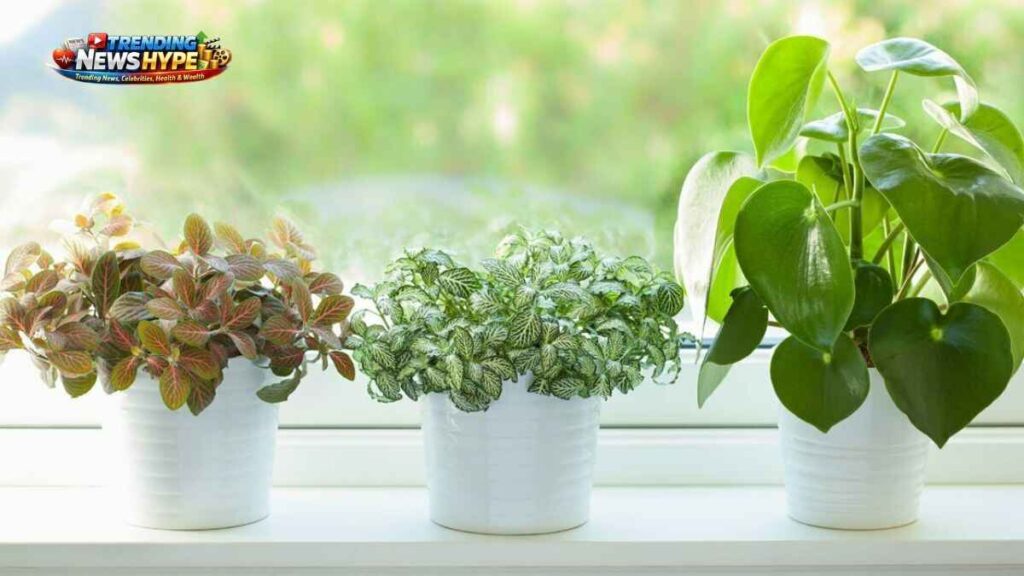
Yes. Tomatoes can grow indoors if they receive enough light. Place plants near a sunny window or use grow lights when natural light is limited. Choose compact or dwarf tomato varieties, as they are better suited for containers and indoor spaces. Regular watering, good air circulation, and occasional feeding will help the plants produce healthy flowers and fruit.
Why are my tomato flowers falling off?
Flower drop can occur because of temperature changes, watering problems, or plant stress. Consistent care often helps reduce this issue. Tomatoes grow best when daytime temperatures stay between 21–29°C (70–85°F). Avoid letting the soil become too dry or too wet, and ensure the plants receive enough sunlight to support flowering and fruit set.
Can I use kitchen compost for tomatoes?
Yes. Well-made compost can improve soil quality and provide nutrients for tomato plants. Make sure the compost has fully broken down before use. Finished compost improves soil structure, retains moisture, and encourages beneficial microorganisms. Avoid adding fresh food scraps directly to the soil, as they can attract pests and may harm the plants.
Do tomato plants need fertilizer?
Tomatoes benefit from nutrients during the growing season. Compost or a balanced fertilizer can support healthy growth and fruit production. Apply fertilizer according to the product instructions, especially once the plants begin flowering. Too much nitrogen can produce lush leaves but fewer tomatoes, so use a balanced or tomato-specific fertilizer for the best results.
Conclusion
Learning how to grow tomatoes at home does not require special skills or a large garden. By choosing the right variety, planting in a sunny location, preparing healthy soil, and watering correctly, you can grow productive tomato plants at home. In addition, providing support, removing weeds, and monitoring for common problems can improve results throughout the season.
Whether you grow tomatoes in containers, raised beds, or garden soil, the process remains simple and rewarding. With regular care and patience, you can enjoy fresh tomatoes from your own home garden for many weeks during the growing season. Read More about How to Compost Kitchen Waste at Home.

Ali is a home gardener and plant enthusiast with five years of hands-on experience growing vegetables, herbs, and indoor plants. Alex started gardening on a small apartment balcony and has since expanded to raised beds, container gardens, and a growing collection of indoor tropicals. The focus at Trending News Hype is simple: practical advice that actually works, written from real experience rather than theory. Ali Hassan also contributes gardening content based on years of practical experience with home gardens, container planting, and indoor plant care. His articles focus on simple, effective techniques that help beginners and experienced gardeners grow healthier plants with confidence. Together, the team shares reliable, experience-based advice to make gardening easier and more enjoyable for everyone.