Buying fertilizer from a shop is easy, but most of what your plants actually need is already sitting in your kitchen bin. Vegetable peels, eggshells, coffee grounds, and fruit scraps are all nutrient sources that plants can use, and turning them into fertilizer costs nothing and takes very little effort.
This guide covers the most effective natural fertilizers you can make at home, how each one works, how to prepare and apply them correctly, and the mistakes that reduce their effectiveness or cause harm. Read More: Benefits of Growing Vegetables in Containers
Why Natural Fertilizers Work Better Long Term
Chemical fertilizers deliver nutrients quickly but do nothing for soil health. With repeated use, chemically fertilized soil often becomes compacted, loses its microbial activity, and becomes increasingly dependent on synthetic inputs to support plant growth.
Natural fertilizers work differently. They feed the soil as much as the plant. Compost, banana peel water, and coffee grounds all support the microbial soil life that breaks down organic matter, improves soil structure, and makes nutrients available to roots over time. A plant growing in genuinely healthy soil is more resistant to pests, drought, and disease than one growing in depleted soil kept alive by chemical fertilisers.
The tradeoff is speed. Natural fertilizers work slowly. They are not the right choice if a plant is severely nutrient-deficient and needs immediate help. But for regular maintenance and long-term soil improvement, they are consistently better than chemical alternatives.
Importance of Natural Fertilizers for Plants at Home
Chemical fertilizers deliver nutrients fast, but they do nothing for the soil itself. Over time, repeated chemical feeding depletes the microbial life in soil, hardens its structure, and creates a dependency where plants need more input to produce the same results. Natural fertilizers break that cycle.
Compost, coffee grounds, eggshells, and banana peel water all feed the living ecosystem in the soil — the bacteria, fungi, and organisms that process organic matter into forms plants can absorb. A soil with a healthy microbial population is more resistant to disease, retains moisture better, drains more effectively, and requires less intervention over time.
The practical benefits are straightforward: lower cost, since all of these materials come from household waste; no chemical residue on edible crops; and soil that genuinely improves season after season rather than staying inert between feeding cycles.
Quick Reference: Natural Fertilizers at a Glance
| Fertilizer | Main Nutrient | Best For | How Often |
|---|---|---|---|
| Compost | Nitrogen, phosphorus, potassium, trace minerals | All plants — universal soil improver | When repotting or refreshing soil, as top dressing every 4–6 weeks |
| Banana peel water | Potassium | Flowering plants, tomatoes, peppers, roses | Once a week during growing season |
| Eggshell powder | Calcium | Tomatoes, peppers, fruiting vegetables | Mix into soil at potting; reapply every 8–10 weeks |
| Coffee grounds | Nitrogen | Leafy greens, herbs, ferns, acid-loving plants | Once a month, mixed into soil |
| Rice water | Starch, B vitamins, trace NPK | All plants as a gentle background feed | Every 1–2 weeks in place of plain water |
| Wood ash | Potassium, calcium | Alkaline-preferring plants, brassicas, lawns | Light application once per season; avoid acid-loving plants |
Types of Natural Fertilizers for Plants at Home
There are many simple, natural fertilizers you can prepare at home. Below are some common and effective ones.
Compost
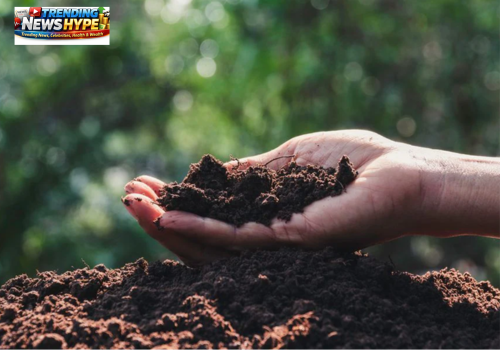
Compost is the most complete natural fertilizer available. It contains nitrogen, phosphorus, potassium, calcium, and a wide range of trace minerals, all in a form that soil organisms can process and make available to plant roots gradually.
How to use it: mix two to three centimetres of finished compost into the top layer of potting soil when replanting or refreshing containers. For garden beds, work it into the top ten centimetres of soil before planting. For established plants, apply a thin layer as a top dressing around the base and water it in. The nutrients will work their way down to the roots over the following weeks.
The keyword is finished. Half-decomposed compost can actually harm plants by drawing nitrogen out of the soil as it continues breaking down. Finished compost should be dark brown or black, crumbly, and smell earthy rather than like rotting food.
If it still smells unpleasant or you can identify the original materials, it needs more time.For a detailed guide on making compost at home, see How to Compost Kitchen Waste at Home.
Banana Peel Fertilizer
Banana peels are high in potassium and contain smaller amounts of phosphorus and calcium. Potassium plays a central role in flower and fruit production, root development, and the plant’s ability to regulate water. It is one of the three primary plant nutrients and one that flowering and fruiting plants use in significant quantities.
There are two practical ways to use banana peels as fertilizer:
The first is banana peel water. Place two or three banana peels in a jar or container, cover with water, and leave for 48 hours. Remove the peels and use the water to water your plants as normal. The water will have absorbed potassium and other minerals from the peels. Use this once a week for flowering plants or any plant that appears to be growing slowly despite good light and watering.
The second method is direct soil application. Chop banana peels into small pieces and bury them a few centimetres below the soil surface near the plant’s root zone. They will break down over two to four weeks and release nutrients directly where the roots can access them. Leaving whole or large pieces on the soil surface attracts fruit flies and breaks down too slowly to be useful.
Plants that respond best to banana peel fertilizer include tomatoes, roses, flowering houseplants, and fruiting vegetables like peppers and courgettes.
Eggshell Fertilizer
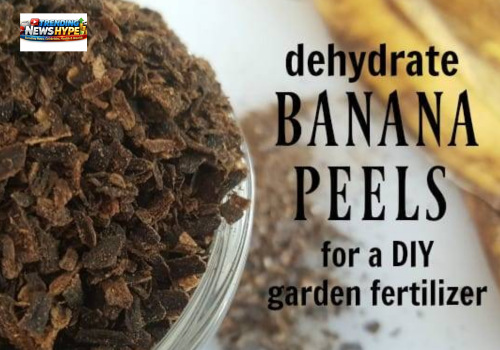
Eggshells are composed almost entirely of calcium carbonate. Calcium is essential for cell wall development in plants and plays a significant role in preventing a condition called blossom end rot in tomatoes and peppers, where the base of the fruit turns black and collapses due to calcium deficiency.
The challenge with eggshells is that they break down very slowly in soil. Whole or coarsely crushed eggshells can take a year or more to release meaningful amounts of calcium. To make them useful on a shorter timescale, the preparation matters.
Rinse the shells and leave them to dry completely. Once dry, grind them as finely as possible using a pestle and mortar, a blender, or by placing them in a bag and crushing with a rolling pin. The finer the powder, the faster it will break down and release calcium into the soil. Mix a tablespoon of finely ground eggshell powder into the top layer of soil per pot, or add it to your compost pile where it will incorporate into the finished compost.
Eggshells also slightly raise soil pH, which can be useful for plants that prefer less acidic conditions but can be counterproductive for acid-loving plants like blueberries or azaleas. For most general houseplants and vegetables, the effect is minor and beneficial.
Coffee Grounds
Used coffee grounds are a source of nitrogen, which is the nutrient most directly responsible for leafy green growth. They also contain small amounts of potassium and phosphorus, improve soil drainage and aeration when mixed in, and attract earthworms, which further improve soil structure.
The mistake most people make with coffee grounds is using too much. Coffee grounds are slightly acidic and can, in large quantities, inhibit plant growth rather than support it. The correct approach is to add them in small amounts and mix them thoroughly into the soil rather than layering them on the surface.
For container plants, mix one to two tablespoons of used coffee grounds into the top layer of soil once a month during the growing season. For garden beds, mix them into the soil at a ratio of no more than ten to fifteen percent of the total soil volume. Sprinkling a thick layer of coffee grounds on the surface of soil is not effective and can create a barrier that repels water.
Rice Water
Water used to rinse or cook rice contains starch, B vitamins, and small amounts of nitrogen, phosphorus, and potassium. It is not a complete fertilizer by any measure, but it is a genuinely useful supplement that most households can produce without any extra effort.
Let rice washing water cool to room temperature before using it. Use it to water plants in place of plain water once every one to two weeks. Fermented rice water, made by leaving the rinsing water at room temperature for 24 to 48 hours before use, is more nutrient-dense, as fermentation increases the concentration of beneficial compounds.
Rice water works as a gentle background feed rather than a primary fertilizer. Think of it as a supplement alongside compost or banana peel water rather than a replacement.
Wood Ash
If you have a fireplace or wood-burning stove, wood ash is a useful garden fertilizer that most people discard. It contains potassium, calcium, and phosphorus, and raises soil pH, making it particularly useful for acidic soils or for plants that prefer alkaline conditions.
Apply wood ash sparingly. A light dusting over the soil surface around plants, worked in gently, is sufficient. Avoid applying it near acid-loving plants entirely. Do not use ash from treated, painted, or composite wood, which may contain harmful compounds.
How to Make Compost at Home
Making compost at home is simple and does not require special tools. Start with a container or bucket. Add dry materials like leaves or paper at the bottom. Then add kitchen waste like fruit and vegetable peels.
Keep adding layers and mix them every few days. Make sure the mixture stays slightly moist but not too wet. After a few weeks, the waste turns into dark, rich compost that is ready to use in your garden.
How to Combine Natural Fertilizers Effectively
Natural fertilizers work best when used together rather than relying on a single source. Each one provides a different nutrient profile and improves the soil in different ways.
A practical routine for container plants during the growing season might look like this. Use finished compost when refreshing or repotting soil. Water with banana peel water once a week for potassium. Add a small amount of coffee grounds to the soil surface once a month and mix in gently. Use rice water in place of plain water every couple of weeks. Add crushed eggshell powder when potting up tomatoes, peppers, or any fruiting plant.
This combination covers the three primary nutrients, provides trace minerals, supports soil microbial life, and costs almost nothing since all of these materials come from normal household waste.
How to Use Natural Fertilizers
Natural fertilizers should be used in a balanced way. You can mix compost into the top layer of soil. Liquid fertilizers like banana peel water can be used once or twice a week.
Eggshell powder and coffee grounds can be added in small amounts. It is important not to overuse fertilizers. Small and regular use gives the best results.
Signs Your Plant Needs a Specific Nutrient
One of the most useful skills in home gardening is being able to read what a plant is telling you through its leaves, stems, and growth pattern. Each primary nutrient deficiency produces visible, recognisable symptoms that point directly to the right natural fertilizer.
Nitrogen deficiency
It shows up as yellowing that starts on the oldest, lowest leaves and works its way upward. The whole leaf turns yellow, not just the edges or tips. Growth slows noticeably, and the plant looks pale and washed out overall. Nitrogen is the most commonly deficient nutrient in container plants because it leaches out of the soil quickly with regular watering. Coffee grounds mixed into the top layer of soil, or a compost top dressing, address nitrogen deficiency effectively within two to three weeks.
Potassium deficiency
It appears as browning or scorching around the edges and tips of leaves, while the centre stays green. Older leaves are affected first. Flowering plants show reduced blooms, and fruiting plants produce fewer or smaller fruits. Banana peel water, applied once a week, is the most direct natural source of potassium for home plants.
Calcium deficiency
It is most visible in new growth and in fruit. The classic sign is blossom end rot in tomatoes and peppers — a dark, sunken patch at the base of the fruit. New leaves may also look distorted or fail to unfurl properly. Finely ground eggshell powder mixed into the soil at planting time is the most accessible natural calcium source for home gardeners.
Phosphorus deficiency
It causes leaves to develop a purplish or reddish tint on their undersides, particularly in younger plants in cool soil. Root development slows, and flowering is delayed. Compost is the most balanced natural source of phosphorus, and bone meal — available at garden centres — is the most concentrated natural phosphorus supplement if a deficiency is severe.
Magnesium deficiency
It appears as yellowing between the leaf veins while the veins themselves remain green — a pattern called interveinal chlorosis. It most commonly affects tomatoes, roses, and citrus plants. A diluted Epsom salt solution (one teaspoon per litre of water applied monthly) is a simple and effective natural treatment.
Using this symptom guide prevents over-application of fertilizers the plant does not need, which is one of the most common causes of poor plant performance in home gardens.
Common Mistakes When Using Natural Fertilizers
Natural fertilizers are forgiving by nature, but a few consistent mistakes reduce their effectiveness significantly or cause problems that take weeks to reverse.
Using too much coffee grounds.
This is the most frequent mistake. Coffee grounds are mildly acidic and contain compounds that can inhibit seed germination and root development at high concentrations. A tablespoon mixed into the soil once a month is useful. A thick layer spread across the surface is counterproductive — it repels water, creates a mat that surface roots cannot penetrate, and can raise acidity to levels that stress non-acidic plants.
Applying unfinished compost.
Half-decomposed compost actively draws nitrogen out of the soil as it continues breaking down. Applying it around plants can cause temporary nitrogen deficiency — the opposite of the intended effect. Always ensure compost is fully finished before use: dark, crumbly, earthy-smelling, with no identifiable original materials.
Burying banana peels whole.
Whole banana peels take four to six weeks to break down and attract fruit flies and other pests in the meantime. Chopping into pieces smaller than 3cm and burying several centimetres below the surface eliminates both problems and speeds nutrient release significantly.
Using wood ash on acid-loving plants.
Wood ash raises pH meaningfully over repeated applications. Using it near blueberries, azaleas, rhododendrons, or any acid-preferring plant can push soil conditions outside their tolerance range within a season. Keep wood ash away from these plants entirely.
Applying rice water without letting it cool.
Hot or warm rice water applied directly to plant roots causes thermal stress and can damage root tissue. Always let it cool completely to room temperature before watering. This takes about 30 minutes and is worth waiting for.
Treating natural fertilizers as a replacement for compost.
Banana peel water, rice water, and coffee grounds are supplements, not complete fertilizers. None of them provides the full range of macro and micro nutrients that plants need. Compost remains the foundation — everything else supports and complements it.
Seasonal Fertilizing Guide for Home Plants
Natural fertilizing is not a year-round, constant activity. Plants have different nutritional needs at different points in the year, and applying the right fertilizer at the right time produces noticeably better results than a flat routine applied regardless of season.
Spring — Restart and build.
As days lengthen and temperatures rise, plants come out of dormancy and begin active growth. This is the most important time to refresh the soil. Repot or top-dress container plants with finished compost. Begin banana peel water applications once a week. Start adding small amounts of coffee grounds monthly. This feeds the surge of growth that spring triggers and sets the plant up for a productive season.
Early summer — Support growth and flowering.
Once plants are in active growth and beginning to flower or set fruit, potassium becomes the priority nutrient. Continue banana peel water weekly. Add crushed eggshell powder to any fruiting plant containers to prevent calcium-related problems before they appear. Use rice water as a supplement between regular watering.
Mid to late summer — Maintain without overdoing it.
Plants are in peak production. Avoid heavy nitrogen feeding at this stage — too much nitrogen in summer pushes leafy growth at the expense of fruit and flower production. Reduce or stop coffee grounds from midsummer onward for flowering and fruiting plants. Continue banana peel water and eggshell supplementation.
Autumn — Wind down and replenish soil.
As growth slows and temperatures drop, reduce all fertilizer applications. This is a good time to add a layer of compost as a top dressing to garden beds — it will slowly work into the soil over winter, building organic matter and microbial life ready for the following spring. Wood ash can be lightly applied to beds during autumn if the soil is acidic.
Winter — Rest.
Most houseplants and outdoor plants are in dormancy or slow growth. Fertilizing during this period is largely wasted — plants cannot absorb nutrients at the rate they would during active growth, and excess nutrients accumulate in the soil. Pause all fertilizer applications through the coldest months and resume in spring when growth restarts.
Tips for Better Plant Growth
Always use clean and fresh waste for composting. Avoid adding oil, meat, or dairy products because they can cause a bad smell.
- Keep compost in a shaded place and turn it regularly for airflow.
- Use different natural fertilizers together for better results.
- Water plants properly and avoid over-fertilizing.
Frequently Asked Questions
Are natural fertilizers safe for vegetables?
Yes, natural fertilizers are safe for vegetables because they do not contain harmful chemicals.
How long does compost take to be ready?
Compost usually takes 3 to 6 weeks, depending on temperature and materials.
Can I use banana peels directly in soil?
Yes, but cutting them into small pieces helps them break down faster.
Do natural fertilizers work slowly?
Yes, they work slowly but improve soil for long-term plant health.
Conclusion
The materials to fertilize most home plants effectively are already in your kitchen. Compost provides a complete nutrient base. Banana peel water adds potassium for flowering and fruiting. Eggshells supply calcium for strong cell development. Coffee grounds contribute nitrogen for leafy growth. Rice water adds a gentle background feed with minimal effort.
None of these requires special equipment, significant time, or any cost beyond what you are already producing as household waste. Used consistently over a growing season, they produce plants that are genuinely healthier, more resilient, and better nourished than those kept alive with synthetic feeds on depleted soil. Read More about How to Compost Kitchen Waste at Home.

Ali is a home gardener and plant enthusiast with five years of hands-on experience growing vegetables, herbs, and indoor plants. Alex started gardening on a small apartment balcony and has since expanded to raised beds, container gardens, and a growing collection of indoor tropicals. The focus at Trending News Hype is simple: practical advice that actually works, written from real experience rather than theory. Ali Hassan also contributes gardening content based on years of practical experience with home gardens, container planting, and indoor plant care. His articles focus on simple, effective techniques that help beginners and experienced gardeners grow healthier plants with confidence. Together, the team shares reliable, experience-based advice to make gardening easier and more enjoyable for everyone.