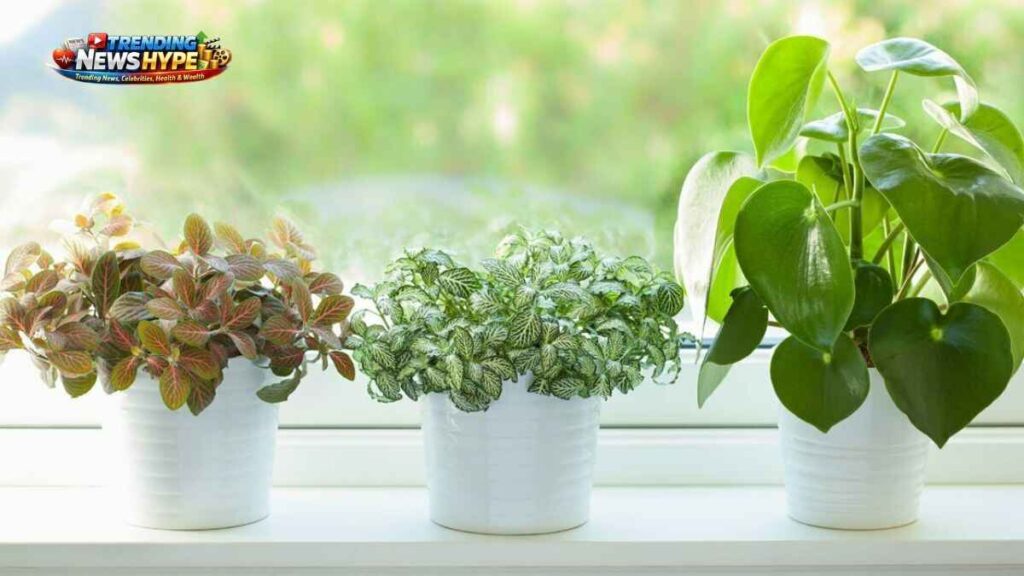
Three years ago, I had a four-square-metre balcony, no garden, and a strong desire to grow my own food. I started with two pots of tomatoes and a single chilli plant. By the end of that first summer, I had harvested enough tomatoes to stop buying them for six weeks and learned more about plant care in three months than I had in the previous ten years of occasionally keeping houseplants alive.
Container vegetable gardening is genuinely one of the most accessible ways to start growing food at home. This guide covers the real benefits, the practical advantages over ground gardening, which vegetables actually work well in containers, and what nobody tells you when you are starting.
This gardening method is becoming more popular because it is low-cost, beginner-friendly, and produces fresh, chemical-free vegetables. It also allows better control over soil, water, and plant care compared to traditional gardening. In this article, we will explore the main benefits of growing vegetables in containers and why it is a great choice for home gardening today.
You Do Not Need a Garden or Much Space
This is the most obvious benefit, but it is worth stating clearly because a lot of people assume vegetable gardening requires outdoor space, decent soil, and significant time. None of those things is true for container growing.
A sunny balcony, a south or west-facing windowsill, a rooftop, a patio, a front doorstep that gets afternoon sun — any of these can support a productive container vegetable garden. The minimum you need is a container, potting compost, seeds or seedlings, and a spot that receives at least six hours of direct sunlight per day.
In terms of physical space, four or five thirty-centimetre pots can produce a meaningful amount of food. Tomatoes, lettuce, spinach, chillies, radishes, spring onions, and most herbs all grow well in containers and take up no more room than a small bookshelf. If you’re trying to decide what to start with, the best time to grow tomatoes at home for beginners is worth reading before you buy your first seedling, since timing matters more for tomatoes than for almost anything else on this list.
Full Control Over Growing Conditions
One of the genuine advantages of container growing over ground gardening is that you control every variable. The soil you use, the nutrients in it, the watering schedule, the position — all of it is in your hands.
In a ground garden, you inherit whatever soil is there, deal with whatever drainage the plot has, and work around the fixed position of the bed. In a container, you build the growing environment from scratch. The right potting mix should match what you are growing. Compost or natural fertilizer can be added at the desired concentration. Containers can be moved to follow the sun or placed under cover during heavy rain.
This level of control makes a significant difference in results, particularly for beginners. Problems are easier to diagnose because you know exactly what went into the soil. Recovery from mistakes is faster because you can replace the soil entirely if needed. And successful results are more repeatable because you can recreate the exact conditions that worked.
Fewer Pest and Disease Problems
Container-grown vegetables tend to experience fewer pest and disease problems than ground-grown ones, for a straightforward reason. Many soil-dwelling pests cannot reach pots that are raised off the ground. Slugs and snails, which cause enormous damage to ground-level vegetable plants, struggle to reach pots on a balcony or elevated surface. Soil-borne diseases do not persist in fresh potting compost the way they do in established garden soil that has grown the same crops repeatedly.
This does not mean container plants are immune to pests. Aphids, whiteflies, and spider mites can still be a problem, particularly in warm, dry conditions. But the range of threats is narrower, and the plants are easier to inspect. You can check every plant in a few minutes, notice a problem early, and deal with it before it spreads.
Isolating a plant with a pest problem is also much easier in containers. You simply move the affected pot away from the others while you treat it, which prevents the problem from spreading to healthy plants. I lean heavily on natural fertilizers for this exact reason — when you mix the feed yourself, you actually know what’s in the pot.
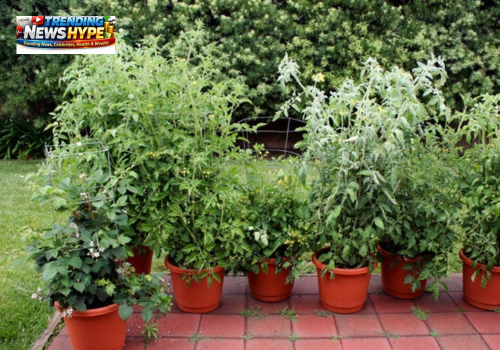
Beginners can easily grow vegetables like tomatoes, spinach, chillies, coriander, and lettuce. With basic care, plants grow well and give good results.
Better Water Efficiency Than Most People Expect
Container gardening has a reputation for requiring a lot of watering, and this is partly true — containers dry out faster than ground soil because the volume of soil is smaller and the sides of the pot allow more evaporation. In summer, some containers need daily watering.
What container growing does well, however, is direct water precisely where it is needed. In a ground garden, a significant proportion of water applied to a bed is lost to evaporation from open soil, absorbed by weeds, or drains away before reaching plant roots. In a container, water applied to the surface reaches the root zone directly and drains through the bottom only when the soil is fully saturated.
The result is that while you may water more frequently, you use water more efficiently. Adding a layer of mulch or compost to the surface of container soil reduces evaporation significantly and can cut watering frequency almost in half during hot weather.
Self-watering containers, which have a reservoir at the base that draws water up through the soil as the plant needs it, are particularly effective for busy people or anyone who travels regularly. They are worth the slightly higher cost for vegetables that need consistent moisture, like tomatoes and lettuce.
The Flexibility to Move Plants
This is a benefit that sounds minor but becomes genuinely useful once you start growing. If a spot is not working — too much shade, too exposed to wind, too close to a heat source — you pick the pot up and move it. No digging, no replanting, no starting over.
In practice, this means you can follow the sun across your balcony or patio through the season as the sun’s angle changes. You can bring tender plants under cover when unexpected cold or heavy rain arrives. You can move a plant that is struggling to a better position and see whether the conditions were the problem. Ground gardening offers none of this flexibility.
Better Control Over Soil and Water
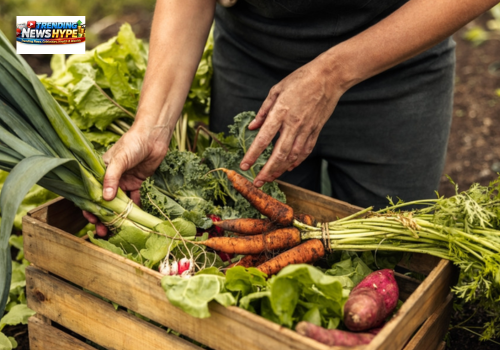
Container gardening gives full control over the soil. You can use rich soil mixed with compost to help plants grow better. You also control watering, which reduces problems like overwatering or underwatering. Plants grow in a balanced way and stay healthier.
Fewer Pests and Diseases
Container plants face fewer pest and disease problems compared to ground gardens. Read More: How to Compost Kitchen Waste at Home
Since containers are raised:
- Many soil insects cannot reach plants
- Diseases spread more slowly
- Each plant is easy to inspect
Problems can be fixed quickly before they spread.
Easy to Maintain
Container gardening is simple to manage and does not need heavy work like digging.
You can easily:
- Move pots to sunlight
- Shift plants during bad weather
- Check plants in a few minutes daily
This makes it perfect for busy people.
Saves Water
Container gardening uses water more efficiently. Water goes directly to the roots, so there is less waste. Proper drainage also helps control water usage. This makes it an eco-friendly method.
Benefits of Growing Vegetables in Containers
One of the best benefits is flexibility. You are not fixed to one place. If a spot is not suitable, you can move the pot easily. This helps plants grow in better sunlight and conditions.
Good for Mental Health
Gardening also helps your mind and mood.
Taking care of plants:
- Reduces stress
- Improves mood
- Gives peace of mind
Watching plants grow brings daily satisfaction and calmness.
Reduces Grocery Expenses
Growing vegetables at home can help reduce food costs. Even small harvests can save money on daily-use vegetables like tomatoes, chillies, spinach, and coriander. Over time, this becomes a helpful saving habit.
Supports Organic Living
Container gardening allows you to grow vegetables without chemicals. You can use natural compost and organic fertilizers. This helps you eat healthier and safer food. I cover the specifics of what goes into that mix in Natural Fertilizers for Plants at Home, if you want the longer version of what I actually use.
Mistakes I Made Starting Out
I got a lot wrong in that first summer, and most of it was avoidable in hindsight.
The biggest one was overcrowding. I had four square metres of balcony, and I tried to fit nine pots onto it, convinced that more pots meant more food. What actually happened was that the plants at the back didn’t get enough light, airflow was poor enough that I had a mild mildew problem on one of the tomato plants by July, and watering nine pots properly every day in summer turned into a chore I started resenting. I’d have gotten a better harvest from five well-spaced pots than nine crowded ones.
The second mistake was watering on a schedule instead of checking the soil. I watered every morning regardless of whether the pots actually needed it, because that’s what I assumed “good care” looked like. Two of my pots developed yellowing leaves and a slightly sour smell at the base — overwatered, not underwatered, which surprised me at the time since I’d assumed more water was always safer. I learned to push a finger into the soil before watering, and the problem mostly disappeared.
The third mistake was not feeding the plants. I didn’t realise that potting compost loses its nutrients after a few weeks of active growth. My tomato plants looked healthy at first, but soon stopped growing well. The leaves became smaller, flowering slowed down, and overall growth stalled.
I didn’t realise nutrition was the problem until an experienced friend pointed it out. A simple liquid fertilizer every couple of weeks from early summer would have produced a much better harvest.
None of these mistakes was expensive or hard to fix once I knew what I was looking at. They just took a full season to learn the hard way, which is largely why I’m writing them down here.
Tools and Habits That Actually Made a Difference
A few small changes between year one and year three made container growing noticeably easier, rather than something I had to think hard about constantly. Self-watering pots for the thirstiest plants — tomatoes especially — cut my daily watering obligations roughly in half and meant a missed evening watering session didn’t turn into a wilted plant by morning.
A simple moisture meter, while not strictly necessary, removed the guesswork that led to my early overwatering habit and is a cheap way to build the right instincts faster than trial and error alone. And mulching the surface of every pot, something I skipped entirely that first summer, turned out to meaningfully reduce how often I needed to water during hot weeks, which mattered more than I expected once I actually tried it.
Frequently Asked Questions
Which vegetables are easiest for complete beginners?
Lettuce, radishes, spring onions, and chillies are all genuinely easy and forgiving. Start with one of these rather than tomatoes, which produce well but need more attention to watering and feeding to give good results.
How much sun do container vegetables need?
Most fruiting vegetables — tomatoes, peppers, courgettes — need a minimum of six hours of direct sun per day. Leafy vegetables like lettuce, spinach, and rocket manage with four hours and can even tolerate partial shade, which makes them better options for less sunny spots.
Can I reuse potting compost from last season?
You can mix old compost back into new compost at a ratio of around one part old to two parts new. Using old compost alone is not advisable — it will be depleted of nutrients and may harbour disease or pests from the previous season.
Do I need to feed container vegetables?
Yes, and this is the step most beginners skip. Container plants run out of the nutrients in their compost within a few weeks of active growth. A liquid feed every two weeks from early summer onwards makes a significant difference to both yield and plant health.
Conclusion
Container vegetable growing works because it meets people where they actually are: limited space, limited time, limited experience, and still produces something real and useful. You do not need a garden, specialist knowledge, or expensive equipment to grow food that ends up on your table. The benefits are practical rather than abstract.
Gardeners control what goes into their soil. Even a space the size of a doorstep can support a productive garden. A garden can be moved if its location is not working well. Starting small, learning from experience, and expanding over time is often the best approach. A few pots on a balcony are a legitimate way to grow vegetables. For most people in most living situations, it is the right place to start. Read More: Natural Fertilizers for Plants at Home

Alex Morgan is a home gardener and plant enthusiast with five years of hands-on experience growing vegetables, herbs, and indoor plants. Alex started gardening on a small apartment balcony and has since expanded to raised beds, container gardens, and a growing collection of indoor tropicals. The focus at Trending News Hype is simple: practical advice that actually works, written from real experience rather than theory.