
Summer is the most exciting season for home gardeners. Longer days, warm temperatures, and plenty of sunlight create ideal conditions for growing a wide variety of vegetables, herbs, and flowers.
Whether you have a large backyard, a small kitchen garden, or a few containers on a balcony, choosing the right crops can help you enjoy fresh, homegrown produce throughout the season. Read More: Lucky Plants for Home Decoration.
The best summer vegetables to grow are those that thrive in heat, produce abundant harvests, and require relatively simple care. From crisp cucumbers to nutrient-rich okra, summer offers endless opportunities to cultivate a healthy and productive garden.
Why Grow Vegetables During Summer?
Summer provides favorable conditions for many crops because:
- Warm soil encourages faster germination.
- Longer daylight hours support healthy plant growth.
- Many vegetables produce larger yields during hot weather.
- Homegrown vegetables are fresher and more nutritious than store-bought produce.
By selecting heat-tolerant varieties, gardeners can enjoy continuous harvests throughout the season.
According to the USDA, homegrown vegetables can contain up to 40% more nutrients than commercially transported produce because they are harvested at peak ripeness rather than before maturity. Additionally, summer gardening in warm climates (zones 9–11) can extend the growing season to 8–10 months of the year, giving home growers a significant advantage over colder regions.
Planting Calendar: When to Sow, Transplant & Harvest
Use this table as a guide for timing your summer garden. Dates are approximate and may vary by region and climate zone.
| Vegetable | Sow Indoors | Transplant Outdoors | Direct Sow Outdoors | Days to Harvest |
|---|---|---|---|---|
| Okra | 3–4 weeks before last frost | After last frost | Late spring | 50–65 days |
| Cucumber | 2–3 weeks before last frost | After last frost | Late spring | 50–70 days |
| Bottle Gourd | 2–3 weeks before last frost | After the last frost | Early summer | 60–80 days |
| Bitter Gourd | 2–3 weeks before last frost | After last frost | Early summer | 55–75 days |
| Radishes | Not needed | Not needed | Early spring / late summer | 22–30 days |
| Green Beans | Not needed | Not needed | After last frost | 50–60 days |
| Summer Spinach | Not needed | Not needed | Early spring / late summer | 40–50 days |
| Heat-Tolerant Lettuce | 2–3 weeks before | After last frost | Early spring | 45–60 days |
| Maize (Corn) | Not needed | Not needed | After last frost | 60–100 days |
| Chilies | 6–8 weeks before last frost | After last frost | — | 70–90 days |
Tip: In warmer climates like South Asia, the Middle East, and USDA zones 9–11, most of these crops can be direct-sown from March through June for summer harvests. Always check your local last frost date before transplanting.
Popular Heat-Resistant Vegetables
Some vegetables perform exceptionally well in high temperatures and direct sunlight.
Okra (Ladyfinger)
Okra is one of the most reliable summer vegetables. It grows rapidly in hot weather and continues producing pods throughout the season.
Benefits:
- Highly heat-tolerant
- Easy to grow
- Rich in fiber and vitamins
Okra performs best at soil temperatures between 65°F and 95°F (18°C–35°C). It is one of the few vegetables that actually increases pod production as temperatures rise. A single okra plant can produce 20 to 30 pods per season under good conditions. Varieties like Clemson Spineless and Red Burgundy are popular for home gardens due to their tender pods and consistent yields.
Cucumber
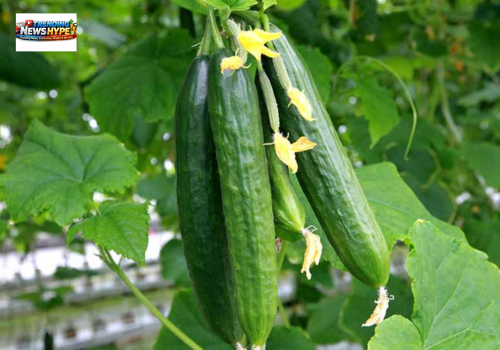
Cucumbers thrive in warm temperatures and produce abundant fruits when provided with adequate water and sunlight.
Benefits:
- Fast-growing
- Ideal for salads and pickling
- Suitable for garden beds and containers
Cucumbers need at least 6 to 8 hours of direct sunlight daily and soil temperatures of 70°F (21°C) or higher to germinate reliably. Bush varieties like Bush Pickle and Spacemaster are excellent for containers, while vining types like Straight Eight perform best on trellises. A well-maintained cucumber plant can produce 10 to 15 fruits per season.
Bottle Gourd
Bottle gourd is a vigorous vine that performs exceptionally well in warm climates.
Benefits:
- High productivity
- Nutritious and versatile
- Suitable for trellises and vertical gardens
Bottle gourd is a powerhouse summer crop in South Asian and African gardening traditions. It thrives in temperatures of 25°C to 35°C (77°F–95°F) and can grow 30 cm or more in a single day under ideal conditions.
One mature plant can yield 5 to 10 gourds per season. It is also rich in water content (about 96%), making it an excellent cooling food during hot months.
Bitter Gourd
Bitter gourd prefers hot conditions and produces healthy yields throughout summer.
Benefits:
- Rich in nutrients
- Suitable for warm regions
- Resistant to many summer conditions
Bitter gourd is one of the most nutrient-dense summer vegetables. It contains high levels of vitamin C, iron, and compounds like charantin that support healthy blood sugar levels.
It grows best at temperatures between 25°C and 30°C (77°F–86°F). Popular varieties include Pusa Do Mausami and Green Long, both of which produce heavily in warm, humid climates.
Summer Spinach Varieties
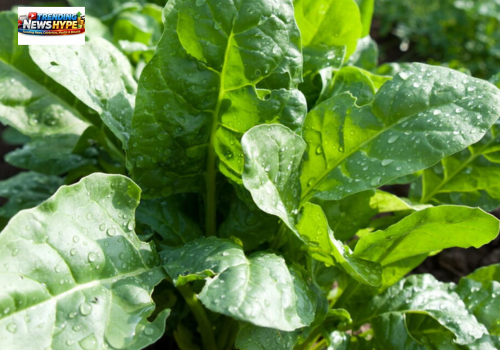
Certain spinach varieties are bred to tolerate warmer temperatures better than traditional spinach.
Benefits:
- Nutritious leafy greens
- Suitable for continuous harvesting
- Grows well with regular watering
Standard spinach bolts (goes to seed) quickly in heat, but heat-tolerant varieties like Malabar Spinach, New Zealand Spinach, and Bloomsdale Long Standing can survive temperatures up to 35°C (95°F).
Malabar Spinach, in particular, is a climbing vine that thrives in full summer heat and can be harvested repeatedly over several months. It is high in iron, calcium, and vitamins A and C. These heat-resistant vegetables can withstand intense sunlight while delivering excellent yields.
Fast-Growing Summer Crops
Gardeners who want quick results should consider fast-growing vegetables. Read More: The Ultimate Guide to Growing Easy Vegetables at Home
Radishes
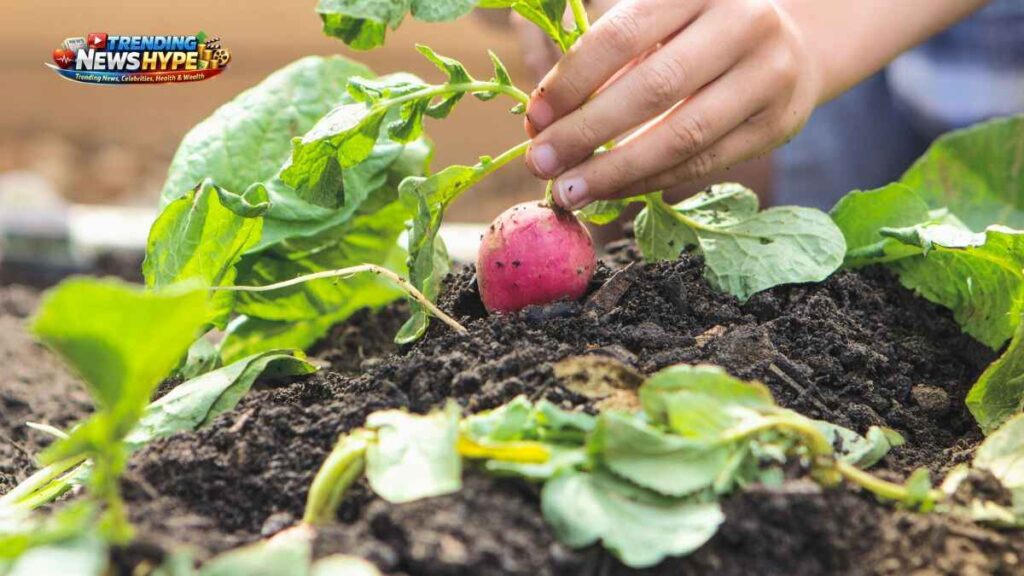
These are the fastest-maturing vegetables in most home gardens. Varieties like Cherry Belle and French Breakfast reach full size in just 22 to 25 days. They prefer cooler soil even in summer, so plant them in partial shade or in the early morning sun. Sow a new batch every 2 weeks for a continuous supply throughout the season.
Heat-Tolerant Lettuce
Special summer lettuce varieties can handle warmer temperatures better than traditional types. Varieties such as Black Seeded Simpson, Jericho Romaine, and Nevada have been specifically bred to resist bolting in warm weather.
They can tolerate temperatures up to 30°C (86°F) with some afternoon shade. Harvest outer leaves first to extend production — this cut-and-come-again method can keep a single plant producing for 8 to 10 weeks.
Green Beans
Green beans grow rapidly and produce generous harvests during warm weather. Bush-type green beans like Blue Lake 274 and Provider are especially fast, producing ready-to-pick pods in just 50 to 55 days. They do not need staking or climbing support, making them ideal for beginners.
A 3-meter row of green beans can yield 2 to 4 kg of pods over the season. Sow new seeds every 3 weeks for back-to-back harvests. These vegetables are excellent choices for a kitchen garden and provide fresh produce in a short time.
Organic Summer Vegetables
Growing organic vegetables has become increasingly popular among home gardeners.
Instead of synthetic fertilizers, use:
- Compost
- Well-rotted manure
- Vermicompost
- Organic mulch
Organic matter improves soil in measurable ways. Adding just 5% compost to garden soil can increase its water-holding capacity by up to 20%, which is especially important during hot summers when evaporation is high.
Vermicompost (worm castings) is particularly rich in plant-available nutrients. Studies have shown it can increase vegetable yields by 25 to 50% compared to untreated soil. For pest control without chemicals, neem oil spray (2–3 ml per litre of water) is effective against the most common summer pests, including aphids and whiteflies.
Organic gardening improves soil health, supports beneficial microorganisms, and produces nutritious vegetables without excessive chemical inputs. For larger-scale cultivation, crops such as maize, sunflower, and chilies are among the best choices for summer farming.
Summer Flowering Plants
A vibrant summer garden combines productive vegetables with colorful flowers. Many flowering plants thrive in hot weather and continue blooming throughout the season.
Heat-Loving Flowers
Popular flowers that flourish in direct sunlight include:
- Sunflowers
- Zinnias
- Marigolds
- Cosmos
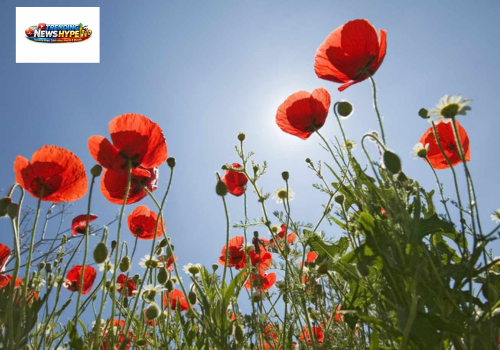
Marigolds and zinnias are not just decorative — they serve an important protective role in the vegetable garden. Marigolds release a natural compound from their roots called alpha-terthienyl, which repels root-knot nematodes that damage vegetable crops.
Planting a border of marigolds around tomatoes, peppers, and beans has been shown in multiple university studies to reduce nematode damage by up to 50%. These flowers add color, attract pollinators, and enhance the beauty of any garden.
Drought-Tolerant Flowers
If water is limited, consider growing:
- Portulaca (Moss Rose)
- Gaillardia
- Verbena
Portulaca is one of the most water-efficient flowering plants available to home gardeners. It stores water in its thick, succulent leaves and can survive on as little as one watering per week, even in peak summer heat. Gaillardia (blanket flower) attracts native bees and butterflies, supporting pollination of nearby vegetables.
Both plants perform best in poor, well-draining soil — adding too much compost or fertilizer actually reduces their bloom production. These flowers require minimal watering and perform well in dry conditions.
Low-Maintenance Summer Flowers
Beginners often prefer flowers that are easy to care for, such as:
- Marigolds
- Petunias
- Zinnias
These plants bloom consistently and require relatively little maintenance.
Quick Wins: Vegetables That Produce Within 6–8 Weeks
If you are new to gardening or want fast results, these vegetables are your best starting point. Radishes are the fastest option and can be ready to pick in as little as 22 days. Green beans (bush type) follow close behind at 50 to 55 days and need no staking or support.
Heat-tolerant lettuce varieties like Black Seeded Simpson can be harvested in 45 to 50 days using the cut-and-come-again method, which means you pick outer leaves and the plant keeps growing. Summer spinach and bush cucumbers both reach harvest stage within 6 to 8 weeks and grow well in containers, making them ideal for small spaces.
A useful beginner technique is intercropping — sowing radishes in the empty spaces between larger, slower-growing plants like cucumber or okra. Radishes mature so quickly that they are fully harvested before the main crop needs that space. This approach makes efficient use of every square centimetre of your garden without any extra cost or effort.
Essential Summer Gardening Tips
Proper care is essential for keeping plants healthy during hot weather.
Watering Plants in Summer
Effective watering practices include:
- Watering early in the morning
- Watering late in the evening
- Avoid watering during peak afternoon heat
- Providing deep watering to encourage strong root growth
Morning watering (before 9 AM) is the most efficient time because soil temperatures are cooler and evaporation rates are lowest. Research from irrigation studies shows that morning-watered plants absorb 30% more water than those watered midday.
Deep watering — applying enough water to soak the soil 15 to 20 cm deep — encourages roots to grow downward rather than sit near the surface, where they are vulnerable to heat stress and quick drying. Deep watering helps plants develop stronger root systems and improves drought resistance.
Choosing the Right Soil
Healthy soil is the foundation of a productive garden.
The ideal soil should:
- Retain adequate moisture
- Drain excess water effectively
- Contain plenty of organic matter
- Support healthy root development
A loamy soil with a pH between 6.0 and 7.0 is ideal for most summer vegetables. Sandy soils drain too fast and dry out quickly in summer heat — adding 5 to 8 cm of compost annually improves water retention significantly. Clay soils hold moisture well but can become waterlogged, so mixing in coarse sand and compost improves drainage.
A simple at-home test: take a handful of moist soil and squeeze it. Good garden soil holds its shape briefly but crumbles easily when pressed — neither too sticky nor too loose. Adding compost regularly improves soil structure and fertility.
Understanding Sunlight Requirements
Although many summer plants enjoy full sun, excessive heat can sometimes cause stress.
To protect sensitive plants:
- Provide partial shade during extreme heat
- Use shade cloths or shade nets
- Move container plants when necessary
Shade cloth rated at 30 to 40% is ideal for protecting heat-sensitive crops like lettuce, spinach, and herbs during afternoon temperatures above 35°C (95°F). Full sun vegetables like cucumbers and okra generally do not need shading unless temperatures exceed 40°C (104°F).
A helpful rule: if you feel uncomfortable standing in the midday sun, your leafy greens probably do too. Understanding the sunlight needs of each plant helps prevent heat damage.
Gardening in Hot Weather
Successful gardening during summer requires smart management practices.
Helpful strategies include:
- Applying mulch around plants
- Grouping plants with similar water needs
- Protecting plants from hot winds
- Monitoring soil moisture regularly
A 5 to 8 cm layer of organic mulch (straw, dried leaves, or wood chips) around plant bases can reduce soil temperature by up to 10°C (18°F) compared to bare soil. This is one of the single most effective steps a gardener can take during summer. Hot, dry winds cause rapid moisture loss from both soil and leaves — a condition called transpiration stress.
Windbreaks made from shade netting, bamboo, or tall companion plants like sunflowers can reduce wind speed around vulnerable crops by 50 to 70%. Mulch helps conserve water, suppress weeds, and keep roots cooler.
Efficient Irrigation Methods
Consistent watering promotes healthy growth and higher yields.
Drip irrigation is particularly effective because it:
- Conserves water
- Delivers moisture directly to roots
- Reduces evaporation
- Minimizes water waste
Drip irrigation systems use up to 50% less water than overhead sprinklers while delivering more consistent moisture directly to the root zone. For a small home garden, a basic drip kit costs as little as $20 to $40 and can be set up in an afternoon. If drip irrigation is not available, soaker hoses laid along plant rows achieve similar results.
For container gardens, self-watering pots with built-in reservoirs are an excellent low-maintenance option that prevents both overwatering and drought stress. Small gardens can also thrive with carefully timed hand watering.
Creative Summer Gardening Ideas
Even limited spaces can support productive gardens.
Consider these ideas:
- Create a balcony vegetable garden
- Grow herbs such as basil and mint
- Use vertical gardening systems
- Plant vegetables in containers
- Build raised garden beds
These approaches make gardening accessible regardless of available space.
Choosing the Right Plants for Your Climate
Not all plants perform equally well in every region. Selecting crops suited to local weather conditions significantly improves success rates.
When choosing plants for hot climates, prioritize:
- Heat tolerance
- Low water requirements
- Disease resistance
- Fast growth cycles
Climate-appropriate plants generally require less maintenance and produce better harvests.
Frequently Asked Questions
What are the easiest summer vegetables to grow?
Okra, cucumbers, green beans, and bottle gourds are among the easiest vegetables to grow during summer because they tolerate heat well and produce reliable harvests.
How often should plants be watered in summer?
Most plants benefit from deep watering early in the morning. The exact frequency depends on temperature, soil type, and plant variety, but checking soil moisture regularly is recommended.
Can vegetables grow successfully in containers?
Yes. Cucumbers, lettuce, beans, herbs, and many other vegetables grow well in containers when provided with sufficient sunlight, water, and nutrients.
What is the best mulch for summer gardens?
Organic mulches such as straw, dried leaves, grass clippings, and compost help retain moisture and regulate soil temperature.
Which flowers bloom best in hot weather?
Sunflowers, zinnias, marigolds, cosmos, and portulaca are excellent choices for summer gardens because they thrive in warm conditions.
Conclusion
Growing the best summer vegetables can transform any outdoor space into a productive and rewarding garden. Heat-loving crops such as okra, cucumbers, bottle gourds, and green beans thrive during the warmer months, while colorful flowers like marigolds and sunflowers add beauty and attract beneficial pollinators.
By following proper summer gardening practices, including efficient watering, soil improvement, mulching, and climate-appropriate plant selection, gardeners can enjoy healthy plants and abundant harvests throughout the season. Whether you are a beginner or an experienced grower, summer offers the perfect opportunity to cultivate fresh, nutritious produce and create a thriving garden.

Pingback: How to Start a HOUSE Garden: A Step-by-Step Guide - trendingnewshype.com