
Growing vegetables at home is one of the most practical and rewarding activities anyone can start, even without prior gardening experience. With the right approach, you can grow fresh, healthy produce in your backyard, balcony, or containers.
This guide explains easy vegetables to grow at home, essential tools, simple care techniques, and beginner-friendly steps to help you achieve successful harvests from day one. Read More: How to Start a HOUSE Garden.
Choosing the Right Location
Before planting anything, location is the most important factor in gardening success. Most vegetables need 6–8 hours of direct sunlight daily. Observe your space throughout the day to identify the sunniest areas. If you have limited sunlight, leafy vegetables like spinach and lettuce can still grow well in partial shade.
Understanding Soil Quality
Healthy plants start with healthy soil. Poor soil leads to weak growth and low yields.
For best results:
- Mix garden soil with compost for nutrients
- Use organic matter to improve fertility
- For beginners, containers or raised beds are ideal because they allow better soil control
A high-quality potting mix significantly improves success.
Top 5 Easy Vegetables to Grow at Home
These vegetables are perfect for beginners because they grow quickly and require minimal care.
Lettuce and Spinach
Fast-growing leafy greens that can be harvested multiple times using the cut-and-come-again method.
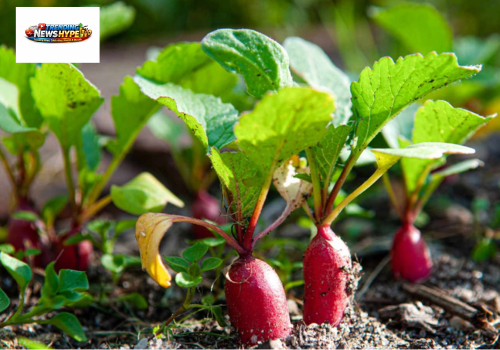
Radishes
One of the fastest vegetables to grow, ready in as little as 25–30 days. Ideal for beginners and children.
Zucchini (Courgette)
A high-yield vegetable that grows quickly in warm weather and produces abundantly.
Green Beans
Easy to grow and naturally improve soil by fixing nitrogen. They grow quickly and require minimal maintenance.
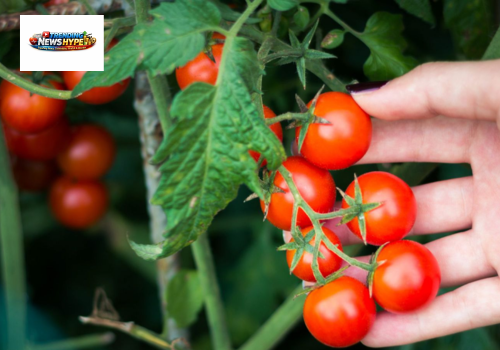
Cherry Tomatoes
Highly productive plants that can produce hundreds of small fruits with proper care and support.
Essential Gardening Tools
You do not need expensive equipment to start gardening. Basic tools include:
- Trowel for digging and planting
- Watering can or hose for gentle watering
- Pruning shears for trimming and harvesting the
- Gardening gloves for protection
Step-by-Step: From Seed to Harvest
Sowing Seeds
Follow seed packet instructions carefully. A general rule is to plant seeds twice as deep as their size. Small seeds like lettuce need light soil coverage, while beans require deeper planting.
Watering Properly
Watering mistakes are common among beginners.
Best practices:
- Water the soil, not the leaves
- Water early in the morning
- Check soil moisture before watering
- Use mulch to retain moisture
Organic Pest Control
Gardens naturally attract insects, but not all are harmful. Read More: Best Plants for Office Decoration
Common pests:
- Aphids can be removed with a water spray
- Slugs can be controlled with traps or barriers
- Caterpillars should be removed manually
Beneficial insects such as ladybugs and lacewings help control harmful pests naturally. Avoid chemical pesticides as they harm beneficial insects.
Harvesting Your Vegetables
Harvesting at the right time improves flavor and yield.
- Leafy greens should be harvested young and regularly
- Tomatoes should be picked when fully colored and slightly soft
- Zucchini is best harvested at 6–8 inches in length
Succession Planting
Instead of planting all seeds at once, sow new seeds every 1–2 weeks. This ensures a continuous supply of fresh vegetables throughout the growing season.
Benefits of Home Vegetable Gardening
- Provides fresh and chemical-free food
- Saves money
- Reduces stress
- Encourages physical activity
- Supports a sustainable lifestyle
Frequently Asked Questions
What are the easiest vegetables to grow at home?
Lettuce, spinach, radishes, cherry tomatoes, zucchini, and green beans are the easiest for beginners.
Can vegetables grow in containers?
Yes, most vegetables grow well in pots if they receive proper sunlight and good soil.
How much sunlight do vegetables need?
Most vegetables require 6–8 hours of direct sunlight daily.
How often should I water vegetable plants?
Water when the top inch of soil feels dry. Avoid overwatering.
What is the best season for vegetable gardening?
Spring and summer are generally the best seasons, depending on the crop.
Conclusion
Growing vegetables at home is more than just a hobby; it is a practical way to enjoy fresh, healthy, and chemical-free food right from your own space. Whether you have a large garden or just a few containers, success comes from choosing the right plants, understanding their basic needs, and caring for them consistently.
Even small efforts can lead to meaningful results over time. As you gain experience, your confidence will grow along with your garden. Start simple, stay patient, and focus on learning from each planting season. The reward is not only fresh vegetables but also the satisfaction of growing something with your own hands.


Pingback: Benefits of Indoor Plants for Home and Office - trendingnewshype.com