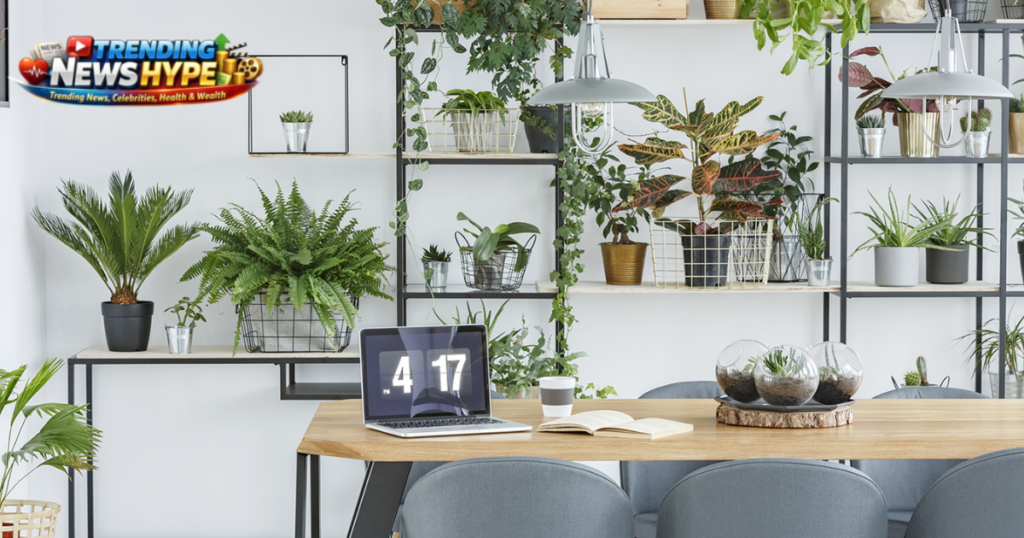
Many people focus on furniture, lighting, and colours when decorating their homes, but often overlook one important element that can completely change the atmosphere of a space—plants.
Cultures believed that bringing balance, harmony, and positive energy into the home. Even beyond beliefs, they improve air quality, enhance mood, and make living spaces more refreshing and natural.
In this guide, we explore the most popular lucky plants for home decoration, their meanings, benefits, and the best ways to place them for a more peaceful and beautiful home environment. Read More: The Ultimate Guide to Growing Easy Vegetables at Home.
Benefits of Lucky Plants for Home Decoration
Lucky plants are not just decorative items. They offer several practical and emotional benefits:
- Improve indoor air quality by absorbing toxins
- Create a calming and peaceful environment
- Enhance the beauty of interior spaces
- Bring a sense of freshness and natural balance
- In traditional belief, attracting prosperity and positive energy
Whether or not you believe in luck, these plants earn their place in any home through real, everyday benefits — cleaner air, calmer spaces, and a touch of natural beauty . In simple words, lucky plants make your home look better and feel more peaceful at the same time.
Most Popular Lucky Plants for Home Decoration
Lucky Bamboo
In feng shui and many East Asian traditions, Lucky Bamboo is widely associated with good fortune and prosperity — the number of stalks is said to carry different meanings, with three stalks commonly representing happiness, wealth, and long life. Whether or not you follow those traditions, it remains one of the most low-maintenance and visually elegant plants you can keep indoors.
Care tips: Lucky Bamboo grows well in both soil and water. If growing in water, change it every two weeks and keep it away from direct sunlight to prevent algae. It thrives in indirect light and does well in most room temperatures.
People often place it on tables, shelves, or near the entrance of the home.
Money Plant
The Money Plant is commonly associated with prosperity and financial growth in many Asian cultures, which is how it earned its popular name. Its heart-shaped green leaves and fast-trailing growth make it a genuine favourite for home decoration regardless of any belief system.
Care tips: It grows well in pots or hanging baskets in indirect sunlight. Water it moderately — allow the top layer of soil to dry out between waterings. It is one of the most forgiving houseplants and recovers well from neglect. Many people place it near windows or doorways for good light exposure.
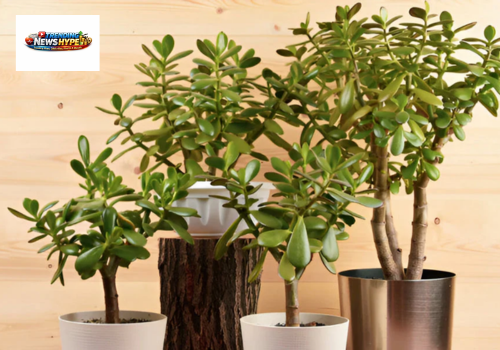
Jade Plant
In several cultures, the Jade Plant is referred to as the “money tree” and is considered a symbol of wealth and good luck — its thick, coin-shaped leaves are said to resemble small coins. Practically speaking, it is one of the most long-lived and easy-care succulents you can grow indoors, often lasting decades with minimal attention.
Care tips: Jade Plants need bright, indirect light and very little water — overwatering is the most common way to kill them. Allow the soil to dry completely between waterings. They do well on desks, windowsills, living rooms, or entrance areas.
Peace Lily
The Peace Lily is valued in many traditions for representing peace, purity, and emotional balance. Its elegant white flowers and deep green leaves make it genuinely one of the most attractive indoor plants available. It also happens to be one of the few flowering plants that thrives in low-light conditions.
Care tips: Keep it away from direct sunlight, which can scorch the leaves. Water it once a week and mist the leaves occasionally. It is especially well-suited to bedrooms and living rooms, where it also helps purify indoor air by filtering common household toxins.
Tulsi (Holy Basil)
Tulsi holds deep cultural and spiritual significance in South Asian homes, where it is traditionally considered a sacred and protective plant. Beyond its spiritual role, it is a genuinely useful herb with well-documented medicinal properties — its leaves are used in teas, home remedies, and cooking across the region.
Care tips: Tulsi needs direct sunlight to thrive — at least four to six hours a day. Water it regularly, but ensure the pot drains well to avoid root rot. It grows best on balconies or near sunny windows. Pinch off flower buds regularly to encourage fuller, bushier growth.
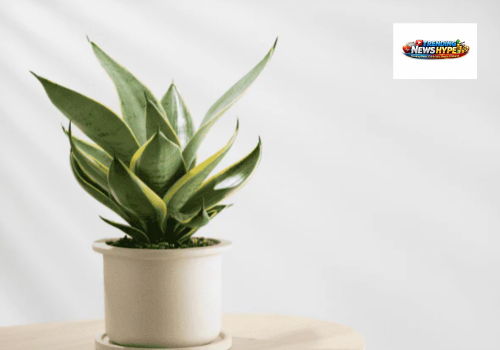
Snake Plant
Many people believe the Snake Plant helps protect the home from negative energy, and in feng shui, it is sometimes placed near entrances for this reason. Whether or not that resonates, it is genuinely one of the hardiest and most practical indoor plants available — it tolerates neglect, low light, and irregular watering better than almost any other houseplant.
Care tips: Water it only once every two to three weeks, and even less in winter. It tolerates low light but grows faster with indirect sunlight. It is an excellent choice for bedrooms, offices, and areas with limited natural light, and it actively filters airborne toxins overnight.
Orchids
Orchids are associated with beauty, luxury, and love in many cultures, and they add an unmistakably premium look to any interior. They are often used in living rooms or dining areas for their visual impact. The good news is that they are easier to care for than their reputation suggests.
Care tips: Place orchids in bright, indirect light and water them about once a week by letting water run through the pot and drain completely — never let them sit in standing water. They prefer humidity and do well in bathrooms or kitchens with natural light. After flowering, cut the spike just above a node to encourage re-blooming.
How to Choose the Right Lucky Plant for Your Space
Not every plant suits every home. Before picking one, consider a few practical factors:
Light availability: If your home gets limited natural light, go with a Snake Plant or Peace Lily — both handle low-light conditions well. If you have a bright, sunny balcony or windowsill, Tulsi and Jade Plant will thrive there.
How much time can you give it? If you travel frequently or tend to forget watering, choose low-maintenance options like the Snake Plant, Jade Plant, or Lucky Bamboo in water. If you enjoy regular tending, Tulsi and Orchids reward attentive care.
Space size: For small apartments or desks, compact plants like Lucky Bamboo, Jade Plant, or a single Orchid work best. For larger rooms or balconies, Money Plant in a hanging basket or a fuller Peace Lily adds more visual impact.
Who lives in the home: Some plants, including Peace Lily and certain Orchid varieties, can be mildly toxic to pets and young children if ingested. If you have animals or toddlers, check toxicity before buying and keep such plants out of reach.
Matching the plant to your actual living conditions is the single most important step — a well-chosen plant kept in the right spot will always outlast and outperform one that was picked purely for looks.
Best Places to Keep Lucky Plants in Your Home
Placement plays an important role in maximising the benefits of indoor plants:
- Near the entrance to welcome positive energy
- In the living room for freshness and beauty
- In bedrooms (Peace Lily or Snake Plant) for calmness
- Near windows for natural sunlight exposure
- Avoid placing plants in dark, damp corners
Proper placement not only enhances beauty but also improves the overall energy of the home. Read More: How to Start a HOUSE Garden
Lucky Plant Care Tips
To keep your plants healthy and effective:
- Water them regularly, but avoid overwatering
- Ensure they receive adequate sunlight
- Remove dry or dead leaves frequently
- Use well-draining pots
- Clean leaves occasionally to maintain freshness
Healthy plants always create a more positive and vibrant environment.
Common Problems and How to Fix Them
Even easy-care plants run into trouble occasionally. Here are the most frequent issues and straightforward fixes:
Yellow leaves: Usually a sign of overwatering or poor drainage. Let the soil dry out fully before the next watering, and check that the pot has drainage holes. For Lucky Bamboo in water, yellow stalks often mean too much direct sunlight or fluoride in tap water — switch to filtered or rainwater.
Drooping or wilting: Can mean underwatering, but also overwatering in some plants. Check the soil first — if it is bone dry, water thoroughly; if it is soggy, hold off and improve drainage.
Brown leaf tips: Often caused by low humidity, especially in air-conditioned rooms. Mist leaves occasionally,y or place a small tray of water near the plant to raise ambient moisture. For Snake Plants, brown tips can also indicate inconsistent watering.
Leggy, stretched growth: A sign the plant is reaching for light. Move it closer to a natural light source or supplement with a small grow light. This is especially common with Money Plants and Peace Lilies kept in dim corners.
Root rot: Caused by consistently wet soil with no drainage. Remove the plant, trim any black or mushy roots, let them air dry briefly, then repot in fresh, well-draining soil. Prevention — through proper watering and drainage — is far easier than treatment.
Catching these signs early almost always means a full recovery. Check your plants briefly once a week, and you will rarely face anything more serious than a yellow leaf.
Plants to Avoid Indoors
While most plants are beneficial, some may not be ideal for indoor decoration:
- Highly thorny plants like cactus (in large quantities)
- Plants that require excessive maintenance indoors
- Artificial plants (lack natural energy and air benefits)
Choosing the right plant is just as important as maintaining it properly.
Lucky Plants as Gifts — What to Know
In many cultures, gifting a plant carries as much meaning as the plant itself. Lucky Bamboo is one of the most popular gift choices across East and South Asia, often given at housewarmings, weddings, and the Lunar New Year. A Jade Plant is a traditional gift for new businesses or new homes in several cultures, symbolising a wish for the recipient’s prosperity. Tulsi is commonly gifted within South Asian families as a gesture of blessing and care.
Even outside cultural traditions, plants make thoughtful and lasting gifts — they outlive flowers, require engagement, and add genuine life to a space. A few things to keep in mind when gifting:
Match the plant to the recipient’s lifestyle. A frequent traveller will appreciate a Snake Plant or Jade Plant far more than an Orchid that needs weekly attention.
Include a simple care card. Most plants fail in new hands, not from bad intentions but from lack of basic information. A small handwritten note with watering frequency and light needs makes a real difference.
Consider the pot as part of the gift. A well-chosen pot elevates even a simple plant into something that feels considered and personal.
Gifting a plant is, in a quiet way, gifting something alive — and that always carries meaning regardless of any belief in luck.
Conclusion
Lucky plants are a perfect combination of beauty, nature, and positive living. They not only enhance the appearance of your home but also create a more peaceful and refreshing environment.
Across many cultures, plants like Lucky Bamboo and Jade Plant are associated with prosperity and good fortune, while Peace Lily and Snake Plant are valued for improving air quality and promoting relaxation. Tulsi adds cultural and spiritual significance rooted in centuries of tradition.
These associations are part of what makes these plants meaningful to so many people, but even setting beliefs aside entirely, each of these plants earns its place through practical, everyday value.
By selecting the right plants and taking proper care of them, you can transform your home into a calm, beautiful, and naturally balanced living space.
Frequently Asked Questions (FAQs)
1. Which lucky plant is best for attracting wealth and prosperity?
Many people believe that the Money Plant, Lucky Bamboo, and Jade Plant symbolise wealth, prosperity, and financial success. While these beliefs are rooted in tradition, these plants are also popular because they are easy to care for and add natural beauty to indoor spaces.
2. Where should I place lucky plants in my home?
Lucky plants are commonly placed near the entrance, in the living room, or close to windows where they can receive indirect sunlight. Plants like Peace Lily and Snake Plant are also excellent choices for bedrooms due to their calming appearance and air-purifying qualities.
3. Do lucky plants really improve indoor air quality?
Yes. Several popular lucky plants, including Snake Plant, Peace Lily, and Tulsi, can help improve indoor air quality by filtering certain airborne pollutants and increasing the overall freshness of your living space. However, they should be viewed as a complement to proper ventilation, not a replacement.
4. Which lucky plant is easiest to maintain for beginners?
Lucky Bamboo, Money Plant, Snake Plant, and Jade Plant are among the easiest indoor plants to grow. They require minimal maintenance, tolerate a range of indoor conditions, and need only occasional watering and basic care to stay healthy.