
Red flowers have a unique ability to completely transform indoor spaces. Their bold color creates warmth, energy, and a striking focal point that no other shade can easily match. Even a simple room can feel vibrant and elegant when decorated with the right flowering houseplants.
Indoor House Plants with Red Flowers are becoming increasingly popular in modern homes because they combine natural beauty with easy maintenance. Whether you want a dramatic centerpiece or a soft decorative touch across different rooms, these plants bring life and color throughout the year.
In this guide, we explore 12 of the most beautiful red flowering indoor house plants for 2026, along with simple care instructions and placement ideas to help them thrive. Read More: Best Indoor Plants for Air Quality: Natural Ways to Improve Your Home Environment
1. Anthurium (Flamingo Flower)
Anthurium is one of the most elegant indoor plants with red flowers. Its glossy, heart-shaped blooms and deep green leaves make it a favorite for modern interiors.
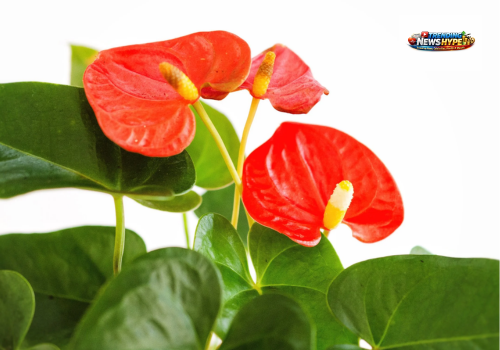
Care Tips:
- Light: Bright, indirect sunlight
- Water: Keep the soil slightly moist
- Humidity: Prefers higher humidity
- Bonus: Can bloom almost all year
Bloom Season: Blooms nearly continuously when conditions are right, with individual flowers (technically the spadix and colorful spathe) lasting six to eight weeks before fading.
Watering Frequency: Roughly once a week, allowing the top inch of soil to dry slightly between waterings — Anthuriums are epiphytes in the wild, so their roots dislike sitting in soggy soil.
Honest Care Challenge: Anthuriums are fussy about humidity. In dry, heated homes during winter, leaf tips can brown, and flowering slows unless you run a humidifier or set the pot on a pebble tray.
Best placed in living rooms, office desks, or as a gift plant.
2. Amaryllis
Amaryllis is known for its large, trumpet-shaped red flowers that create a dramatic visual impact, especially during winter.
Care Tips:
- Light: Bright light
- Water: Only when the soil becomes dry
- Bloom Season: Winter
- Light Needs: Bright, direct light for at least a few hours a day — bulbs planted in low light produce tall, floppy stalks that need staking.
- Watering Frequency: Sparingly until the flower stalk appears, then about once a week; overwatering the bulb before growth starts is the most common way to rot it.
- Honest Care Challenge: Amaryllis is a one-shot bloomer. After flowering, the plant needs months of leaf growth and a forced dormancy period to rebloom next winter, which takes patience that many gardeners don’t have — most treat it as a seasonal gift plant instead.
Perfect for festive indoor decoration.
3. Begonia
Begonias offer both attractive foliage and small red flowers, making them ideal decorative indoor plants.
Care Tips:
- Light: Indirect sunlight
- Water: Keep soil moist but not soggy
- Placement: Hanging baskets or shelves
Bloom Season: Many flowering begonias bloom on and off throughout spring, summer, and into fall, with some varieties flowering nearly year-round indoors.
Watering Frequency: Every five to seven days, watering at the base rather than overhead — wet foliage invites powdery mildew.
Honest Care Challenge: Begonias are prone to fungal issues like powdery mildew and botrytis if air circulation is poor, so a spot with gentle airflow matters as much as light or water.
4. Bromeliad
Bromeliads bring a tropical feel indoors with their unique red flower spikes and bold appearance.
Care Tips:
- Light: Bright, indirect light
- Water: Fill central rosette, not soil only
- Maintenance: Low
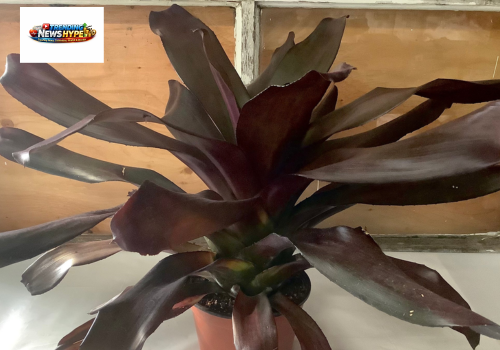
Bloom Season: The colorful red bract can last several months, sometimes up to half a year, but it is the plant’s only bloom — each rosette flowers just once in its lifetime.
Watering Frequency: Refresh the water in the central cup every one to two weeks rather than soaking the soil, which should stay only lightly moist.
Honest Care Challenge: Once the bloom fades, the mother plant slowly dies back. New “pups” grow at the base and can be separated and repotted, but the showy flower itself isn’t repeatable on the same rosette.
5. Christmas Cactus
This plant is famous for blooming during the holiday season, producing beautiful red flowers. Read More: Best indoor plants for the bedroom.
Care Tips:
- Light: Filtered light
- Water: Allow the soil to dry between waterings
- Bloom Time: Late fall to winter
Light Needs: Bright but indirect light most of the year; flower buds are triggered by shorter days and cooler nights in autumn, so consistent light exposure earlier in the year matters for a good holiday show.
Watering Frequency: Every one to two weeks, letting the segmented leaves go slightly soft before watering again — these are succulent-type stems that store water.
Honest Care Challenge: Bud drop is the classic complaint. Sudden temperature swings, drafts near doors or heating vents, or moving the plant while it’s budding can cause flower buds to fall off before they ever open.
6. Cyclamen
Cyclamen is a compact indoor plant with delicate red flowers and heart-shaped leaves, perfect for small spaces.
Care the theeps:
- Light: Bright, indirect light
- Temperature: Prefers cool environments
- Water: Keep the soil lightly moist
Bloom Season: Fall through spring, with flowering tapering off and the plant going dormant over summer.
Watering Frequency: Every seven to ten days, watering from the bottom by setting the pot in a tray of water for 15–20 minutes — water poured over the tuber crown encourages rot.
Honest Care Challenge: Cyclamen genuinely dislikes warm rooms. Anything much above 68°F (20°C) shortens bloom time and can push the plant into early, unwanted dormancy, which makes it a tricky fit for centrally heated homes.
7. Indoor Hibiscus
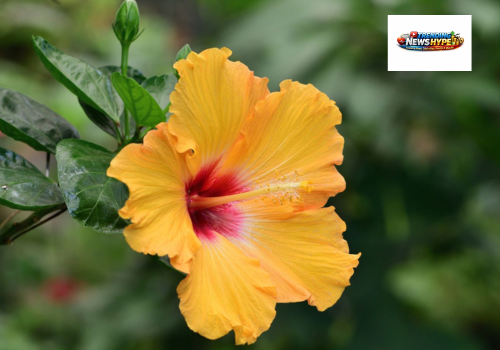
Indoor hibiscus produces large, vibrant red flowers that give any room a tropical feel.
Care Tips:
- Light: Full bright sunlight
- Water: Regular watering
- Placement: Near sunny windows
Bloom Season: Can flower continuously from spring through fall when given enough light and warmth, slowing down in winter.
Watering Frequency: Every two to three days in active growth, since hibiscus is thirsty and dries out quickly in a sunny spot; cut back in winter.
Honest Care Challenge: Each individual hibiscus flower only lasts a single day before wilting. The plant compensates by producing many buds, but it means the dramatic blooms you see are constantly being replaced, not preserved.
8. Kalanchoe
Kalanchoe is a low-maintenance succulent that produces clusters of small red flowers, ideal for beginners.
Care Tips:
- Light: Bright sunlight
- Water: Minimal watering required
- Bonus: Very easy to grow
Bloom Season: Typically blooms in winter and early spring, lasting several weeks to a couple of months per flush.
Watering Frequency: Every two to three weeks, letting the soil dry out completely between waterings — as a succulent, it’s far more tolerant of neglect than overwatering.
Honest Care Challenge: Kalanchoe is a “short-day” plant, meaning it needs roughly six weeks of long, uninterrupted nights to set new flower buds. Without that dark period, it’s easy to get a healthy plant that simply won’t rebloom.
9. Poinsettia
Poinsettia is a popular seasonal plant known for its brighthe the t red bracts during the winter holidays.
Care Tips:
- Light: Indirect light
- Water: When the topsoil becomes dry
- Important: Avoid cold drafts
Bloom Season: Bracts color up and remain showy from roughly late November through January or February under good care.
Watering Frequency: Every four to seven days, only once the top inch of soil feels dry; poinsettias are sensitive to both drought stress and waterlogged roots.
Honest Care Challenge: Like kalanchoe, poinsettias need an extended period of darkness (around 12+ hours nightly for eight to ten weeks) to redevelop their colorful bracts, which is why reblooming one the following year rarely matches its first-season display.
10. Lipstick Plant
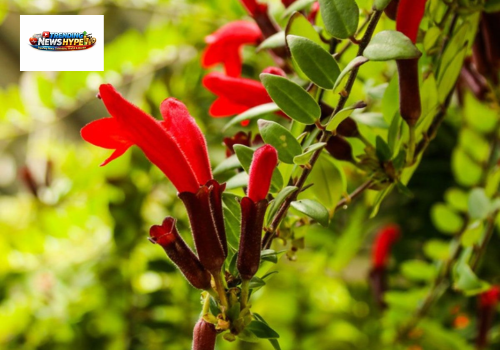
The lipstick plant gets its name from its tube-shaped red flowers that resemble lipstick tubes. Read About the Best Bio Gas Plant For Home 2026
Care Tips:
- Light: Bright, indirect light
- Water: Moderate watering
- Ideal Use: Hanging baskets
Bloom Season: Can flower in flushes throughout spring and summer, and sometimes again in fall with enough light.
Watering Frequency: Every seven to ten days, allowing the top of the soil to dry slightly — it’s epiphytic by nature and doesn’t like constantly wet roots.
Honest Care Challenge: Lipstick plant won’t set new flower buds without a genuine winter rest period of cooler temperatures and reduced watering; kept warm and well-fed year-round, it often grows lush vines with very few blooms.
11. African Violet (Red Varieties)
African violets are compact plants that can produce red flowers multiple times a year under proper care.
Care Tips:
- Light: Indirect light
- Water: Bottom watering recommended
- Bloom: Can flower year-round
Bloom Season: Under steady light and warmth, healthy African violets can flower almost continuously, with brief rest periods between flushes.
Watering Frequency: Every seven days, bottom-watered with room-temperature water — cold water or wet leaves cause unsightly brown spotting on the foliage.
Honest Care Challenge: African violets are very particular about consistency. Irregular light, temperature swings, or water splashed on the fuzzy leaves can stall flowering for months, even when the plant otherwise looks healthy.
12. Desert Rose (Adenium)
Desert rose is a unique succulent plant with a thick trunk and striking red flowers.
Care Tips:
- Light: Full sunlight
- Water: Minimal watering
- Soil: Well-draining soil
Bloom Season: Flowers most heavily in late spring and summer, often slowing or stopping entirely during its winter dormancy.
Watering Frequency: Every two to three weeks in summer, dropping to almost no water in winter when the plant may drop its leaves and rest.
Honest Care Challenge: Desert rose is genuinely toxic if ingested — the sap contains cardiac glycosides — so it needs a thoughtful spot in homes with curious pets or small children, despite being otherwise low-maintenance.
13. Geranium (Pelargonium)
Geraniums are old-fashioned favorites that produce dense clusters of red flowers above scalloped, often fragrant leaves, and they adapt well to bright windowsills.
Light Needs: At least four to six hours of direct or very bright light daily; indoor geraniums grown in dim corners get leggy and stop flowering.
Watering Frequency: Every seven to ten days, letting the soil dry out between waterings — geraniums are more prone to rot from overwatering than from underwatering.
Bloom Season: With enough light, geraniums can flower from spring through fall and sometimes into winter indoors.
Honest Care Challenge: Indoor geraniums often get lanky and sparse over a single winter due to lower light levels. Regular pinching back and a genuinely bright south-facing window are needed to keep the habit compact and floriferous.
14. Flowering Crown of Thorns (Euphorbia milii)
Crown of thorns is a thorny, drought-tolerant succulent shrub that produces small but vivid red flower clusters almost continuously when it gets enough sun.
Light Needs: Full sun to very bright indirect light; a south-facing window is ideal, since insufficient light is the top reason it fails to flower indoors.
Watering Frequency: Every two to three weeks, allowing the soil to dry out fully — it stores water in its stems and is highly tolerant of being under-watered but not of soggy roots.
Bloom Season: Can bloom on and off throughout the year indoors, given strong light, with the heaviest flowering typically in spring and summer.
Honest Care Challenge: True to its name, the stems are lined with sharp thorns, making repotting and pruning genuinely hazardous without gloves — and like desert rose, its sap is toxic and irritating to skin and eyes.
15. Red Star Cluster (Pentas lanceolata)
Pentas, sometimes called Egyptian star cluster, produces flat-topped clusters of small, star-shaped red flowers and is a favorite for bringing pollinator-garden color indoors.
Light Needs: Bright light for at least four to six hours a day; a sunny windowsill keeps the star-shaped clusters forming steadily.
Watering Frequency: Every five to seven days, keeping the soil evenly moist but never waterlogged.
Bloom Season: Flowers prolifically from spring through fall, and can continue intermittently through winter indoors with enough light.
Honest Care Challenge: Pentas is naturally a garden perennial in warm climates, so indoors it tends to get straggly without regular pinching and benefits from being moved outside in summer if possible — a fully indoor life cuts into how vigorously it blooms.
General Care Tips for Red Flowering Indoor Plants
Light Requirements: Most flowering indoor plants require bright but indirect sunlight for healthy blooming.
Watering: Avoid overwatering. Always check soil moisture before watering to prevent root rot.
Temperature: The ideal temperature range is 18°C to 24°C (65°F to 75°F) for optimal growth.
Humidity: Plants like Anthurium and Begonia thrive in higher humidity levels, making bathrooms or kitchens suitable pots
Why Choose Red Flowering Indoor Plants?
- They instantly enhance home décor.
- They create a warm and inviting atmosphere
- They improve mood and reduce stress
- Some varieties help improve indoor air quality
- They work well in both modern and traditional interiors
Red flowering plants are especially effective in living rooms, bedrooms, and office spaces where visual appeal matters.
Conclusion
Red flowering indoor house plants are more than just decorative items—they bring energy, beauty, and natural life into your home. From the elegant Anthurium to the bold Hibiscus and beginner-friendly Kalanchoe, there is a perfect plant for every home and experience level.
With proper care and the right environment, these plants can provide stunning blooms throughout the year, making them one of the best choices for indoor gardening in 2026.
FAQs
1. Which red flowering indoor plant is easiest to grow?
Kalanchoe is one of the easiest red flowering indoor plants to grow because it requires very little watering and minimal maintenance. It thrives in bright, indirect light and can tolerate short periods of dry soil. With proper care, it produces vibrant blooms that can last for several weeks, making it an excellent choice for beginners.
2. Which indoor plant blooms all year?
Anthurium and African Violet are among the best indoor plants for repeated blooming throughout the year. When provided with adequate light, proper watering, and occasional feeding, they can produce flowers several times annually. Regular removal of faded blooms also encourages healthy growth and continuous flowering.
3. Do red flowering plants need direct sunlight?
Most red flowering indoor plants grow best in bright, indirect sunlight rather than intense direct sun. Too much direct sunlight can scorch their leaves and fade the flowers, while too little light may reduce blooming. Placing them near a bright window with filtered light usually provides the ideal growing conditions.


Pingback: 7 Tested Indoor House Plants for Fish Tanks That Work
Pingback: Common Plant Diseases and How to Treat Them - trendingnewshype.com