
Rising cooking gas prices and increasing environmental concerns are encouraging more households to explore sustainable energy alternatives. One of the most practical solutions today is the home biogas plant, a system that converts kitchen and organic waste into clean, usable cooking gas.
A home biogas plant not only reduces monthly energy costs but also helps manage household waste in an eco-friendly way. It supports a cleaner environment while producing renewable energy right at home.
In this guide, you will learn how biogas plants work, the best types available in 2026, and how they can help reduce cooking gas expenses by up to 50%. Read More: Best Indoor House Plants for Fish Tanks in 2026
How a Home Biogas Plant Works
A biogas plant works on a natural process called anaerobic digestion, where organic waste is broken down by bacteria in the absence of oxygen. This process produces biogas, mainly consisting of methane and carbon dioxide.
Step-by-Step Process
1. Collection of Waste: Common inputs include kitchen waste, animal dung, and agricultural residue.
2. Mixing Process: Organic waste is mixed with water to form a slurry.
3. Digestion Process: The slurry is stored in an airtight digester where bacteria break it down.
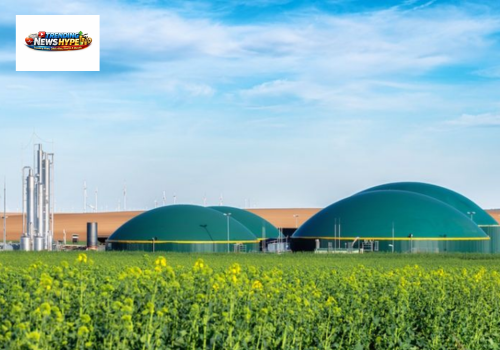
4. Gas Production: The decomposition process produces biogas, mainly methane.
5. Gas Storage: Gas collects in the upper chamber and is stored for use.
6. Gas Usage: Biogas is used for cooking, lighting, and small-scale electricity generation.
7. Fertilizer Output: The leftover slurry becomes a nutrient-rich organic fertilizer.
Benefits of a Home Biogas Plant
A home biogas plant offers multiple environmental and financial benefits:
- Reduces cooking gas expenses significantly
- Converts household waste into useful energy
- Helps reduce environmental pollution
- Produces organic fertilizer for plants
- Supports sustainable living practices
How much can it actually save?
Real-world figures vary by digester size and feedstock, but a few documented data points give a realistic picture:
- A small 1–2 m³ household digester running on cow dung and kitchen waste can typically supply about 4–5 hours of cooking gas per day and can replace roughly 1–2 LPG cylinders per month for an average household.
- In a techno-economic case study of food-waste-fed digesters, biogas was found to replace about 28.6% of the LPG otherwise used for cooking in that case.
- Some commercial kitchens using waste-fed biogas systems have reported a 20–30% reduction in LPG consumption during peak usage periods.
These ranges are well short of a flat “50% savings” figure, and actual results depend heavily on digester size, feedstock volume and type, climate, and how consistently the system is fed.
How Much Does a Home Biogas Plant Cost?
Cost is one of the biggest factors in whether a home biogas plant makes financial sense, and it varies a lot by country, plant type, and size. In India, where household biogas adoption is most widespread, a small domestic plant (roughly 1–4 m³) typically costs between ₹10,000 and ₹60,000 before any subsidy, depending on the design and materials used.
Government support narrows that further: under the Ministry of New and Renewable Energy’s National Bioenergy Programme, small biogas plants in the 1–25 m³ range qualify for Central Financial Assistance of roughly ₹9,800 to ₹70,400 per plant, depending on size, with an additional 20% subsidy available for Scheduled Caste/Scheduled Tribe households, hilly regions, and the North Eastern states.
A separate scheme, GOBAR-Dhan, offers around ₹37,000 per household unit specifically for converting cattle dung and organic waste into energy and manure.
Earlier academic research on subsidized household digesters in Odisha similarly found that subsidy rates for the smallest 1 m³ systems ranged from about 32% to 41% of total installation cost, depending on the beneficiary’s category, and that the digesters could be profitable for households even without a subsidy, though profitability improved meaningfully with one.
Types of Home Biogas Plants in 2026
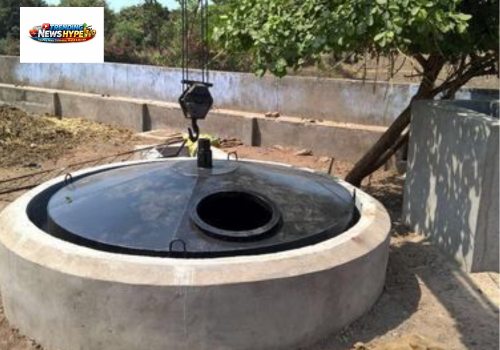
1. Fixed Dome Biogas Plant
A fixed dome biogas plant is made of brick or concrete and is installed underground for stable temperature control.
Features:
- Long lifespan (15–20 years)
- Low maintenance cost
- Strong and durable structure
- Suitable for rural households
2. Floating Drum Biogas Plant
This system uses a movable gas drum that rises and falls based on gas production.
Features:
- Provides consistent gas pressure
- Easy to monitor gas levels
- Suitable for small to medium households
- Requires periodic maintenance
3. Prefabricated (Portable) Biogas Plant
These are modern, factory-made systems made from plastic or fiber materials.
Features:
- Quick installation
- Compact and space-saving design
- Low maintenance requirements
- Ideal for urban homes
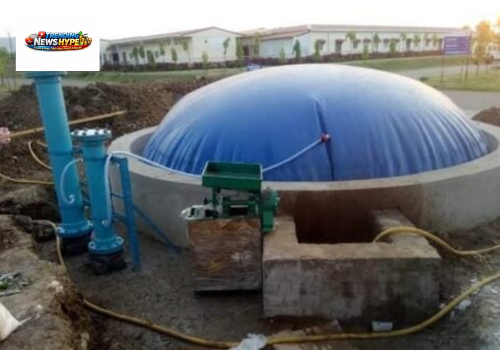
4. Balloon / Flexi Biogas Plant
A balloon biogas plant is a low-cost and portable option made from flexible rubber or plastic materials.
Features:
- Affordable setup cost
- Easy installation and portability
- Suitable for temporary use
- Works well for small households
Maintenance and Common Operating Issues
Temperature
matters more than most people expect. The bacteria that produce methane are sensitive to temperature swings, and on an industrial scale, losing just a few degrees of digester temperature can measurably reduce methane output within a day or two.
Low maintenance
A home biogas plant is low-maintenance compared to many other home energy systems, but “low-maintenance” does not mean “no maintenance.” The anaerobic digestion process depends on a stable internal environment, and several variables are worth understanding before you commit to a system.
Underground fixed dome designs help here because soil insulates against daily temperature swings better than above-ground tanks, which is part of why they remain popular in regions with cold winters or hot summers.
pH balance affects gas quality and output.
The ideal range for healthy methane-producing bacteria is generally cited as roughly pH 6.5 to 7.5. Outside that range, microbial activity slows and gas production drops. Home users typically won’t need lab equipment to manage this; consistent feeding with a sensible mix of waste types and avoiding sudden dumps of acidic material goes a long way toward keeping the system stable.
Feedstock consistency is more important than feedstock quantity.
Digesters respond poorly to irregular feeding, where the system goes through cycles of being overloaded and then underfed. Operators are generally advised to feed the digester at a steady, predictable rate rather than in large, irregular batches, since sudden organic overloading is one of the more common causes of reduced gas output or a stalled digester.
Watch the flame color, not just the gas volume.
A simple and commonly cited diagnostic for households is the color of the burner flame: a clean blue flame indicates a healthy ratio of methane to carbon dioxide, while a yellow or orange flame can indicate rising carbon dioxide content and a digestion process that needs attention.
Environmental Impact: What the Data Actually Shows
Beyond the fuel-cost angle, home biogas plants are often promoted for their environmental benefits, and there is real research behind several of these claims, though the scale varies by region and feedstock.
On the fuelwood side,
A study of biogas adoption in southern Ethiopia found that the average household digester saved roughly 1,423 kilograms of fuelwood annually, with an associated emissions reduction of about 2.1 tonnes of CO₂-equivalent per plant per year; scaled across all the functioning plants surveyed, that added up to an estimated 91.6 tonnes of carbon emissions avoided annually in the study area.
Separate figures cited for a larger national biogas program estimate that each plant can save up to four tonnes of fuelwood per year, with annual CO₂ savings in the tens of thousands of tonnes once aggregated across a large plant fleet, depending on whether the fuelwood being displaced was harvested sustainably or not.
There’s also a public health dimension that’s easy to overlook. Traditional biomass cooking, especially over open three-stone fires, has very low thermal efficiency, commonly cited at around 3%, compared to roughly 35–50% for LPG or biogas stoves.
That efficiency gap is part of why indoor air pollution from biomass cooking remains a major contributor to respiratory illness in low-income households, and why international development organizations continue to classify biogas, alongside LPG and electricity, as a “clean cooking” fuel category under the UN’s Sustainable Development Goals framework.
At a household level,
The slurry byproduct adds a secondary environmental benefit that’s sometimes underweighted in marketing material: it functions as a nutrient-rich organic fertilizer that can reduce a household’s reliance on synthetic fertilizer, which carries its own environmental footprint in terms of manufacturing emissions and runoff.
None of this means biogas is environmentally free. Biogas combustion still produces carbon dioxide, and poorly sealed systems can leak methane, which is a far more potent greenhouse gas than CO₂ over a short time horizon. The net environmental benefit comes specifically from displacing a dirtier fuel source (firewood, dung cakes, or kerosene) rather than from biogas being inherently emissions-free, so the actual benefit to any individual household depends heavily on what fuel it’s replacing.
Best Home Biogas Plant Companies (Global Overview)
Leading International Companies
- EnviTec Biogas (Germany) – Known for large-scale systems
- PlanET Biogas (Germany) – Modular agricultural systems
- WELTEC BIOPOWER (Germany) – Stainless steel digesters
- Hitachi Zosen Inova (Switzerland/Japan) – Waste-to-energy systems
- Wärtsilä (Finland) – Integrated renewable energy solutions. Read More 12 Stunning Indoor House Plants with Red Flowers
United States Market Leaders
- DVO, Inc. – Agricultural biogas systems
- Ameresco – Renewable energy projects
- Greenlane Renewables – Biogas upgrading technology
United Kingdom Leaders
- Future Biogas – Biomethane production
- Marches Biogas – On-farm AD systems
- HoSt Bioenergy – Waste-to-energy solutions
India-Based Companies
- Organic Recycling Systems Ltd (ORS) – Waste-to-energy solutions
- Green Elephant Engineering – Bio-CNG systems
- Primove Engineering – Turnkey biogas projects
- Bharat Biogas Energy – Renewable fuel systems
Important Factors Before Choosing a Biogas Plant
- Available installation space
- Daily organic waste volume
- Budget and maintenance ability
- Required gas output
- Local climate conditions
Common Mistakes to Avoid
- Adding non-organic waste into the system
- Poor slurry mixing ratio
- Ignoring maintenance schedules
- Using low-quality materials
Final Thoughts
A home biogas plant is one of the most effective solutions for reducing household energy costs while promoting sustainable living. With rising fuel prices, these systems provide a practical way to generate clean energy directly from kitchen waste.
Whether you choose a fixed dome system or a portable modern design, biogas technology offers long-term financial savings and environmental benefits.
FAQs
1. How much gas can a home biogas plant produce?
It depends on waste input, but a small system can support daily cooking needs for a family.
2. Is biogas safe for home use?
Yes, biogas is safe when properly installed and maintained.
3. What waste can be used in a biogas plant?
Kitchen waste, animal dung, and agricultural residues are commonly used.
4. Does a biogas plant require electricity?
No, most home biogas systems operate without electricity.
5. How long does a biogas plant last?
Depending on the type, it can last between 10 and 20 years with proper maintenance.


Pingback: 7 Tested Indoor House Plants for Fish Tanks That Work