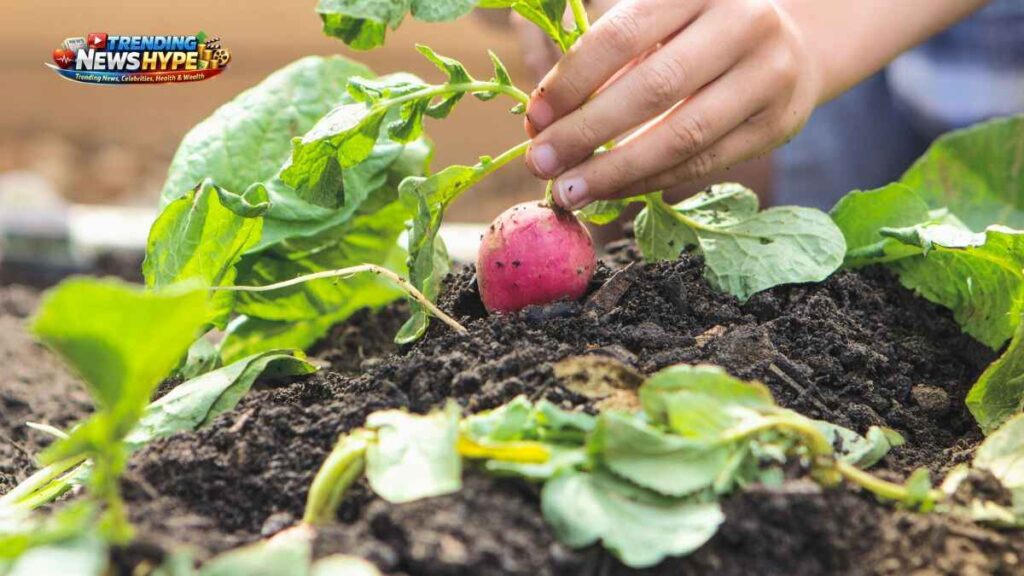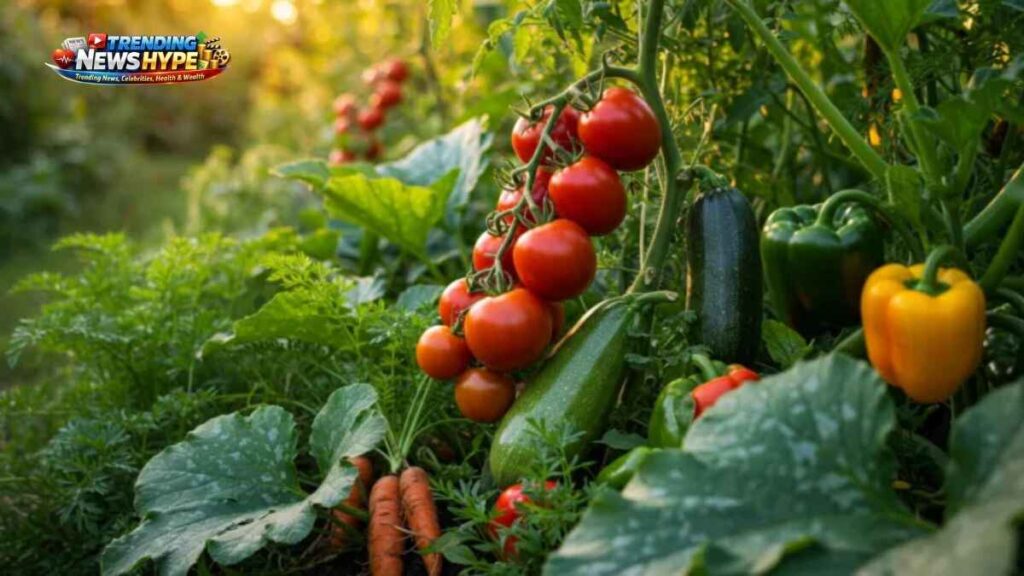
Most people think a salad garden needs a big backyard, full sun, and warm weather all year. None of that is true. Some of the most productive salad gardens in the world sit on apartment balconies, kitchen windowsills, and narrow patios no bigger than a parking space. So, what makes it work is not space. It is the right plants, the right containers, and a simple idea called succession planting that keeps fresh leaves coming to your table every single week of the year. Gardening makes your home more beautiful and your life. In my home, I love to make a garden, but in summer, the garden attracts many insects such as cockroaches. People who have breathing issues should living in a garden home.
This guide will walk you through everything: which containers to use, which plants survive each season. How to keep harvesting even in the middle of winter, and the small tricks that experienced gardeners use to never run out of greens. Read More: How to Revive a Dying Plant: 7 Expert Steps That Actually Work.
Cantainers are better for Salad Greens
Before getting into the how, it helps to understand why containers work so well for salad crops specifically. Salad greens like lettuce, spinach, arugula, and kale are shallow-rooted plants. Unlike tomatoes or squash, they do not need a lot of soil depth to thrive. Salad Greens in cantainers is eaisy and cheap for garden option.
They grow fast; they do not need much space between plants, and they are naturally suited to the kind of controlled environment a container provides. According to Colorado State University Extension research on container salad gardening, a simple deep tray, a few clay pots, or a three-by-three-foot space in a sunny spot can supply enough greens for regular salads throughout the season.
Containers also give you something a garden bed cannot: mobility. You can move a pot to follow the sun in summer, bring it indoors when frost hits, shift it away from a cold draft, or push it into shade when the weather gets too hot. That flexibility is exactly what makes year-round growing possible without a greenhouse.
Another real advantage is control over the soil. Garden beds carry whatever diseases, pests, or compaction have built up over the years. A container gives you a fresh start every season with clean potting mix, which matters a lot for tender salad leaves. For more on getting the most from containers, see our guide on the Benefits of Growing Vegetables in Containers.
Choosing the Right Containers
The container you choose affects how well your plants grow, how often you water, and how long a single planting lasts before the roots run out of room. For leaf lettuce and most salad mixes, a container that is at least six to eight inches wide and six to eight inches deep works well.
Loose-leaf varieties do not need much depth. If you want to grow head lettuce, the container needs to be at least sixteen inches wide and twelve to sixteen inches deep to accommodate a full plant and its root system.
The University of Wyoming Extension recommends cedar, stainless steel, or terracotta clay as good container materials. If you are using recycled or found containers, look for the words “food grade” or “untreated” to make sure nothing leaches into your soil. Whatever container you use, it must have drainage holes at the bottom. Salad roots sitting in standing water rot fast, just like any other plant.
Wider containers are generally better than narrow ones. More soil surface means more space between plants and more room for roots to spread, which leads to better growth and longer harvests from a single planting.
One practical tip from the Old Farmer’s Almanac: polystyrene containers, old wooden fruit crates lined with newspaper, and recycled food-safe buckets all work just as well as purpose-built planters. The plant does not know what the outside of the pot looks like. It only cares about what is inside and how much light it gets.
The Soil Inside the Container Matters More Than You Think
Do not use garden soil in a container. This is one of the most common mistakes beginners make. Garden soil compacts inside a pot and stops draining properly. It gets heavy, waterlogged, and eventually smothers the roots of your salad plants.
Use a quality potting mix specifically made for containers. A good potting mix is light, holds moisture without becoming soggy, and has enough aeration for roots to breathe. You can improve drainage further by mixing in perlite or coarse sand, which keeps air pockets in the soil even after repeated watering.
Colorado State University Extension also recommends adding good compost to your potting mix. Compost feeds the soil naturally and supports the kind of active microbial life that helps plants absorb nutrients more efficiently.
A ratio of about two parts potting mix to one part compost gives most salad greens a very good start. If you are making your own compost at home, see our full guide on How to Compost Kitchen Waste at Home. Container gardens are one of the best uses for homemade compost.
Seasons of a Container Salad Garden
Here is the heart of the year-round approach. Different plants thrive in different temperatures, so by choosing the right plant for each season and transitioning between them, your containers never sit empty.
Spring
Spring is the best time to start if you are new to container salads. Temperatures are cool, daylight is increasing, and the plants that love these conditions grow fast. Sow seeds of loose-leaf lettuce, spinach, arugula, mizuna, and mustard greens as soon as nighttime temperatures stay above freezing.
According to Savvy Gardening, arugula, mustard, spinach, and mizuna can all be started outdoors once spring temperatures are consistently above 50 degrees Fahrenheit.
Loose-leaf lettuce is especially good for beginners. It matures quickly and does not need the space or time that head lettuce requires. You can be cutting your first leaves in as little as four to five weeks after sowing.
Summer
This is the season that trips up most container salad gardeners. Lettuce and spinach bolt in heat, meaning they send up a flower stalk, go bitter, and become inedible practically overnight when temperatures climb above 75 to 80 degrees Fahrenheit.
The fix is not to stop growing. It is to change what you grow. Gardener’s Supply recommends using shade netting during the hottest weeks, which reduces incoming sunlight by about 50 percent, keeps the soil cool, and can extend your lettuce season by a few extra weeks.
But eventually, you will want to shift to heat-tolerant greens: Swiss chard, New Zealand spinach, Malabar climbing spinach, and fresh herbs like basil and parsley all handle summer well and keep your containers productive.
You can also use the summer months to grow radishes and green onions in the corners of your larger containers. They mature in just a few weeks and add variety to your harvest while the slower crops catch up.
Fall
Many experienced gardeners say fall is actually their favorite season for salad growing. The heat has passed, the days are still long enough for decent growth, and the cooler temperatures make greens sweeter and more crisp than anything you would get in spring or summer. Kale especially becomes noticeably sweeter after the first light frost, which breaks down some of the leaf’s natural bitterness.
According to Bootstrap Farmer, many greens and brassicas are hardy enough to survive frosts with some protection, as long as they have had enough time to establish a strong root system before the cold hits. The key is getting them planted in late summer, about six to eight weeks before your first expected frost date, so roots are well established before temperatures drop.
Varieties to sow in late summer for fall harvest include kale, arugula, butter crunch lettuce, romaine, spinach, and chard. These are all frost-hardy and will keep producing well into cold weather.
Winter Season
This is where most people give up, but it is also where a container garden shows its biggest advantage over a ground garden: you can bring it inside. Winter is best for plants. Every season has different plant seasons.
The Old Farmer’s Almanac has documented people growing fresh lettuce indoors through entire winters with nothing more than containers placed near a bright window and simple grow lights. Most lettuce and salad greens need about 12 to 14 hours of light per day for steady growth indoors. A basic LED shop light or fluorescent tube positioned a few inches above the plants works well and costs very little to run. Lettuce prefers cool indoor conditions, ideally between 55 and 70 degrees Fahrenheit, so keep containers away from heating vents or radiators.
Mother Earth News has also published accounts from gardeners who grew full salad harvests indoors every winter using a simple germination mix of peat moss, perlite, and vermiculite, topped with a thin layer of compost. The greens were cut young as microgreens, giving multiple harvests from a single sowing before the next batch was ready.
For outdoor containers in winter, a clear plastic lid or cold frame placed over the container creates a mini greenhouse effect that can protect plants down to around 15 degrees Fahrenheit. Frost-hardy varieties like arugula, spinach, kale, and butter crunch lettuce can all survive in these conditions.
Succession Planting
If there is one idea that separates gardeners who always have fresh salad from those who either drown in greens or go without for weeks, it is succession planting.
The concept is simple. Instead of sowing all your seeds at once and getting a single large harvest that ends abruptly, you sow small amounts every two to three weeks so that when one batch is being harvested, the next is just getting started.
A According to Gardener’s Path, short-season plants like lettuce, spinach, and arugula, which mature in under 60 days, can be planted every few weeks until late summer or early fall for a continuous harvest. This is the most practical technique for anyone who wants salad on the table without planning around one big burst of production.
A user in a gardening community on Quora captured the spirit of this approach well: “I finally stopped thinking of my balcony garden as something that produces in seasons. Now I think of it as a small factory. Every ten days, I put in a new pot of lettuce seeds. Every ten days,s I harvest from the oldest pot. It just keeps going.”
The key to making succession planting work in containers is having enough pots to rotate through. You do not need dozens. Three to four containers at different stages of growth are enough for one or two people to have salad several times a week. As you harvest the oldest container, clean it out, refresh the soil, and sow the next batch.
Plant Cut and Grow
Alongside succession planting, the cut-and-come-again harvesting method doubles or triples what you get from each container. The idea is to never pull the whole plant. Instead, you cut only the outer leaves, leaving the central growing point intact. The plant responds by pushing out new leaves from the center.
Gardening Know How explains that you should cut just the leaves you want, using scissors, when the plant is four to six inches tall. From that point, a single planting can give three or more harvests before the plant eventually bolts or tires out.
To do this correctly, cut leaves one to two inches above the soil line. This keeps the base of the plant intact and lets it regrow. The young tender inner leaves that come back after a cut are often sweeter and more flavorful than the outer leaves you first removed.
This method works especially well with arugula, loose-leaf lettuce, spinach, kale, mustard greens, and Swiss chard. Head lettuce and romaine do not regrow as reliably once cut, so those are better harvested all at once when they reach maturity.
Feeding Your Container Salad Garden
Containers lose nutrients faster than garden beds because every time you water, a small amount of nutrients washes out through the drainage holes. For salad greens, which are fast-growing leafy plants, consistent feeding makes a noticeable difference in both size and flavor.
Gardening Know How recommends starting fertilizer when plants are four to six inches tall, using a soluble fertilizer at half strength. A nitrogen-rich fertilizer supports leaf growth specifically, which is what you are harvesting. Go light rather than heavy: too much fertilizer pushes rapid, watery growth that is more susceptible to pests and less flavorful on the plate.
Every season, when you replant a container, refresh at least a third of the potting mix. Old soil becomes depleted and compacted. Adding fresh compost at the start of each new planting goes a long way toward keeping your containers productive.
Light & Water
Salad greens need at least four hours of sunlight per day to grow well, though they perform best with six or more hours of bright indirect light. Every garden needs light and water. According to Gardenary, you should check the soil moisture level every day during the growing season, because containers dry out much faster than ground beds, especially in warm or windy weather.
Overwatering is still a risk in containers. Feel the top inch of soil before watering. If it is still damp, wait. If it is dry, water thoroughly until it drains from the bottom. Shallow, frequent watering encourages surface roots that make the plant weaker and less drought-tolerant over time.
In winter, when temperatures drop and growth slows, water is far less often available. A container that needs water every day in summer might only need watering every five to seven days in December.
A Simple Year-Round Planting Plan
If you want a place to start, here is a straightforward rotation that works across most climates: In early spring, sow loose-leaf lettuce, spinach, and arugula. Harvest using cut-and-come-again for six to eight weeks. As those plants start to bolt in the heat, replace the containers with Swiss chard, New Zealand spinach, and basil. These carry you through summer.
In late summer, around six to eight weeks before your first frost, sow kale, winter spinach, and butter crunch lettuce. These carry you through autumn and into early winter. Over winter, move your most productive containers indoors to a bright windowsill or under grow lights and keep sowing microgreens or baby lettuce every couple of weeks.
That is the whole system. Four transitions across the year, a few containers rotating through at different stages, and you rarely go a week without something ready to pick.
FAQ
1. Grow a salad garden in a container from seed?
To grow a salad garden from seed, fill a container with quality potting mix, sprinkle seeds like lettuce, spinach, or arugula on the surface, and cover lightly with soil. Water gently and keep the soil moist. Most salad greens germinate within 5–10 days.
2. Beginner for Sealed Container
Start small with easy plants, use containers with good drainage, choose quality potting soil instead of garden soil, water consistently without overwatering, and place containers where they get at least 4–6 hours of sunlight daily.
3. I grow sealed in Years?
You can grow salad year-round by using seasonal planting. It’s best to grow plants in the spring season. Grow cool-season greens like lettuce and spinach in spring and fall, switch to heat-tolerant plants like Swiss chard in summer, and grow greens indoors or under grow lights during winter.
4. Best plants for container gardens?
The easiest plants for container gardening are loose-leaf lettuce, spinach, arugula, kale, Swiss chard, and basil. These grow quickly, require little space, and are very forgiving for beginners.
Conclusion
A year-round container salad garden is one of the most happy things a home grower can set up because the reward is immediate and repeatable. You are not waiting six months to see if something worked. You are cutting leaves within weeks of planting and eating something you grew yourself.
The learning curve is gentle. Salad greens are forgiving, fast, and cheap to replace if something goes wrong. However, seed packet costs a dollar or two. Home needs a garden.A failed pot is a lesson that takes ten minutes to correct with a fresh batch of seeds. In my house
Start with one container and one variety. Learn what it needs. Then add another. By the time you have four or five containers at different stages, the rhythm of sowing, growing, harvesting, and starting again becomes second nature, and the idea of running out of fresh salad greens starts to feel like a problem that belongs to someone else. Read More about How to Choose and Use Solar-Powered Garden Lighting in 2026.
What are the best indoor plants for beginners, and how do I care for them?