

Most people buy fresh herbs in small plastic packets, use a third of what is inside, and throw the rest away a week later when it goes limp in the fridge. Growing your own fixes this completely. You harvest exactly what you need, when you need it, and the plant keeps producing for months.
Herbs are also genuinely forgiving. They do not need much space, most of them do well in containers, and the majority will survive a beginner’s early mistakes better than almost any other plant you can grow.
This guide covers the herbs actually worth growing at home, what each one needs to thrive, the mistakes that cause most herb growing failures, and how to keep plants producing well through the season. Read More: Top Flowering Plants for Full Sun
Why Growing Herbs at Home Is Worth the Effort
The practical case is straightforward. A single basil plant bought from a garden centre costs about the same as one packet of supermarket basil and will produce many times that amount of fresh leaves over a full growing season. Rosemary, thyme, and sage are even better value — once established, they require almost no maintenance and can be harvested repeatedly for years.
Beyond cost, there is a quality difference. Fresh herbs harvested immediately before use have significantly more flavour than shop-bought ones that were cut days earlier and stored in chilled packaging. The essential oils that give herbs their aroma and taste start breaking down as soon as the plant is cut. Growing your own means you cut them at the last possible moment.
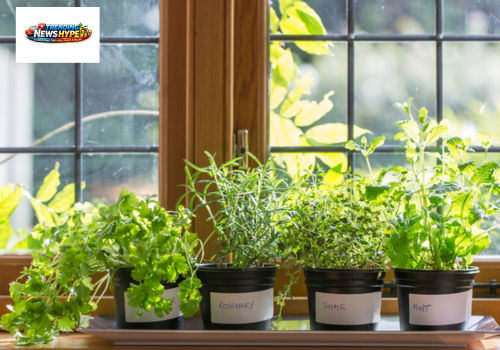
I’ve grown all of the herbs in this guide on a south-facing kitchen windowsill — here’s which survived winter, which ones need to be replaced each year, and which genuinely thrive indoors with minimal fuss. The short answer: rosemary, thyme, and mint came through without complaint. Basil did not, and I now treat it as an annual. Parsley survived but became noticeably leggy by February.
Herbs for Full Sun vs Partial Shade
Not every kitchen window sill or outdoor spot gets the same light. Matching herbs to your conditions makes a significant difference in how well they perform.
Best for full sun (6+ hours of direct light): Basil, rosemary, thyme, oregano, sage, and lavender all want as much sun as they can get. These are Mediterranean herbs that evolved in bright, dry conditions. On a south-facing windowsill or a sunny balcony, they do well. In a shadier spot, they produce less growth and a weaker flavour.
Tolerates partial shade (3–4 hours of direct light): Parsley, mint, chives, and lemon balm all manage in spots that do not get full sun. Of these, mint is the most shade-tolerant — it will grow in quite dim conditions, though it grows faster in brighter light. Parsley in partial shade produces slightly fewer leaves but remains useful.
Avoid shade entirely for: Basil, rosemary, lavender, and sage. These struggle noticeably in low light. Basil in a north-facing window tends to go yellow and thin; rosemary and lavender in shade become prone to disease.
Herbs for Containers vs Garden Beds
Growing in pots and growing in the ground are different propositions. Some herbs suit one setting far better than the other.
Better in containers: Mint and lemon balm must be grown in containers if you do not want them spreading uncontrollably — both spread through underground runners and will colonise a bed quickly. Basil also does better in a pot on a warm windowsill than in a garden bed in cooler climates, since it needs consistent warmth. Containers also let you move plants to shelter them from frost or excessive rain.
Thrive in garden beds: Rosemary, sage, thyme, and oregano do well in both settings but reach their full size and longevity more easily in the ground, where their roots have more room and drainage can be managed at a larger scale. A rosemary plant in a garden bed can become genuinely shrub-sized over several years. In a pot it stays smaller and needs more frequent watering.
Either works well: Parsley, chives, cilantro, and chamomile are flexible — they perform consistently in containers or beds. If you have both options, grow these wherever space is most convenient.
The Best Culinary Herbs to Grow at Home
Basil
Basil is the most popular kitchen herb and, in the right conditions, one of the easiest to grow prolifically. It needs warmth and sun above everything else. Below around fifteen degrees Celsius it stops growing and begins to struggle. In a heated home near a south-facing window, it performs well through most of the year.
How to harvest basil without killing it: The most important thing to know about growing basil is how to harvest it correctly. Most people pinch individual leaves from the bottom of the plant, which weakens it and encourages it to flower and go to seed. The right method is to pinch off the growing tip — the top pair of leaves — which encourages the plant to branch and become bushier. Each time you pinch a tip, two new stems grow in its place. A correctly harvested basil plant in good conditions doubles in size over a growing season rather than gradually depleting.
Remove any flower stems as soon as they appear. Once basil flowers, it shifts its energy into seed production and the leaves become smaller and more bitter. Keep cutting the flowers off, and the plant will continue producing good quality leaves for months.
Water basil at the base rather than overhead. Wet leaves in cool conditions invite fungal problems. Allow the top centimetre of soil to dry between waterings and make sure the pot has drainage holes.

Parsley
Parsley is slower to establish than basil but more tolerant of cooler temperatures and partial shade, which makes it a useful herb for spots that do not get full sun. Both flat leaf and curly varieties grow well in containers. Flat leaf parsley generally has stronger flavour and is more useful in cooking. Curly parsley is hardier and handles cold better.
One thing most guides do not mention: parsley is biennial, meaning it completes its life cycle over two years. In its first year it produces leaves. In its second year it flowers, sets seed, and dies. If your parsley suddenly sends up a tall flower stem and the leaves become sparse and less flavourful, this is why it is in its second year and finishing its life cycle. Start fresh with new plants each spring for consistent production.
How to harvest parsley without killing it: Cut the outer stems at the base rather than snipping leaves off mid-stem. Leave the inner stems and younger growth to continue developing. Never remove more than a third of the plant at one time — taking too much at once stresses the plant and slows recovery significantly.
Cilantro
Cilantro grows quickly and bolts — runs to seed — equally quickly, especially in warm weather. This is the main challenge with growing it. In summer, a cilantro plant can go from seedling to flower in three weeks, at which point the leaves become sparse and less flavourful.
The solution is succession sowing. Rather than growing one large cilantro plant, sow a small row or pot of seeds every two to three weeks from spring onwards. By the time the first batch bolts, the next is ready to harvest. This keeps a continuous supply of fresh leaves available through the season without any individual plant becoming unusable.
Cilantro prefers cooler conditions. It performs best in spring and autumn. In the height of summer, place it somewhere with afternoon shade to slow bolting.
How to harvest cilantro without killing it: Cut stems from the outside of the plant at the base, leaving the centre to keep growing. Once a plant sends up a tall central flower stem, it is bolting — harvesting at this point does not reverse it. Use what you can and start a fresh pot from the next succession sowing.
Mint
Mint is the easiest herb to grow and the most important one to contain. It spreads through underground runners aggressively enough to take over an entire garden bed in a single season. Always grow mint in its own container and never plant it directly into a garden bed unless you want mint everywhere permanently.
In a container, mint is almost indestructible. It tolerates partial shade better than most herbs, recovers quickly from heavy harvesting, and comes back reliably year after year. Cut it back hard when it starts to look straggly, and it will regrow fresh and vigorous within a few weeks.
How to harvest mint without killing it: Cut entire stems back to just above a leaf node rather than pulling individual leaves. This encourages the plant to branch and produce denser, more vigorous new growth. When mint becomes tall and straggly, cut the whole plant back by two-thirds — it will recover fully within two to three weeks and the new growth will be fresher and more flavourful than what it replaced.
The variety matters more than most guides acknowledge. Spearmint is the standard culinary mint, good for cooking, drinks, and tea. Peppermint has a stronger, cooler flavour and is better for teas and desserts.
Chocolate mint has a mild chocolate and mint flavour that works well in desserts. Apple mint is milder and works well in fruit salads and drinks. Growing two or three varieties in separate pots gives you much more flexibility than a single generic mint plant.
Quick Comparison of Popular Herbs
| Herb | Sunlight Needs | Water Requirements | Best Uses |
|---|---|---|---|
| Basil | Full Sun | Moderate | Pasta, pizza, salads |
| Parsley | Full Sun to Partial Shade | Moderate | Soups, sauces, salads |
| Cilantro | Partial to Full Sun | Moderate | Salsa, curries, tacos |
| Mint | Partial Sun | Moderate to High | Teas, desserts, drinks |
| Rosemary | Full Sun | Low | Roasted meats and vegetables |
| Thyme | Full Sun | Low | Soups, marinades, seasoning |
| Oregano | Full Sun | Low | Mediterranean cooking |
| Sage | Full Sun | Moderate | Stuffing, poultry dishes |
| Lavender | Full Sun | Low | Tea, baking, aromatherapy |
| Chamomile | Full Sun | Moderate | Herbal tea |
| Lemon Balm | Full Sun to Partial Shade | Moderate | Teas and refreshing drinks |
Rosemary
Rosemary is one of the most low-maintenance herbs you can grow once it is established. It is drought-tolerant, hardy to moderate frosts, and will grow in relatively poor soil as long as drainage is good. The main thing that kills rosemary is waterlogged soil — the roots rot quickly in wet conditions.
Plant rosemary in a mix of potting compost and coarse sand or perlite in roughly equal parts. Water it sparingly compared to other herbs. In summer, it may need water twice a week. In winter, once every two to three weeks is often enough.
Rosemary grows slowly but lives for many years. A well-managed rosemary plant in a container can reach forty to sixty centimetres tall and provide significant harvests for five years or more. Prune it lightly after it flowers each year to keep it compact and encourage fresh growth.
How to harvest rosemary without killing it: Snip the soft tips of stems rather than pulling woody branches. Never remove more than a third of the plant in one session. Avoid cutting back into old brown wood — rosemary does not regenerate from woody stems, so always cut into green growth.
Thyme
Thyme behaves similarly to rosemary — it prefers full sun, well-draining soil, and relatively infrequent watering. It is one of the most drought-tolerant herbs you can grow and handles neglect better than almost anything else in this list.
Common thyme is the most useful culinary variety. Lemon thyme has a pleasant citrus note and works well with fish and chicken. Creeping thyme is more ornamental than culinary but makes an attractive addition to a mixed herb container.
How to harvest thyme without killing it: Snip the tips of stems rather than pulling whole branches. Harvest before the plant flowers for the best flavour. After two to three years, thyme plants become woody at the base and produce fewer new shoots. At this point, it is worth taking cuttings to propagate new plants and replacing the original.
Oregano
Oregano is straightforward to grow and one of the most productive herbs per unit of space. A single plant in a twenty centimetre pot will provide more dried oregano than most households use in a year. It prefers full sun and drains well but is otherwise undemanding.
Fresh oregano has a milder flavour than dried. Many recipes that call for dried oregano are using the concentrated version of the flavour — if substituting fresh, use roughly three times the quantity.
How to harvest oregano without killing it: Cut stems back by around half when harvesting. The plant responds by branching and producing more growth, so heavy harvesting actually encourages a bushier, more productive plant.
At the end of summer, harvest a large amount and dry it by hanging bunches upside down in a warm spot — this supplies dried oregano through winter when the plant is not actively growing.
Aromatic and Medicinal Herbs Worth Growing
Sage
Sage is slower growing than most herbs but extremely long-lived and reliable. It prefers full sun and well-draining soil and handles dry conditions well. The leaves are used in cooking — particularly with poultry, in stuffing, and in pasta dishes — and the plant has attractive silvery green foliage that looks good in a container or herb bed.
How to harvest sage without killing it: Snip individual stems rather than pulling leaves. Like rosemary and thyme, it becomes woody with age and benefits from light pruning after flowering each year. Avoid cutting into old woody growth, which does not regenerate reliably.
Lavender
Lavender requires the best drainage of any herb on this list. In heavy or moisture-retentive soil it will struggle and eventually die. In free-draining, slightly sandy soil in full sun, it thrives and can live for many years.
Grow lavender in a mix of potting compost and horticultural grit or coarse sand at a ratio of roughly one part grit to two parts compost. Water sparingly — once established, lavender needs water only during extended dry periods. Prune it immediately after flowering each year, cutting back into the green growth but never into the old woody stems, which do not regenerate.
Chamomile
Chamomile is easy to grow from seed and produces delicate white flowers that dry well for tea. German chamomile is the annual variety and produces the most flowers. Roman chamomile is perennial but flowers less prolifically. For tea production, German chamomile is the better choice.
Harvest flowers when they are fully open and dry them in a single layer on a tray in a warm spot with good airflow. Dried flowers store well in an airtight container for up to a year.
Lemon Balm
Lemon balm is a member of the mint family and shares mint’s tendency to spread — contain it in a pot rather than planting it directly into a bed. It produces fresh, citrus-scented leaves that make a pleasant tea and attract pollinators when it flowers.
Cut it back hard once or twice during the growing season to keep it producing fresh growth. Like mint, it becomes straggly if left to grow unchecked, but responds vigorously to cutting back. Read More: Easy Fruit Trees to Grow in Small Gardens
Creative Ways to Arrange a Home Herb Garden
A windowsill in a south-facing kitchen is the most practical location for culinary herbs; they are immediately accessible while cooking and receive consistent light. A row of small pots containing basil, parsley, chives, and thyme takes up very little space and covers the herbs used most frequently in everyday cooking.
On a balcony, railing planters and vertical pockets allow a significant number of herbs to grow without taking up floor space. A tiered plant stand fits eight to ten small pots in the footprint of a single large container. Hanging baskets work well for trailing herbs and compact plants like thyme and creeping rosemary.
If you have a small outdoor bed or raised bed, combining culinary and aromatic herbs in the same space works well aesthetically and practically. Grouping Mediterranean herbs — rosemary, thyme, sage, oregano, lavender — makes care easier since they all have similar water and drainage requirements.
Common Herb Gardening Mistakes to Avoid
Even easy-to-grow herbs can struggle when basic care requirements are overlooked.
Overwatering
Many herbs prefer slightly dry conditions between waterings. Excess moisture can lead to root rot and fungal problems.
Poor Drainage
Using heavy soil without proper drainage can damage roots. Choose well-draining potting mixes and containers with drainage holes.
Insufficient Sunlight
Most herbs require at least four to six hours of sunlight daily. Limited sunlight often results in weak growth and reduced flavour.
Over-Harvesting
Removing too much foliage at once can stress plants and slow future growth. Harvest gradually and leave enough leaves for continued development.
Planting Mint Directly in Garden Beds
Mint spreads aggressively through underground runners. Growing it in containers helps keep it under control.
Frequently Asked Questions
What is the easiest herb to start with?
Mint is the most forgiving for complete beginners — it tolerates varied light, irregular watering, and heavy harvesting. If you want something culinary and immediately useful, chives are similarly easy and grow back reliably after cutting.
Can herbs grow indoors through winter?
Parsley, chives, thyme, and mint all manage reasonably well indoors in winter with a bright window. Basil struggles once temperatures drop and light levels reduce; it is genuinely easier to treat it as an annual and start fresh each spring. Mediterranean herbs like rosemary and lavender are better overwintered in a sheltered outdoor spot than indoors.
From personal experience growing these on a south-facing kitchen windowsill: rosemary and thyme both came through winter without any special treatment. Mint died back completely but returned in spring. Parsley survived but became noticeably leggy. Basil gave up entirely by November.
How often should I water herbs in containers?
This depends entirely on the herb. Mediterranean herbs need water only when the soil is completely dry — for rosemary and lavender in cool weather this might be once every two weeks. Basil and parsley need more consistent moisture and should be watered when the top centimetre of soil is dry. The worst approach is watering all herbs on the same schedule regardless of their individual needs.
Why does my basil keep dying?
The most common reasons are cold temperatures, overwatering, and insufficient light. Basil is genuinely tropical and is more temperature sensitive than most people realise. Keep it away from cold draughts, do not let it sit in water, and make sure it is in your brightest window.
Conclusion
A few pots of well-chosen herbs on a windowsill or balcony are one of the most practical additions to a home kitchen. The cost savings are real. The quality difference compared to shop-bought herbs is noticeable. And the maintenance involved — a few minutes of watering and occasional harvesting is minimal compared to almost any other type of gardening.
Start with two or three herbs you actually cook with regularly. Get those established, learn what they need, and expand from there. A herb garden does not need to be impressive or extensive to be genuinely useful. For further reading on home growing, see our guide on Plants That Attract Pollinators Like Bees and Butterflies.




Pingback: Top Flowering Plants for Full Sun - trendingnewshype.com
Pingback: Easy Fruit Trees to Grow in Small Gardens - trendingnewshype.com