
Busy schedules and plant care rarely go well together. Many people bring home beautiful plants with good intentions, only to see them struggle due to a lack of time. The good news is that some plants are naturally designed to survive with minimal attention while still making your home or office greener and more refreshing.
This guide covers the best low-maintenance plants for busy people, why they work so well, and how anyone can keep them alive without stress or complicated routines. Read More: Plant Propagation for Beginners
Why Low-Maintenance Plants Are the Best Choice
Not all plants need constant care. Some are naturally adapted to survive in tough conditions, making them perfect for people with busy routines.
Here’s why they work so well:
- Overwatering is more dangerous than underwatering for most indoor plants
- Many popular houseplants naturally grow in low-light environments
- They can survive irregular watering schedules without damage
- They reduce stress and improve the indoor atmosphere
- They are cost-effective because they rarely need replacement
Choosing the right plant is less about effort and more about matching the plant with your lifestyle.
How Long Can You Actually Leave These Plants Unwatered?
Most plant guides tell you how often to water. What busy people actually need to know is the opposite: how long can you leave before something goes wrong? The answer varies significantly between species and depends on pot size, temperature, and light levels, but the ranges below reflect realistic neglect tolerance under typical indoor conditions.
Snake plant: 6 to 8 weeks without water in low light; 3 to 4 weeks in bright light. ZZ plant: up to 8 weeks in most conditions — the rhizomes store enough water to carry the plant through extended dry periods. Pothos: 2 to 3 weeks before it starts to wilt, though it recovers quickly once watered. Spider plant: 1 to 2 weeks before leaves begin to brown at the tips. Peace lily: 1 to 2 weeks; it will droop visibly but recovers fully when watered. Cast iron plant: 4 to 6 weeks — one of the most drought-tolerant foliage plants for indoor use. Succulents and cacti: 3 to 6 weeks depending on variety; some desert cacti survive months without water.
These figures assume the plant is not in direct sun or extreme heat, which accelerates water loss significantly. A snake plant on a cool shelf can survive far longer than one sitting in a south-facing window in summer.
Best Low-Maintenance Indoor Plants
Snake Plant (Sansevieria)
Snake plants are one of the toughest indoor plants you can grow. They survive low light, dry air, and long gaps without water.
Care Guide:
- Water: Every 2–3 weeks
- Light: Low to bright indirect light
- Soil: Well-draining mix
Why it’s great: It continues growing even when ignored for weeks, making it ideal for beginners.
Neglect tolerance: High. Can be left unwatered for 6 to 8 weeks without lasting damage. Survives weeks of forgotten care without visible deterioration. The most common way to kill a snake plant is overwatering, not underwatering — if in doubt, leave it alone.
Pothos (Money Plant)
Pothos is extremely flexible and adapts to almost any indoor environment. It is a fast-growing trailing plant that looks great in hanging pots.
Care Guide:
- Water: Once the soil feels dry
- Light: Low to medium indirect light
- Soil: Regular potting soil
Why it’s great: Even if you forget it for days, it quickly recovers after watering.
Neglect tolerance: Medium-high. Leaves will droop and curl after 2 to 3 weeks without water, but the plant bounces back fully within hours of a good watering. It communicates neglect clearly without dying from it, making it a good visual reminder for forgetful owners.
ZZ Plant
The ZZ plant stores water in its roots, which helps it survive long dry periods. It also has a clean, glossy look that fits modern interiors.
Care Guide:
- Water: Every 2–4 weeks
- Light: Low light tolerant
- Soil: Well-draining soil
Why it’s great: It almost thrives on neglect, making it perfect for offices and homes.
Neglect tolerance: Very high. The thick rhizomes underground store enough water to sustain the plant for up to 8 weeks. Growth slows in low light, but the plant does not decline. Widely regarded as the single most neglect-proof foliage plant available — if you travel frequently or have an unpredictable schedule, this is the one to start with.
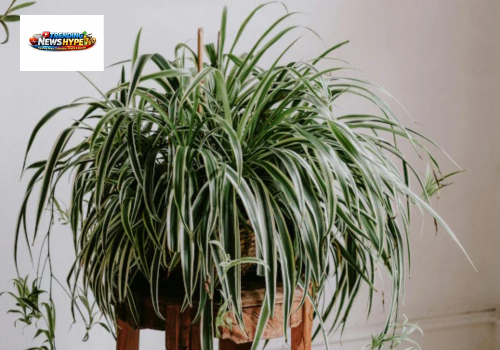
Spider Plant
Spider plants grow quickly and produce small baby plants that can be regrown easily.
Care Guide:
- Water: Once a week
- Light: Indirect light
- Soil: Standard potting mix
Why it’s great: It is safe for pets and very easy to propagate.
Neglect tolerance: Medium. More water-dependent than the snake plant or the ZZ plant, but tolerates 1 to 2 weeks without water before showing stress. Brown leaf tips are the first sign of underwatering or low humidity — trim them off and water more consistently to resolve the issue.
Best Low-Light Plants
Cast Iron Plant
As the name suggests, this plant is extremely tough and survives in very low light conditions. Read More: Seasonal Flowering Plants for Your Garden in 2026.
- Very slow-growing
- Needs minimal watering
- Perfect for dark corners
Neglect tolerance: Very high. Can go 4 to 6 weeks without water and tolerates the darkest corners of any room — including spots where most other plants simply stop growing. Its slow growth rate is an asset for busy owners: it stays the same size for months without needing repotting or pruning.
Peace Lily
Peace lilies are known for their elegant white flowers and natural drooping signal when they need water.
Care Guide:
- Water when leaves droop
- Prefers indirect light
- Enjoys slightly humid environments
Neglect tolerance: Medium. The peace lily’s drooping leaves when thirsty make it one of the most self-communicating plants available — you do not need to check the soil or follow a schedule; the plant tells you when it needs water. It recovers quickly after wilting and can be left 1 to 2 weeks between waterings in most conditions.
Best Low-Maintenance Outdoor Plants
Lavender
Lavender grows well in sunlight and does not require frequent watering once established.
Care Guide:
- Water: Occasionally
- Light: Full sun
- Soil: Dry and well-drained
Neglect tolerance: High once established. A lavender plant in free-draining soil can go 3 to 4 weeks without rain or watering during summer. The most common care mistake is overwatering or planting in heavy soil — both cause root rot to occur far faster than drought does.
Rosemary
Rosemary is both decorative and useful for cooking.
Care Guide:
- Water: Light watering every few weeks
- Light: Full sun
- Soil: Dry soil preferred
Neglect tolerance: High. Established rosemary in the right soil requires water only every 2 to 3 weeks in summer and even less in cooler months. It tolerates weeks without attention and benefits from occasional pruning after flowering — roughly once a year — to keep it compact.
Balcony-Friendly Plants
Geranium
Geraniums are colourful, hardy, and perfect for balconies with sunlight.
- Water the soil when it is dry
- Needs sunlight
- Produces long-lasting flowers
Neglect tolerance: Medium. Geraniums tolerate dry spells of 1 to 2 weeks better than most flowering plants. They will drop some flowers when stressed by drought, but recover and rebloom once watering resumes. Deadheading spent flowers takes 5 minutes and significantly extends the flowering season.
Succulents
Succulents store water in their leaves, making them extremely drought-resistant.
- Water every 2–3 weeks
- Needs bright light
- Avoid overwatering
Neglect tolerance: Very high. Most succulents survive 3 to 6 weeks without water — the leaves store enough moisture to carry the plant through extended dry periods. The single biggest cause of succulent failure is too much water, not too little. In a bright spot, they are among the lowest-effort plants available.
Easy Office Plants
Chinese Evergreen
Perfect for offices with low natural light and air conditioning.
- Very low maintenance
- Tolerates dry air
- Slow-growing and stable
Neglect tolerance: High. Chinese evergreens handle dry air, irregular watering, and fluorescent lighting better than almost any other office plant. They can go 2 to 3 weeks without water and show minimal response to low humidity — a significant advantage in air-conditioned environments where most plants struggle.
Cactus
These plants need very little water and prefer bright environments.
- Water every 3–6 weeks
- Needs strong light
- Perfect for desks and windows
Neglect tolerance: Very high. A desk cactus in a bright window can go 4 to 8 weeks without water during summer and up to 3 months in winter dormancy. The only consistent care requirement is strong light — a cactus in a dim office will slowly decline regardless of how well everything else is managed.

What Happens When You Actually Neglect These Plants: A Realistic Guide
There is a difference between a plant being described as “low maintenance” and knowing what actually happens when you miss waterings, forget to check on it, or leave it for two weeks while travelling. This section covers the realistic outcome for each plant category.
Snake plant and ZZ plant: Leaves may develop slight wrinkling or softening at the base after 6 to 8 weeks without water. Water thoroughly, and the plant recovers within a week. No lasting damage in most cases. Pothos and spider plant: Leaves droop and curl, and brown tips may develop on spider plants. Water immediately, and most leaves recover within 24 hours. Severely dehydrated leaves that have gone crispy will not recover, but can be trimmed off.
Peace lily: Collapses dramatically when thirsty, but is rarely dead — it is one of the best at feigning distress before a full recovery. Water it and check back in an hour. Cast iron plant: Shows almost no visible stress even after weeks of neglect. Yellowing of older leaves is the first sign, and it appears slowly. Succulents: Leaves begin to wrinkle and may become soft. Bottom leaves may dry up. Resume watering and the plant stabilises. Overwatering after a long dry spell can cause root rot — water lightly at first to reintroduce moisture gradually.
The plants most likely to suffer genuine damage from a two-week absence without watering are the peace lily in a warm, bright room and the spider plant in dry conditions. The most likely to be completely fine are ZZ plant, cast iron plant, snake plant, and cacti.
Plants That Handle Irregular Care Better Than a Fixed Schedule
Some plants actively perform better when care is inconsistent — or at least are completely indifferent to it. This is the genuine differentiator between a low-maintenance plant and a beginner-friendly plant. A beginner plant is forgiving of mistakes. A neglect-tolerant plant does not just forgive irregular care — it is adapted to it.
ZZ plant, snake plant, cast iron plant, and most cacti evolved in environments with seasonal drought. Their natural cycle involves extended dry periods followed by rainfall. Mimicking this — watering thoroughly, then leaving the plant completely alone until the soil is bone dry — more closely matches their natural conditions than a fixed weekly schedule does. These plants do not want consistent moisture; they want feast and famine.
For busy owners, this means the best approach is not to try to maintain a schedule but to water thoroughly whenever you remember, then leave the plant alone. A ZZ plant watered deeply every six weeks will often outperform one watered lightly every week, because light, frequent watering never fully saturates the rhizomes and encourages shallow roots.
Plants that do better on a consistent schedule — and are less suited to irregular care — include peace lily, spider plant, and ferns. If your care pattern is genuinely unpredictable rather than just infrequent, stick with the drought-adapted species.
Simple Care Tips for Busy People
You don’t need complicated routines to keep plants healthy. Just follow these basics:
- Check the soil before watering instead of following a fixed schedule
- Water deeply but less frequently
- Keep plants away from heaters and AC vents
- Rotate plants occasionally for even growth
- Use pots with proper drainage
A few minutes once a week is usually enough.
Common Mistakes to Avoid
- Overwatering is the biggest cause of plant death
- Pots without drainage holes trap excess water
- Wrong light placement slows growth or kills plants
- Frequent repotting stresses plants
- Ignoring seasonal changes leads to problems
Frequently Asked Questions
What is the easiest plant to keep alive indoors?
Snake Plant and ZZ Plant are among the easiest houseplants to grow because they require very little care and adapt to different lighting conditions. They tolerate occasional missed waterings and are resistant to many common indoor growing problems. These plants grow slowly, making them easy to manage, and are ideal for beginners or busy households. With basic care, they can stay healthy for many years.
How often should I water low-maintenance plants?
Most low-maintenance plants need watering every 1–3 weeks, depending on light, temperature, and humidity. Always check the soil before watering, as different conditions affect how quickly it dries out. Water only when the top inch of soil feels dry to the touch. Overwatering is a more common problem than underwatering and can lead to root rot.
Can these plants survive in low-light rooms?
Yes, plants like the ZZ Plant, Cast Iron Plant, and Snake Plant can survive in low-light conditions. While they tolerate dim spaces, they usually grow faster and look healthier with some indirect natural light. Avoid placing them in completely dark rooms for long periods. Rotating the plants occasionally or moving them to a brighter spot every few weeks can also help maintain healthy growth.
Conclusion
Low-maintenance plants make it possible for anyone to enjoy greener, y without stress or strict routines. You don’t need gardening experience or extra time, just the right plant choices.
Start with one easy plant, like a snake plant or ZZ plant. Once you understand how it responds to your environment, you can slowly expand your collection. A green home doesn’t require effort; it just requires the right start.


Pingback: Plant Propagation for Beginners - trendingnewshype.com