
A garden filled with buzzing bees and fluttering butterflies is more than just beautiful—it is a sign of a healthy and thriving ecosystem. Pollinators play a vital role in helping plants reproduce, increasing flower production, and supporting fruit and vegetable harvests.
By choosing the right plants, gardeners can create a colorful outdoor space that attracts beneficial insects while supporting local biodiversity. Whether you have a large backyard, a small patio, or a balcony garden, pollinator-friendly plants can transform your outdoor area into a vibrant habitat. Read More: 10 Common Plant Care Mistakes and How to Avoid Them.
Why Pollinator-Friendly Plants Matter
Pollinators such as bees, butterflies, moths, and other beneficial insects are essential to healthy ecosystems. They transfer pollen from one flower to another, allowing plants to produce seeds, fruits, and vegetables.
A pollinator-friendly garden offers several benefits:
- Supports local biodiversity
- Improves fruit and vegetable production
- Encourages healthier flowering plants
- Creates a vibrant and active outdoor environment
- Helps protect declining pollinator populations
Research from conservation organizations shows that native pollinator populations benefit significantly from gardens that provide diverse food sources and safe habitats throughout the year.
Best Plants for Attracting Bees and Butterflies
Lavender
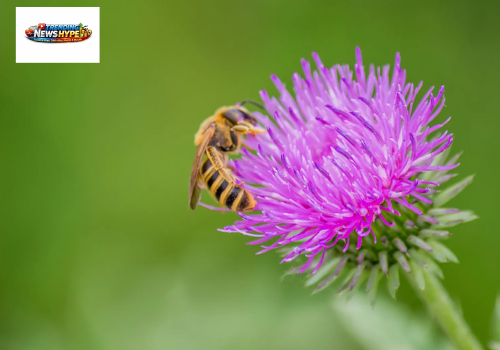
Lavender is one of the most popular pollinator plants due to its fragrant purple flowers and long blooming season. Bees are particularly attracted to its nectar-rich blooms.
Benefits:
- Long flowering period
- Drought-tolerant once established
- Excellent nectar source for bees
- Pleasant fragrance for gardens
Milkweed
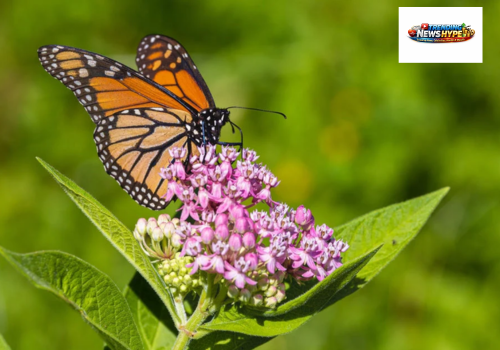
Milkweed is essential for many butterfly species, especially monarch butterflies. It serves as both a nectar source and a host plant for caterpillars.
Benefits:
- Supports butterfly life cycles
- Provides abundant nectar
- Easy to grow in sunny locations
Coneflower (Echinacea)
Coneflowers produce colorful blooms that attract bees, butterflies, and other beneficial insects throughout summer.
Benefits:
- Long-lasting flowers
- Drought resistant
- Supports a wide variety of pollinators
Catmint
Catmint produces clusters of blue-purple flowers that bloom for extended periods, making it a favorite among bees.
Benefits:
- Low maintenance
- Long blooming season
- Excellent for borders and garden beds
Bee Balm
As its name suggests, bee balm is highly attractive to bees, butterflies, and hummingbirds.
Benefits:
- Bright, colorful flowers
- Rich nectar supply
- Supports multiple pollinator species
Black-Eyed Susan
This native wildflower provides nectar for pollinators and seeds for birds later in the season. Read About: Best Herbs to Grow at Home
Benefits:
- Easy to grow
- Adaptable to many climates
- Supports local wildlife
Goldenrod
Goldenrod blooms late in the growing season when many other flowers have faded.
Benefits:
- Critical late-season nectar source
- Supports migrating pollinators
- Adds bright yellow color to gardens
Zinnias
Zinnias are colorful annual flowers that attract butterflies throughout the summer and fall.
Benefits:
- Continuous blooms
- Easy to grow from seed
- Available in many colors
The Importance of Native Plants
Native plants have evolved alongside local pollinators and often provide the most suitable food and habitat resources.
Popular native pollinator plants include:
- Black-eyed Susan
- Wild bergamot
- Goldenrod
- Native asters
- Native milkweed varieties
Using native plants often results in:
- Lower maintenance requirements
- Better drought tolerance
- Improved pollinator support
- Greater ecosystem stability
How to Create a Pollinator-Friendly Garden
Plant a Variety of Flowers
Different pollinators prefer different flower shapes and sizes. Including a mix of flower types increases the number of species your garden can support.
Consider planting:
- Tubular flowers
- Flat-topped flowers
- Clustered blooms
- Single-petal flowers
Provide Continuous Blooms
Choose plants that flower at different times throughout the growing season.
Spring Bloomers
- Crocus
- Snowdrops
- Tulips
Summer Bloomers
- Lavender
- Bee balm
- Coneflowers
- Catmint
Fall Bloomers
- Goldenrod
- Sedum
- Asters
This approach ensures pollinators always have access to food.
Add Water Sources
Pollinators need water just like other wildlife.
Good options include:
- Shallow birdbaths
- Small water dishes with stones
- Damp soil areas
- Mini wildlife ponds
Always provide safe landing spots to prevent insects from drowning.
Provide Shelter
Pollinators require protection from the weather and predators.
Helpful features include:
- Native shrubs
- Flowering hedges
- Bee hotels
- Butterfly houses
- Rock piles
- Untidy garden corners for nesting
Avoid Harmful Chemicals
Many pesticides can harm beneficial insects.
Instead:
- Use organic gardening methods
- Encourage natural predators
- Practice companion planting
- Remove pests manually when possible
A chemical-free garden is safer for pollinators and healthier for the environment.
Seasonal Planning for Pollinator Gardens
Successful pollinator gardens provide resources throughout the year.
Spring
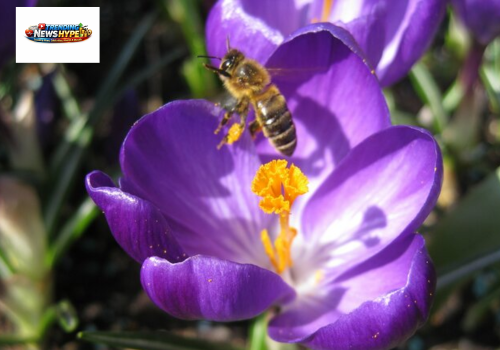
Early flowers help bees recover after winter dormancy.
Recommended plants:
- Crocus
- Snowdrops
- Tulips
Summer
Summer is the peak pollinator season.
Recommended plants:
- Lavender
- Coneflower
- Bee balm
- Catmint
- Zinnias
Fall
Late-season nectar sources help pollinators prepare for colder months.
Recommended plants:
- Goldenrod
- Sedum
- Asters
Staggering bloom times ensures a continuous food supply from spring through autumn.
Supporting Pollinators Beyond Flowers
Creating a pollinator habitat involves more than planting flowers.
Additional ways to support pollinators include:
- Preserving natural areas
- Planting native trees and shrubs
- Leaving some leaf litter for nesting insects
- Installing bee hotels
- Creating butterfly-friendly habitats
- Reducing lawn space in favor of flowering plants
These features increase biodiversity and improve the resilience of local ecosystems.
Benefits of Pollinator Gardens
Pollinator-friendly gardens provide rewards beyond beautiful flowers.
Benefits include:
- Increased fruit and vegetable yields
- Improved plant health
- Greater biodiversity
- Enhanced wildlife habitat
- Reduced reliance on chemical interventions
- More vibrant and colorful outdoor spaces
The constant activity of bees and butterflies also creates a dynamic and enjoyable gardening experience.
Frequently Asked Questions
What flowers attract the most bees?
Lavender, bee balm, salvia, catmint, and coneflowers are among the most effective flowers for attracting bees due to their abundant nectar and pollen.
What plants attract butterflies naturally?
Milkweed, zinnias, asters, lantana, and butterfly-friendly native wildflowers are excellent choices for attracting butterflies.
Are native plants better for pollinators?
Yes. Native plants have evolved alongside local pollinator species and often provide superior food and habitat resources.
Should pollinator gardens use pesticides?
Avoid chemical pesticides whenever possible. Organic gardening practices are safer for bees, butterflies, and other beneficial insects.
Can pollinator gardens work in small spaces?
Absolutely. Container gardens, balconies, patios, and small garden beds can all support pollinators when planted with nectar-rich flowers.
Conclusion
Creating a garden that attracts pollinators like bees and butterflies is one of the most rewarding ways to support local wildlife while enhancing your outdoor space. By planting nectar-rich flowers, incorporating native species, providing water and shelter, and avoiding harmful chemicals, gardeners can create thriving habitats that benefit both pollinators and plants.
Popular choices such as lavender, milkweed, coneflowers, catmint, bee balm, and goldenrod provide beauty, color, and essential food sources throughout the growing season. With thoughtful planning and a diverse selection of blooms, any garden can become a vibrant sanctuary filled with the movement and life of beneficial pollinators.
For more ideas on maximizing small outdoor spaces, explore our Best Plants for Small Garden Spaces guide and discover plants perfectly suited for patios, balconies, and compact gardens.

Pingback: Best Plants for Small Garden Spaces - trendingnewshype.com
Pingback: 10 Common Plant Care Mistakes and How to Avoid Them - trendingnewshype.com
Pingback: Best Herbs to Grow at Home - trendingnewshype.com