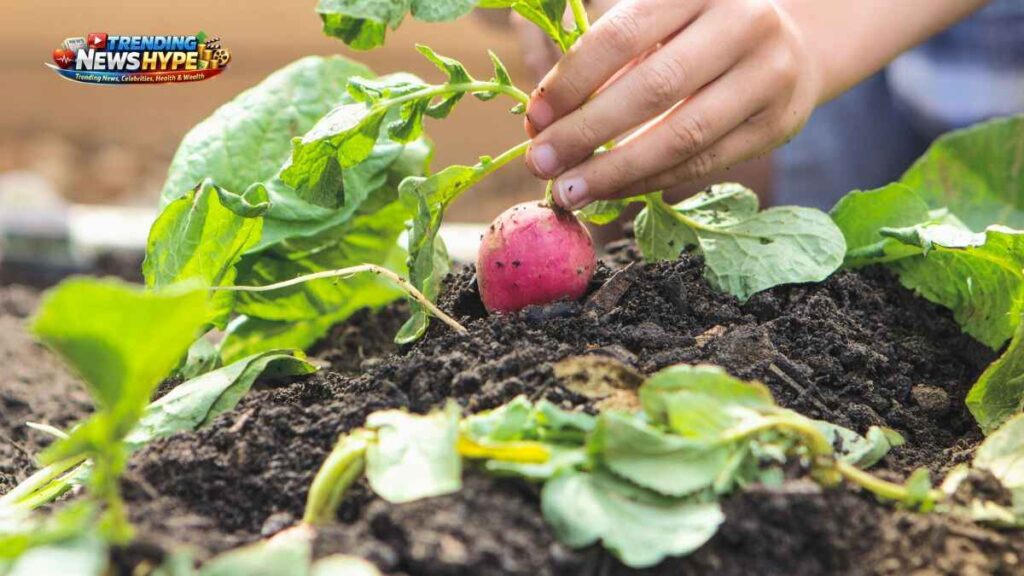
There are days when everything feels heavier than usual. You may wake up without energy, lose interest in things you normally enjoy, or sit quietly while your mind keeps replaying the same worries. On days like these, even simple tasks can feel difficult. This topic is about How Plants Can Change Your Mood When You Feel Sad.
What are the best indoor plants for beginners, and how do I care for them?
A plant will not magically solve every problem. It cannot replace emotional support, rest, or professional help when you need it. But having something green and alive nearby can make a room feel calmer, softer, and less empty.
How Plants Can Change Your Mood When You Feel Sad
A few years ago, I would have thought of houseplants as decoration—something people bought to make their homes look better in photos. But the real value of plants is not only how they look. It is also the routine they create, the attention they require, and the quiet sense of progress they bring into everyday life.
When you water a plant, notice a new leaf, or move it closer to sunlight, you are participating in something simple and positive. You are caring for life, even on a day when caring for yourself feels difficult.
Why a Green Space Feels Different
Compare two rooms.
The first room has plain walls, closed curtains, artificial lighting, and no natural elements. The second room has sunlight coming through the window, a small plant on the table, and perhaps a larger plant standing in the corner.
Even when the furniture is the same, the second room often feels more comfortable.
Plants break up hard surfaces and empty spaces. Their leaves add natural shapes that make a room feel less cold. Green is also a visually restful color for many people, especially after spending hours looking at phones, laptops, televisions, and bright indoor lighting.
You do not need to turn your home into a jungle to feel this effect. One healthy plant placed where you regularly see it can make a noticeable difference.
A pothos hanging near a window, a snake plant beside your bed, or a small succulent on your work desk can create a visual pause during a stressful day.
Sometimes that pause is exactly what you need.
Plants Give You a Reason to Slow Down
Sadness can make time feel strange.
You may spend an hour scrolling through social media without realizing it. You may move from one video to another while feeling worse instead of better. The mind stays busy, but nothing feels satisfying.
Looking after plants creates a different kind of activity.
You have to stop and observe.
Is the soil dry?
Are the leaves turning yellow?
Is the plant leaning toward the light?
Does it need a larger pot?
These questions are simple, but they bring your attention back to the present moment. Instead of thinking about something that happened yesterday or worrying about what may happen tomorrow, you focus on what is directly in front of you.
This is one reason plant care can feel calming. It gives your hands something gentle to do while allowing your mind to slow down.
Watering a few plants may take only five minutes, but those five minutes can interrupt a negative thought pattern.
Watching Something Grow Creates Hope
One of the most satisfying parts of keeping plants is noticing new growth.
At first, it may look like a tiny green point near the stem. A few days later, it begins to open. Eventually, it becomes a full leaf.
Nothing about the process is dramatic. Plants grow quietly.
That is part of what makes them comforting.
When you feel sad, it is easy to believe that nothing is improving. A growing plant provides visible evidence that change can happen gradually, even when you cannot see progress every day.
You may water a plant for weeks without noticing much. Then one morning, a new leaf appears.
The lesson is simple: progress is not always immediate, but that does not mean nothing is happening.
This idea can apply to your own life as well. Healing, learning, building confidence, and changing habits often happen slowly. A plant becomes a small reminder to stay patient.
Caring for Plants Can Restore a Sense of Purpose
Sadness sometimes comes with a feeling of uselessness.
You may feel as though your actions do not matter. You may stop following your normal routine because everything seems unimportant.
A plant depends on regular care. It needs light, water, suitable soil, and occasional attention. Knowing that something relies on you can create a small sense of responsibility.
This responsibility should not feel stressful. Start with easy plants that can handle occasional neglect. The goal is to create a gentle routine, not another source of pressure.
For example, checking your plants every Sunday morning can become part of your weekly reset. You can open the curtains, check the soil, remove dry leaves, and rotate the pots so each side receives light.
It is a simple routine, but it gives structure to your day.
When sadness makes life feel disorganized, small routines can help you regain a sense of control.
Best Plants for Beginners
Buying the wrong plant is one of the fastest ways to lose motivation.
A beautiful plant may look perfect in a shop, but it may require more humidity, sunlight, or attention than your home can provide. When it starts dropping leaves, you may think you are bad at caring for plants.
Usually, the problem is not you. The plant simply does not match the environment.
Here are a few beginner-friendly options.
Pothos
Pothos is one of the easiest houseplants to grow. It can tolerate different lighting conditions and does not need daily care.
Its vines can grow along a shelf, hang from a basket, or climb a support. Watching the vines become longer makes it especially rewarding.
Allow the top layer of soil to dry before watering again. Constantly wet soil can damage the roots.
Snake Plant
The snake plant is a good choice for bedrooms, offices, and darker corners. It has tall, upright leaves and does not take up much floor space.
It stores water in its leaves, so it can survive if you forget to water it occasionally.
The most common mistake with snake plants is watering them too often. It is usually safer to let the soil dry properly between waterings.
Spider Plant
Spider plants grow quickly and often produce small baby plants that hang from long stems.
These baby plants can be separated and placed in their own pots. This makes the plant enjoyable for beginners because you can easily see its progress.
Spider plants usually prefer bright, indirect light and slightly moist soil.
Aloe Vera
Aloe vera has thick leaves and works well in bright rooms. It does not need frequent watering because it stores moisture in its leaves.
Place it near a sunny window and use a pot with a drainage hole.
Avoid watering it on a strict calendar. Check the soil first.
ZZ Plant
The ZZ plant has shiny, dark green leaves and can handle lower-light spaces. It grows slowly but is extremely forgiving.
It is suitable for people who travel frequently or forget to water their plants.
As with snake plants, too much water is a bigger danger than too little.
Before buying any plant, check whether it is safe around your pets. Some popular houseplants can be harmful if cats or dogs chew their leaves.
How to Create a Mood-Lifting Plant Corner
You do not need a large room or expensive furniture. A small corner can become a calm, green space with a few thoughtful choices.
Step 1: Choose a Place You Use Every Day
Put your plants somewhere visible.
A plant hidden in an unused room will not have much effect on your daily mood. Choose a spot near your desk, bed, reading chair, or kitchen table.
Make sure the location also provides suitable light.
Step 2: Start With One or Two Plants
Do not buy ten plants during your first shopping trip.
It is easy to become excited after seeing beautiful plant collections on Instagram, Pinterest, or YouTube. But caring for too many plants can quickly become overwhelming.
Start with one easy plant. Learn how it responds to your home. Add another plant later when you feel comfortable.
Step 3: Use Pots With Drainage
A decorative pot may look attractive, but drainage is more important.
When extra water cannot escape, it stays around the roots and can cause damage. Use a pot with holes at the bottom and place a tray underneath it.
You can also keep the plant in its plastic nursery pot and place that inside a decorative cover pot.
Step 4: Add Soft Lighting
Natural light is ideal during the day, but a small warm lamp can make the plant corner feel peaceful in the evening.
Avoid placing sensitive plants directly under strong heat or extremely bright artificial lights.
The goal is to create a relaxing space where you can sit for a few minutes, read, drink tea, or simply breathe.
Step 5: Keep the Area Simple
A plant corner does not need many decorations.
One or two plants, a comfortable chair, and a clean surface may be enough. Too many objects can create visual clutter, especially when you already feel mentally overwhelmed.
Let the plants be the main feature.
A Simple Plant-Care Routine for Difficult Days
There will be days when you do not have the energy to perform a full plant-care routine.
That is normal.
Use this simple five-minute method:
First, open the curtains or blinds to let natural light into the room.
Next, touch the top of the soil in each pot. Water only the plants that are actually dry.
Remove any dead or completely yellow leaves.
Turn each pot slightly so the plant grows more evenly toward the light.
Finally, sit near the plants for one minute without checking your phone.
You do not have to meditate or force yourself to feel positive. Just notice the shape of the leaves, the texture of the soil, or the way the light falls across the plant.
The purpose is not to escape your emotions. It is to give your mind a quiet place to rest.
Common Plant-Care Mistakes That Can Cause Frustration
Plants can improve your space, but struggling to keep them alive can have the opposite effect. Most beginner problems come from a few simple mistakes.
Watering Too Much
Many people assume that a sad-looking plant needs more water.
That is not always true.
Yellow leaves, weak stems, and soft roots can be signs of overwatering. Before adding water, push your finger a few centimeters into the soil. When it still feels damp, wait.
Plant-care apps such as Planta, Greg, or PictureThis can send reminders, but do not follow reminders blindly. Your plant’s soil and environment are more reliable than a fixed schedule.
Choosing Plants Only for Their Appearance
A plant may look amazing in a shop but struggle in your home.
Before buying it, check its light requirements. A sun-loving plant will not be happy in a dark hallway. A shade-tolerant plant may burn beside a strong afternoon window.
Choose plants for your actual space, not the home you wish you had.
Moving Plants Constantly
Plants need time to adjust.
Moving a plant from one room to another every few days can expose it to changing light, temperature, and airflow. Find a suitable location and give it time before deciding that the spot is not working.
Expecting Every Leaf to Look Perfect
Real plants develop marks.
Older leaves turn yellow. Tips may become brown. A leaf may grow at an unusual angle. This does not always mean the plant is dying.
Online plant photos often show carefully selected, professionally styled plants. Your plant does not need to look perfect to be healthy.
Treating Plant Care Like a Competition
It is easy to compare your small collection with people who own hundreds of plants.
Remember that the goal is not to impress anyone. The goal is to create a space that feels better for you.
One healthy plant that brings you comfort is more valuable than twenty neglected plants bought for social media photos.
Plants Can Support Your Mood, but They Are Not a Cure
It is important to be realistic.
Plants may help make your room calmer. Caring for them may give you a useful routine, reduce screen time, and create moments of quiet attention. However, they cannot solve serious emotional distress on their own.
When sadness continues for a long time, affects your sleep, prevents you from functioning normally, or makes you feel unsafe, speak with someone you trust or contact a qualified mental health professional.
Reaching out for support is not a failure. It is another form of care.
Think of plants as one helpful part of a healthier environment. They can sit alongside good sleep, regular movement, nourishing food, time outdoors, meaningful conversations, and professional support when needed.
The Smallest Leaf Can Change a Room
You do not need an expensive indoor garden.
You do not need rare plants, designer pots, or special equipment.
Start with one plant that suits your room and your routine. Place it somewhere you will see it every day. Learn when it needs water. Notice how it changes over time.
Some days, it may simply be a green object in the corner.
On other days, it may give you a reason to open the curtains, stand up, touch the soil, and pay attention to something outside your thoughts.
That small action may not remove sadness completely, but it can make the moment feel lighter.
Sometimes feeling better does not begin with a major life change. Sometimes it begins with a quiet room, a little sunlight, and a new leaf slowly unfolding.