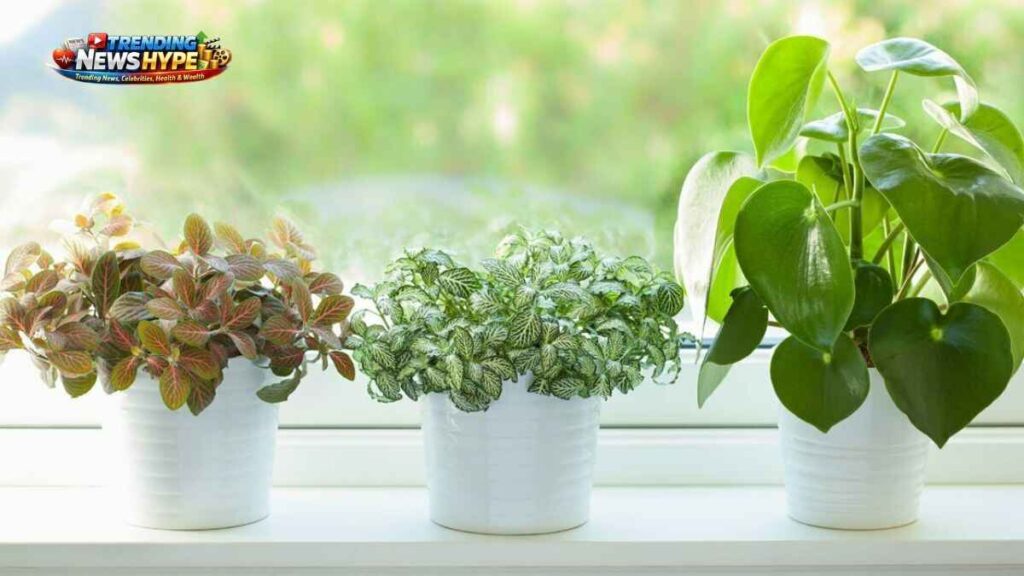
There is real science behind it. Researchers have spent decades studying how indoor plants interact with the air around us, and several studies suggest that certain species can help remove pollutants under controlled conditions. One of the earliest and most widely cited studies was conducted by NASA in 1989. NASA was trying to figure out how to keep air clean inside space stations, where astronauts cannot simply open a window.
Working with the Associated Landscape Contractors of America, researchers tested common houseplants in sealed chambers containing chemicals such as benzene, formaldehyde, and trichloroethylene.
Many plants absorbed measurable amounts of these compounds, making the NASA Clean Air Study an important starting point for research into biological air filtration. Read More About How to Compost Kitchen Waste at Home.
More recent studies have provided additional context. A 2024 study published in Scientific Reports tested 13 indoor plant species for their ability to absorb benzene under different concentration levels and found that several species performed well under laboratory conditions.
A 2022 review published in Frontiers in Sustainable Cities also concluded that indoor plants can help reduce concentrations of some air pollutants and may serve as a cost-effective supplement to other indoor air quality strategies.
Researchers also point out that most laboratory studies, including NASA’s, were conducted in small sealed environments rather than typical homes with natural airflow and ventilation. This means that while plants can contribute to cleaner indoor environments, they are unlikely to replace good ventilation or mechanical air purifiers.
The honest answer is that plants help. They are not a replacement for ventilation or an air purifier, but they do make indoor spaces more pleasant, can slightly improve humidity levels, and may contribute to better indoor air quality. Here are the 10 best ones to keep at home.
1. Peace Lily (Spathiphyllum)
The peace lily is arguably the strongest plant on this list when it comes to air cleaning. NASA’s 1989 study tested it against all 6 chemicals, and it removed every single one of them: benzene, formaldehyde, trichloroethylene, xylene, toluene, and ammonia. That is a rare result that no other plant in the study matched.
For benzene specifically, peace lilies absorbed up to 79.5% of the toxin from the test chamber. They also removed 23% of trichloroethylene in just 24 hours, which was the highest single-day rate recorded among all plants tested.
According to controlled laboratory studies, peace lilies have demonstrated a strong capacity to remove certain indoor pollutants, although results can vary significantly depending on room size, ventilation, and environmental conditions. In terms of care, peace lilies are forgiving.
They do not need much sunlight and will actually tell you when they need water by drooping slightly. One thing to note: they are toxic to cats and dogs, so keep them out of reach of pets.
2. Snake Plant (Sansevieria trifasciata)
The snake plant goes by a few names. Some people call it mother-in-law’s tongue because of its sharp, pointed leaves. Others call it the bedroom plant because of a unique quality: unlike most plants that only produce oxygen during the day, the snake plant continues releasing oxygen at night. This makes it especially useful in bedrooms where air circulation tends to be lower during sleep hours.
In NASA’s clean air study, the Laurentii variety of the snake plant absorbed benzene, formaldehyde, and trichloroethylene. A June 2024 benzene study published in Scientific Reports ranked it among the top performers for benzene purification per unit of leaf area, meaning even a small plant punches above its weight. It needs water only once every 2 to 3 weeks and thrives in low light, which makes it one of the easiest plants to keep alive.
3. Spider Plant (Chlorophytum comosum)
If you are new to plants, the spider plant is where to start. It is nearly impossible to kill, grows fast, and even produces little offshoots that you can pot separately and give to friends.
NASA’s preliminary tests found that spider plants removed 95% of formaldehyde from a sealed chamber in just 24 hours. That number got a lot of attention when the study came out, and it still holds up today. Spider plants are also effective at removing carbon monoxide from the air. They are completely safe for pets and children, which is a big plus for families. Under controlled conditions, researchers have confirmed that 1 spider plant can continuously remove formaldehyde even after the initial exposure, not just in a one-time burst.
4. Dracaena
The dracaena family includes several varieties, and the numbers from NASA’s study are worth paying attention to. The red-edged dracaena, known as Marginata, removed up to 80% of benzene from the test chamber.
The green variety called Janet Craig removed 77.6% of benzene. The striped Warneckei variety removed roughly 50% of both benzene and formaldehyde. These are some of the highest toxin-removal percentages in the entire NASA study.
Dracaena plants grow quite tall over time, which makes them a good fit for corners and larger rooms. They do not need much water, but they are sensitive to fluoride in tap water. If the leaf tips start turning brown, switch to filtered water, and you should see improvement within a few weeks.
5. Golden Pothos (Epipremnum aureum)
Golden pothos is one of the most popular houseplants in the world, and for good reason. It has bright, trailing vines that look great hanging from shelves or climbing up a support. More importantly, it removes 4 major toxins from indoor air: benzene, formaldehyde, carbon monoxide, and xylene.
Golden pothos is widely recommended by horticultural experts and indoor gardening enthusiasts because it adapts well to low light and irregular watering. Its resilience makes it one of the easiest houseplants for beginners to maintain. The only downside is that it is toxic to pets if eaten, so place it somewhere out of reach if you have cats or dogs at home.
6. Boston Fern (Nephrolepis exaltata)
The Boston fern is one of the best plants specifically for removing formaldehyde from indoor air. Formaldehyde is more common in homes than most people realize. It is present in furniture, flooring, adhesives, and building materials.
If you have recently moved into a new home or bought new furniture, formaldehyde levels can stay elevated for several months. Having a Boston fern nearby helps reduce that exposure passively.
Beyond air purification, Boston ferns are also natural humidifiers. They release moisture into the air through transpiration, which can be genuinely helpful in dry climates or during winter when indoor air gets very dry.
Research has described the Kimberly Queen variety as one of the most effective natural humidifiers available as a houseplant. They do need regular watering and indirect light to stay healthy.
7. Bamboo Palm (Chamaedorea seifrizii)
If you want a tropical feel in your living room while also cleaning the air, the bamboo palm is a strong choice. NASA included it in their study and found it effective at removing formaldehyde, benzene, and trichloroethylene. It is one of the larger plants on this list and can grow 4 to 6 feet tall indoors over time.
NASA scientists calculated that for an average home of about 167 square meters, you would need 15 to 18 air-purifying plants in medium-sized containers to make a measurable difference in air quality. A couple of bamboo palms count toward that number in a meaningful way because of their size and leaf surface area. They prefer bright indirect light and weekly watering.
8. Rubber Plant (Ficus elastica)
The rubber plant has large, waxy, dark green leaves and grows well indoors with minimal care. It appeared in NASA’s clean air study as an effective absorber of formaldehyde, and the reason comes down to simple biology: more leaf area means more surface through which the plant can absorb airborne chemicals.
Research from Frontiers in Sustainable Cities confirmed that Ficus species, including the rubber plant’s close relative Ficus benjamina, are among the more reliable plant species for reducing indoor air pollutants. The 2022 study found that Ficus benjamina could reliably reduce concentrations of several volatile organic compounds in enclosed indoor spaces. Rubber plants prefer bright indirect light and need watering only when the top inch of soil feels dry to the touch.
9. Aloe Vera
Aloe vera is most famous as a skin remedy, but it also has real air-cleaning properties, particularly for formaldehyde and benzene. What makes aloe vera stand out from the others on this list is that it acts as a natural indicator.
When the concentration of harmful chemicals in the air gets too high, brown spots begin appearing on the leaves. It is essentially a living air quality monitor.
Aloe vera needs sunlight and very little water. It stores water in its thick leaves, so overwatering is actually the most common reason people lose this plant.
Aloe vera plant on a sunny windowsill is one of the lowest-effort, highest-return additions you can make to a home. Aloe vera is an efficient photosynthesizing plant under bright light conditions, although oxygen production can vary depending on growing conditions and plant size.
10. English Ivy (Hedera helix)
English ivy might surprise you on this list since most people think of it as an outdoor climbing plant. But indoors, it is a strong air purifier. Studies have shown that English ivy can reduce airborne mold spores by up to 60% over 12 hours in enclosed spaces, which is something most other plants on this list do not specifically target. This makes it particularly useful in bathrooms or damp rooms where mold tends to build up.
English ivy is a trailing plant that looks elegant in hanging baskets. It prefers cooler temperatures and indirect light. Keep it away from pets and small children, as it can irritate if ingested.
How Many Plants Do You Actually Need?
This is the most common question people ask, and the honest answer is: more than you might think. NASA’s general recommendation was at least 1 plant per 100 square feet of home or office space.
The UAE-based research published in Frontiers in Built Environment put the number at 15 to 18 plants in 18 to 24 cm containers for an average 167-square-meter home, which works out to roughly 1 plant per every 9 square meters of floor space.
A couple of plants will not transform your air quality on their own, but they will contribute to it. Combined with good ventilation, regular cleaning, and avoiding products with strong chemical fumes, a collection of plants from this list genuinely helps create a healthier indoor environment.
However, when combined with proper ventilation, regular cleaning, and reducing exposure to chemical pollutants, they can contribute to a healthier and more pleasant indoor environment. In addition to their potential environmental benefits, many people enjoy keeping plants for their aesthetic value and positive effects on mood and well-being.
Quick Care Summary
| Plant | Key Data Point | Light | Water |
|---|---|---|---|
| Peace Lily | Removes all 6 tested toxins, 79.5% benzene removal | Low to medium | Weekly |
| Snake Plant | Top benzene absorber per leaf area (2024 study) | Low | Every 2-3 weeks |
| Spider Plant | 95% formaldehyde removed in 24 hours | Indirect | Weekly |
| Dracaena | Up to 80% benzene removed (Marginata variety) | Indirect | Weekly |
| Golden Pothos | Removes 4 toxins, thrives in low light | Low to bright | Weekly |
| Boston Fern | Best for formaldehyde and humidity | Indirect | Frequent |
| Bamboo Palm | Counts significantly toward 15-18 plant target | Bright indirect | Weekly |
| Rubber Plant | Large leaf area, confirmed VOC reduction | Bright indirect | Every 1-2 weeks |
| Aloe Vera | Visual air quality indicator, 9x oxygen in sunlight | Direct sun | Every 2-3 weeks |
| English Ivy | Up to 60% mold spore reduction in 12 hours | Indirect | Weekly |
Faqs:
Q: Which indoor plants purify the air the most?
The top performers based on NASA’s Clean Air Study are the Peace Lily, Spider Plant, and Dracaena. The Peace Lily is the most well-rounded. It removed all 6 chemicals tested in the NASA study, including benzene, formaldehyde, trichloroethylene, xylene, toluene, and ammonia. No other plant matched that result. For benzene alone, it absorbed 79.5% from the test chamber. The Spider Plant removed 95% of formaldehyde from a sealed chamber within just 24 hours, one of the fastest single-toxin removal rates recorded. Dracaena Marginata removed up to 80% of benzene. A 2024 study in Scientific Reports also ranked the Snake Plant among the top performers for benzene purification per unit of leaf area, meaning even a small plant does meaningful work.
Q: What plant removes 78% of airborne mold?
English Ivy is the plant most associated with reducing airborne mold spores. Studies have shown it can reduce mold spore counts in enclosed spaces by up to 60% within 12 hours, making it one of the few houseplants specifically tested for mold reduction. It works best in bathrooms, basements, or any damp room where mold tends to build up. The Peace Lily also absorbs airborne mold spores as part of its broader air-cleaning ability. If you have a humidity or mold problem at home, a combination of English Ivy near the moisture source and a Peace Lily in the main living space is a practical and low-cost approach.
Q: What is the NASA Clean Air Study?
The NASA Clean Air Study was published in 1989 by NASA scientist Dr. Bill Wolverton in partnership with the Associated Landscape Contractors of America. NASA’s original goal was practical. Astronauts on space stations have no way to open a window, so they need natural ways to keep air clean in sealed environments. The study tested about 12 common houseplants against 6 toxic chemicals, including benzene, formaldehyde, trichloroethylene, xylene, toluene, and ammonia, inside small sealed chambers and measured how much of each toxin the plants removed over time.
The results showed that certain plants could absorb significant percentages of these chemicals, and NASA recommended at least 1 plant per 100 square feet of home or office space based on the findings. One important note: the tests were done in sealed chambers, not in normal homes with open windows. In real-world conditions with regular airflow, research suggests you would need around 15 to 18 medium-sized plants per 167 square meters to see a similar effect in everyday living spaces.
Q: What is the best air purifier for COPD?
For COPD, doctors and pulmonologists consistently recommend air purifiers with a true HEPA filter as the minimum requirement. A true HEPA filter removes 99.97% of airborne particles down to 0.3 microns in size, including dust, pollen, pet dander, mold spores, and fine particulate matter, all of which can aggravate COPD symptoms. Look for units that also include an activated carbon layer, which handles gases, odors, and VOCs that HEPA alone cannot catch.
The CADR rating tells you how quickly a unit cleans a room, and for COPD patients, it is important to choose a purifier with a CADR rating that matches or slightly exceeds your room size. Always avoid purifiers that produce ozone as a byproduct since ozone is a known lung irritant that makes COPD worse. Plants alone are not a reliable substitute for an air purifier if you have COPD. The best approach is to use a quality HEPA purifier as your primary tool and add plants like Peace Lily or Snake Plant as a natural complement.
Final Thoughts
You do not need to turn your living room into a jungle to enjoy the benefits of air-purifying plants. Start with 2 or 3 from this list, pick ones that suit your lifestyle and light conditions, and build from there.
Science is real, even if it comes with limitations, and living with plants brings benefits that go well beyond just air quality, including lower stress, better mood, and a home that simply feels more alive.
If you have pets, start with spider plants and Boston ferns. If you have a sunny window and not much time, aloe vera and snake plants are your best options. And if you want the single most effective air-cleaning plant you can own, a peace lily in a bright corner is hard to beat. Read Related Articles: Natural Fertilizers for Plants at Home.