
A sun-drenched garden is one of the most rewarding spaces to grow, if you choose the right plants. In this article, we round up the top flowering plants for full sun, covering the most colourful, hardy, and low-maintenance varieties that thrive in direct sunlight all day long.
From vibrant marigolds and lavender to striking black-eyed Susans and coneflowers, every plant on this list is tried, tested, and beautiful. Whether you’re planting borders, beds, or containers, this guide helps you build a garden that blooms all season. Read More: Easy Fruit Trees to Grow in Small Gardens
The Reason to Prefer Full Sun Flowering Plants?
Full-sun plants are necessary when gardeners want:
- Colorful long-lived flowers: Those plants that are sun-lovers will bear brighter and more numerous flowers when in full sunshine.
- Low maintenance: There is a variety of sun-tolerant plants, which are drought-resistant and do not need to be watered as often.
- Gardens that appeal to pollinators: Coneflowers, marigolds, and sunflowers are some of the flowers that attract bees, butterflies, and hummingbirds.
- Diversity in the design of gardens: It is possible to plant full sun in a bed, a border, containers, and even in rooftop gardens.
With these plants, you will be able to keep your garden looking colorful and alive all spring through fall.
Best Flowering Plants for Full Sun in 2026
Flowering plants that thrive in full sun are excellent choices for creating colorful, vibrant, and pollinator-friendly gardens. These plants flourish with at least 6 to 8 hours of direct sunlight daily and often produce abundant blooms throughout the growing season. Whether you’re planting garden beds, borders, or containers, choosing the right sun-loving flowers can transform your outdoor space into a beautiful and low-maintenance landscape.
In 2026, gardeners continue to favor flowering plants that offer long-lasting color, drought tolerance, and support for beneficial pollinators such as bees, butterflies, and hummingbirds. This guide explores some of the best annual and perennial flowering plants for full sun and provides practical growing tips to help your garden thrive.
Annual Flowers for Full Sun
Annual flowers complete their life cycle in one growing season but reward gardeners with vibrant blooms from spring through fall.
Marigolds
Marigolds are among the easiest flowers to grow in sunny locations. Their bright yellow, orange, and gold blooms add cheerful color to flower beds, borders, and containers. Marigolds are also known for helping deter certain garden pests, making them a useful companion plant for vegetables.
- Bloom Time: Spring through fall
- Height: 6–36 inches
- Best For: Borders, containers, vegetable gardens
Type: Annual, USDA Zones: 2 to 11 (grown as an annual in all zones), Bloom Duration: 12 to 16 weeks, or until first frost Height:
Zinnias
Zinnias are popular annual flowers that thrive in hot, sunny conditions. Available in a wide range of colors, they bloom continuously when regularly deadheaded. Their long-lasting flowers also make excellent cut flowers. For more tips on modern gardening techniques, explore our full guide on Hydroponic Gardening for Beginners to make soil‑free growing easy and productive.
- Bloom Time: Summer through fall
- Height: 1–4 feet
- Best For: Cutting gardens, flower beds, pollinator gardens
Type: Annual, USDA Zones: 2 to 11 (grown as an annual in all zones), Bloom Duration: 10 to 14 weeks
Sunflowers
Sunflowers are iconic sun-loving plants known for their tall stems and large, bright yellow blooms. They are easy to grow and can even be cultivated in containers if compact varieties are selected. Sunflowers attract birds and provide nutritious seeds.
- Bloom Time: Summer to early fall
- Height: 2–12 feet, depending on variety
- Best For: Garden focal points, wildlife gardens
Type: Annual, USDA Zones: 2 to 11 (grown as an annual in all zones), Bloom Duration: 8 to 12 weeks, depending on variety.
Petunias
Petunias are versatile annuals that produce abundant blooms in a wide range of colors. They perform best in full sun and well-drained soil, making them ideal for flower beds, hanging baskets, and containers.
- Bloom Time: Spring through fall
- Height: 6–18 inches
- Best For: Containers, hanging baskets, borders
Type: Annual, USDA Zones: 2 to 11 (grown as an annual in all zones), Bloom Duration: 16 to 20 weeks.
Perennial Flowers for Full Sun
They return year after year, providing long-term beauty with relatively little maintenance once established.
Coneflowers (Echinacea)
Coneflowers are hardy perennials that produce daisy-like blooms in shades of pink, purple, white, and orange. They are drought-tolerant, attract butterflies and bees, and resist many common plant diseases.
- Bloom Time: Summer through fall
- Height: 2–4 feet
- Best For: Pollinator gardens, naturalized landscapes
Type: Perennial, USDA Zones: 3 to 9, Bloom Duration: 10 to 14 weeks.
Lavender
Lavender is a fragrant perennial herb that thrives in full sun and well-drained soil. Its purple flower spikes attract pollinators, while its leaves and flowers can be used in culinary, decorative, and herbal applications.
- Bloom Time: Late spring through summer
- Height: 1–3 feet
- Best For: Herb gardens, borders, containers
Type: Perennial, USDA Zones: 5 to 9, Bloom Duration: 6 to 10 weeks.
Black-Eyed Susans
Black-Eyed Susans feature bright yellow petals surrounding dark central cones. These resilient flowers tolerate heat, drought, and poor soil conditions while providing months of vibrant color.
- Bloom Time: Summer through fall
- Height: 2–3 feet
- Best For: Cottage gardens, pollinator gardens
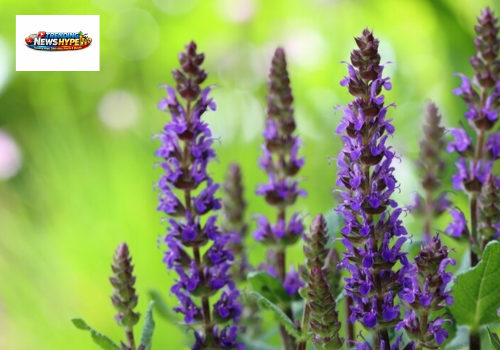
Salvia
Salvia produces striking flower spikes in shades of blue, purple, pink, and red. It attracts bees, butterflies, and hummingbirds while requiring minimal maintenance once established.
- Bloom Time: Late spring through fall
- Height: 1–5 feet, depending on variety
- Best For: Borders, containers, pollinator gardens
Type: Perennial (some varieties are annual), USDA Zones: 4 to 10, depending on variety, Bloom Duration: 12 to 18 weeks.
Drought-Tolerant Flowering Plants for Sunny Gardens
Gardeners in hot climates or areas with limited rainfall can benefit from drought-resistant flowering plants that require less water while still producing beautiful blooms.
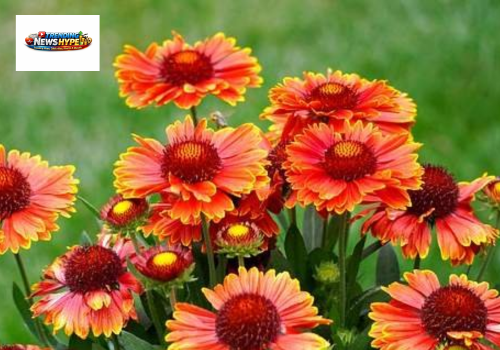
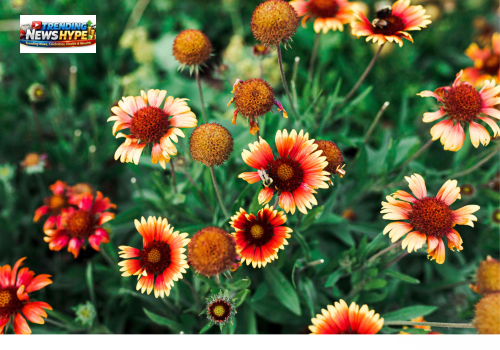
Gaillardia (Blanket Flower)
Gaillardia produces vibrant red, orange, and yellow blooms that resemble miniature sunsets. It thrives in hot, dry conditions and blooms for extended periods.
- Bloom Time: Summer through fall
- Height: 1–3 feet
Type: Perennial (some varieties are annual), USDA Zones: 3 to 10, Bloom Duration: 12 to 18 weeks.
Sedum (Stonecrop)
Sedum is a succulent perennial with fleshy leaves and clusters of star-shaped flowers. It is exceptionally drought-tolerant and suitable for rock gardens and dry landscapes.
- Bloom Time: Late summer through fall
- Height: 6 inches to 2 feet
Type: Perennial, USDA Zones: 3 to 9, Bloom Duration: 6 to 10 weeks.
Coreopsis
Coreopsis produces cheerful daisy-like flowers, often in bright yellow shades. It tolerates heat, drought, and poor soil while blooming prolifically.
- Bloom Time: Early summer through fall
- Height: 1–4 feet
Type: Perennial (some annual varieties), USDA Zones: 4 to 9, Bloom Duration: 14 to 20 weeks.
Agastache (Hummingbird Mint)
Agastache features aromatic foliage and spikes of colorful flowers that attract hummingbirds, butterflies, and bees. It performs exceptionally well in sunny, dry conditions.
- Bloom Time: Summer through fall
- Height: 2–4 feet
Type: Perennial, USDA Zones: 5 to 10, Bloom Duration: 10 to 14 weeks.
Watering and Drought Tolerance for Full Sun Gardens
One of the most critical factors for success with full-sun flowering plants is understanding their water needs, especially during the heat of summer. While many sun-loving plants develop drought tolerance once established, they still require consistent watering during their first growing season to develop strong, deep root systems.
Newly Planted Annuals and Perennials: Water deeply 2 to 3 times per week during the first four to six weeks. Shallow watering encourages surface roots, making plants more vulnerable to heat stress and drought.
Established Perennials: Once rooted in, most full-sun perennials such as coneflowers, black-eyed Susans, and salvia can tolerate a week or more without rain. A deep watering once or twice a week during prolonged dry spells is usually sufficient.
Drought-Tolerant Varieties: Plants such as lavender, sedum, gaillardia, and agastache are adapted to dry conditions and may only need supplemental watering during extreme heat waves. Overwatering these species can cause root rot.
Containers and Hanging Baskets: Plants in containers dry out far more quickly than those in the ground. During summer heat, daily watering is often necessary for petunias, zinnias, and marigolds grown in pots.
Best Watering Practices: Water at the base of plants rather than overhead to reduce the risk of fungal diseases. Morning watering is preferred, as it allows foliage to dry before evening. Applying a 2 to 3 inch layer of organic mulch around plants significantly reduces moisture loss from the soil.
Regional Planting Notes
Growing conditions vary significantly depending on your climate zone and geographic region. Selecting plants suited to your local conditions is one of the most effective ways to ensure success with minimal effort.
USDA Zones 3 to 5 (Cool Northern Climates): Gardeners in colder regions should focus on hardy annuals such as marigolds and zinnias, which can be direct-sown after the last frost date. Perennials such as coneflowers, black-eyed Susans, and salvia are excellent choices as they are reliably cold-hardy. Lavender may require winter protection in Zone 5 and below. Start seeds indoors 6 to 8 weeks before the last expected frost to extend the growing season.
USDA Zones 6 to 7 (Temperate Mid-Atlantic and Midwest): This range offers a long growing season well-suited to both annuals and perennials. Most plants listed in this guide perform reliably here. Gardeners can direct-sow seeds outdoors from mid-spring and enjoy blooms from late spring through autumn frost. Mulching helps moderate soil temperature during summer heat spikes.
USDA Zones 8 to 10 (Warm Southern and Western Climates): In hot southern states and the desert southwest, heat-tolerant and drought-resistant varieties are essential. Gaillardia, agastache, sedum, coreopsis, and salvia are particularly well-adapted. Some traditional annuals, such as petunias, may slow flowering during peak summer heat and then rebound in autumn. Gardeners in these zones may be able to grow lavender and salvia as true perennials year-round.
Pacific Northwest and Coastal Regions: While summers can be mild and cloudy, full-sun plants still perform well in this region during the warmer months. Lavender thrives in the Pacific Northwest’s relatively dry summers. Gardeners should choose varieties that tolerate cooler nights and occasional summer overcast, and ensure soil drainage is excellent, as the wet winters can cause root issues for drought-adapted plants.
UK and Northern European Gardens: Full sun in these climates typically means 6 or more hours of summer sun, but temperatures are generally milder than in North America. Lavender, salvia, black-eyed Susans, and coneflowers are excellent choices. wide drought-tolerant varieties perform well here due to the well-draining soils common in these regions.
Tips for Growing Flowering Plants in Full Sun
Choose Well-Drained Soil
Most sun-loving flowers thrive in soil that drains well. Incorporating compost improves fertility, supports healthy root development, and enhances moisture retention.
Water Consistently During Establishment
Even drought-tolerant plants require regular watering during their first growing season. Deep watering encourages roots to grow deeper and become more resilient.
Apply Mulch
Mulch helps retain soil moisture, regulate soil temperature, and suppress weed growth. Organic mulches also improve soil quality as they decompose.
Deadhead and Prune Regularly
Removing spent blooms encourages many flowering plants to produce additional flowers throughout the growing season and helps maintain a tidy appearance.
Practice Companion Planting
Combining flowers with herbs and vegetables can attract pollinators and beneficial insects while helping to deter certain pests naturally.
Combining Plants for a Full Sun Border
A well-planned full-sun border does more than display individual plants. It creates a layered, cohesive landscape that offers continuous color, varied texture, and year-round interest. The key is to combine plants thoughtfully, considering height, bloom time, and growth habit so that something is always in flower and taller plants never overshadow shorter ones.
The Three-Layer Approach
The most effective full-sun borders are built in three layers:
- Back of the border (tall plants): Use sunflowers, tall salvias, and agastache to create a backdrop. These plants reach 3 to 5 feet and provide vertical structure. In a large border, ornamental grasses can also anchor the rear.
- Middle layer (medium plants): Coneflowers, black-eyed Susans, gaillardia, and coreopsis sit naturally in the mid-border at 2 to 3 feet. These workhorses provide the bulk of color from midsummer onward.
- Front of the border (low-growing plants): Marigolds, petunias, sedum, and lavender work beautifully at the front edge, softening hard borders and spilling gently onto paths.
Combining for Continuous Bloom
A common mistake is planting too many varieties that peak simultaneously, leaving bare gaps earlier and later in the season. Pair plants that bloom in sequence to ensure ongoing color:
- Spring to early summer: Lavender and petunias get the season started with color while perennials are establishing.
- Midsummer: Zinnias, salvia, coneflowers, and black-eyed Susans take center stage and form the heart of the summer display.
- Late summer to fall: Sedum, agastache, gaillardia, and sunflowers carry color well into autumn, providing nectar for migrating pollinators.
Combining for Texture and Contrast
Color alone does not make a great border. Mixing plant textures keeps the planting dynamic throughout the season:
- Pair bold, daisy-like flowers such as coneflowers and black-eyed Susans with the fine, airy flower spikes of salvia and agastache.
- Contrast the broad leaves of sedum with the fine, needle-like foliage of lavender.
- Use sunflowers as dramatic focal points surrounded by mounding zinnias and low-growing marigolds.
A Sample Full Sun Border Planting Plan
For a border approximately 10 feet wide and 20 feet long, the following combination works well across Zones 5 to 8:
- Back row: 3 sunflowers (tall variety), 3 salvia (blue), 2 agastache
- Middle row: 4 coneflowers (pink), 4 black-eyed Susans, 3 gaillardia
- Front row: 5 marigolds, 4 petunias (mixed colors), 3 lavender
This layout provides roughly 16 to 20 weeks of continuous bloom and attracts a steady stream of pollinators from early summer through autumn.
Seasonal Blooming Guide
A combination of annuals and perennials ensures continuous color throughout the year.
Spring to Summer
- Petunias
- Marigolds
- Zinnias
- Lavender
Summer to Fall
- Sunflowers
- Coneflowers
- Black-Eyed Susans
- Salvia
- Agastache
Extended Bloomers in Warm Climates
- Coreopsis
- Sedum
- Gaillardia
This staggered planting approach keeps gardens colorful and attractive throughout the growing season.
Benefits of Growing Full-Sun Flowering Plants
- Adds vibrant color and visual appeal to outdoor spaces
- Attracts pollinators such as bees, butterflies, and hummingbirds
- Supports local biodiversity and ecosystem health
- Provides cut flowers for indoor arrangements
- Creates low-maintenance landscapes when drought-tolerant varieties are chosen
- Enhances curb appeal and property value
Frequently Asked Questions
What flowers grow best in full sun?
Some of the best flowering plants for full sun include marigolds, zinnias, sunflowers, petunias, coneflowers, lavender, black-eyed Susans, and salvia.
How many hours of sunlight is considered full sun?
Full sun generally means at least 6 to 8 hours of direct sunlight each day.
Which flowering plants are drought-tolerant
Gaillardia, sedum, coreopsis, lavender, salvia, and agastache are excellent drought-tolerant choices once established.
Can full-sun flowers grow in containers?
Yes. Petunias, marigolds, zinnias, lavender, and salvia perform very well in containers when planted in quality potting soil with proper drainage.
What flowers attract pollinators?
Coneflowers, lavender, salvia, agastache, zinnias, and sunflowers are especially attractive to bees, butterflies, and other beneficial pollinators.
Conclusion
Planting flowering plants for full sun is one of the most rewarding ways to create a vibrant, colorful, and pollinator-friendly garden. By combining annual favorites such as marigolds, zinnias, petunias, and sunflowers with reliable perennials like coneflowers, lavender, black-eyed Susans, and salvia, gardeners can enjoy continuous blooms throughout the growing season.
Adding drought-tolerant varieties such as gaillardia, sedum, coreopsis, and agastache further increases garden resilience during hot summers while reducing maintenance requirements. With proper soil preparation, regular watering during establishment, mulching, and occasional pruning, your full-sun garden can flourish year after year.
Whether you’re designing a flower bed, enhancing a landscape border, or creating a container garden, these sun-loving flowering plants will bring lasting beauty, support pollinators, and help create a healthy and thriving outdoor space in 2026 and beyond.

Pingback: Easy Fruit Trees to Grow in Small Gardens - trendingnewshype.com
Pingback: Hydroponic Gardening for Beginners - trendingnewshype.com