

Every season brings a fresh opportunity to fill a garden with color, fragrance, and life. Choosing the right plants at the right time of year makes a huge difference between a garden that blooms briefly and one that stays vibrant throughout the year.
This guide explores the best seasonal flowering plants for your garden in 2026, helping you understand what to plant in each season, how they grow, and how to maintain a garden that stays colorful all year long.
If you are new to gardening, you can also explore Plant Propagation for Beginners to learn simple methods like cuttings, division, and layering to grow healthy plants at home. Read More: Best Plants for Small Garden Spaces
Spring Flowering Plants
Spring is the season of renewal. As temperatures rise and soil becomes fertile, many plants begin to bloom naturally. Spring flowers generally prefer cool weather, moderate sunlight, and well-drained soil.
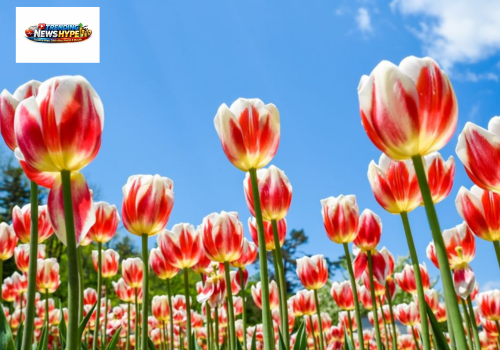
Tulips
Tulips are one of the most iconic spring flowers. They grow best in well-drained soil and require full sun to partial shade. Planting bulbs in autumn allows them to establish strong roots for spring blooming. In colder regions, planting slightly deeper improves growth and stability. Tulips come in a wide variety of colors and are ideal for decorative garden displays.

Daffodils
Daffodils are hardy, low-maintenance flowers that produce bright yellow blooms. They symbolize renewal and positivity. They grow best in well-drained soil and perform well when planted in groups for a stronger visual impact.
Primroses
Primroses thrive in shaded or partially shaded areas. They produce soft-colored blooms in pink, purple, yellow, and white. They are perfect for garden borders, edges, and containers.
Hyacinths
Hyacinths are highly fragrant flowers that bloom in early spring. They prefer sunny locations and fertile, well-drained soil. Their strong fragrance and vibrant colors make them a popular choice for mixed spring flower beds alongside tulips and daffodils.
Summer Flowering Plants
Summer flowers thrive in heat and sunlight. They are generally more resilient but require consistent watering and care during hot weather.
Marigolds
Marigolds are among the easiest flowers to grow in summer. They produce bright orange and yellow blooms and are known for their natural pest-repelling properties. They are ideal for garden borders, pathways, and containers.
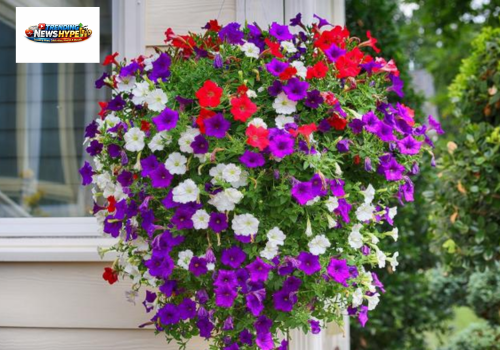
Petunias
Petunias are popular for their long blooming season and wide color range. They grow well in full sun and are commonly used in hanging baskets, window boxes, and flower beds. Regular watering helps maintain continuous flowering.
Zinnias
Zinnias are drought-tolerant flowers that thrive in hot climates. They attract butterflies and come in vibrant shades of red, pink, yellow, and white. Planting them in clusters creates a bold and colorful garden display.
Sunflowers
Sunflowers are tall, striking plants that follow the sun’s movement. They grow best in full sunlight and well-drained soil. They also attract pollinators and birds, supporting garden biodiversity.
Autumn Flowering Plants
Autumn gardens bring warm tones and soft seasonal transitions. Many flowers bloom as temperatures cool, extending garden beauty into late months. Read More: Plants That Attract Pollinators Like Bees and Butterflies
Chrysanthemums
Chrysanthemums, commonly known as mums, are classic autumn flowers. They bloom in shades of red, orange, yellow, and purple. They grow best in full sun and are widely used in garden beds and containers.
Asters
Asters produce daisy-like flowers in purple, pink, and white. They bloom in late summer and autumn and attract bees and butterflies, making them excellent for pollinator-friendly gardens.
Ornamental Kale and Cabbage
Although not true flowers, ornamental kale and cabbage add unique texture and color to autumn gardens. Their purple, pink, and white foliage creates a striking visual contrast.
Japanese Anemones
Japanese anemones bloom in late summer and autumn, producing elegant pink or white flowers on tall stems. They grow well in partial shade and moist soil.
Winter Flowering Plants
Even in winter, certain plants continue to bring life and color to the garden. These plants are hardy and can tolerate low temperatures and frost.
Camellias
Camellias are evergreen shrubs that produce beautiful flowers in winter. They prefer acidic soil and partial shade, making them ideal for sheltered garden areas.
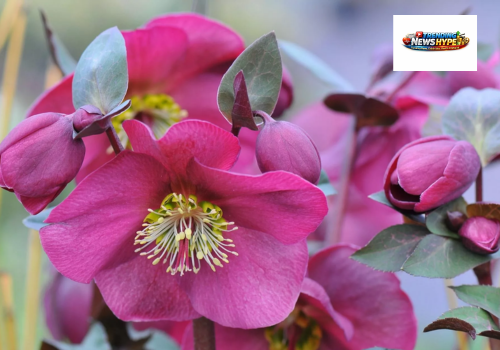
Hellebores
Hellebores, also known as Christmas roses, bloom during winter and early spring. They are strong, long-lasting plants that thrive in shaded, well-drained soil.
Winter Jasmine
Winter jasmine produces bright yellow flowers during late winter, bringing life to otherwise dull garden spaces. It is commonly grown on walls, fences, or trellises.
Pansies
Pansies are frost-tolerant flowers that bloom throughout winter. They are widely used in containers and borders due to their bright, multicolored petals.
Tips for a Year-Round Flowering Garden
A successful garden requires planning and consistency throughout the year.
- Plan your garden according to seasons for continuous blooming
- Improve soil quality using compost and organic fertilizers
- Adjust watering depending on weather conditions
- Use natural pest control methods like neem oil and companion planting
- Regularly deadhead flowers to encourage new growth
Conclusion
A seasonal garden in 2026 can stay beautiful all year if you choose the right plants for each season. From tulips in spring to hellebores in winter, every season offers unique opportunities to create color, fragrance, and life in your garden.
With proper planning and care, you can build a vibrant, pollinator-friendly, and eco-friendly garden that remains attractive throughout the year.
FAQs
What are the best seasonal flowering plants for a garden?
Some of the best seasonal flowering plants include tulips and daffodils for spring, marigolds and petunias for summer, chrysanthemums and asters for autumn, and camellias and pansies for winter.
How do I keep my garden blooming all year?
To keep your garden blooming year-round, plant flowers from different seasons, improve soil with compost, water according to weather conditions, and regularly remove dead flowers to encourage new growth.
Which flowers are easiest to grow for beginners?
Marigolds, sunflowers, zinnias, and pansies are some of the easiest flowers for beginners because they require low maintenance and adapt well to different conditions.
Can I grow seasonal flowers in pots or containers?
Yes, many seasonal flowers like petunias, primroses, marigolds, and pansies grow very well in containers as long as they have proper drainage and sunlight.
When should I plant seasonal flowers?
Spring flowers are usually planted in autumn, summer flowers in early spring, autumn flowers in late summer, and winter flowers in early autumn, depending on your climate.




Pingback: Best Plants for Small Garden Spaces - trendingnewshype.com
Pingback: 10 Common Plant Care Mistakes and How to Avoid Them - trendingnewshype.com
Pingback: Plants That Attract Pollinators Like Bees and Butterflies - trendingnewshype.com
Pingback: Top Flowering Plants for Full Sun - trendingnewshype.com