
Starting a HOUSE Garden for beginners may feel confusing at first, but it quickly becomes one of the most relaxing and rewarding hobbies anyone can enjoy. Learning how to start a home garden for beginners allows you to transform even a small space into a thriving green environment filled with healthy plants, vegetables, or flowers.
With the right guidance and simple step-by-step methods, anyone can build a successful garden from scratch without needing prior experience. This guide will walk you through everything you need to know to confidently begin your gardening journey and achieve long-lasting results. Read More: Best Plants for Office Decoration
1. Choose the Type of HOUSE Garden
Before planting anything, decide which type of garden suits your space and lifestyle.
Container Gardening
Ideal for balconies, rooftops, or small spaces. Plants grow in pots or containers and are easy to manage.
Raised Bed Gardening
Plants grow in soil-filled raised beds. This method improves drainage and makes gardening easier for beginners.
In-Ground Gardening
Best for large yards where plants grow directly in natural soil.
Vertical Gardening
Perfect for small spaces. Plants grow upward using walls, racks, or trellises. Beginners usually find container or raised bed gardening the easiest to manage.
Research from the Royal Horticultural Society found that raised bed gardening produces yields up to 4 times higher per square metre than traditional in-ground gardening, largely due to improved soil quality and drainage control.
Container gardening is the fastest to set up — a basic setup with three to five pots, quality potting mix, and beginner plants can be started for under $30. Vertical gardening is the most space-efficient method available: a single 1m² wall panel can support the equivalent of 4–6 ground-level plant positions.
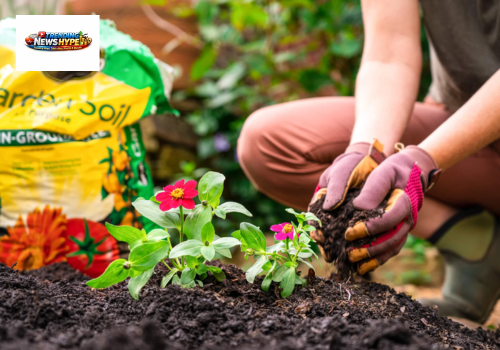
Select the Right HOUSE Garden
Choosing the right plants is key to success.
Consider:
- Your local climate
- Season (summer, winter, etc.)
- Maintenance level
- Available space
Beginner-friendly plants include:
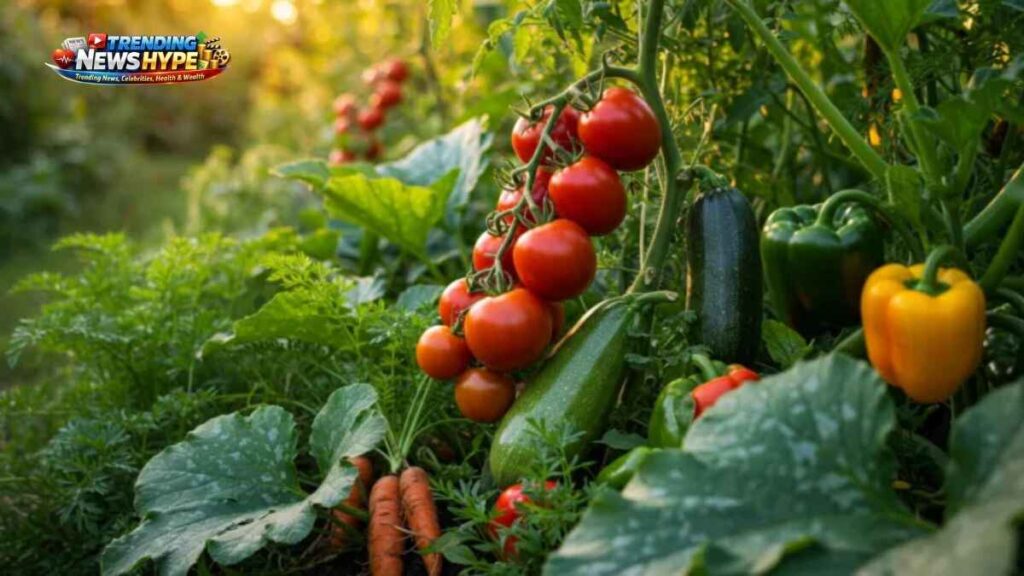
- Tomatoes
- Lettuce
- Spinach
- Mint
- Basil
Start small. A few successful plants will build your confidence.
Each of these beginner plants was chosen for a specific reason. Lettuce and spinach germinate within 7–14 days and can be harvested in as little as 30–45 days from seed — making them the fastest way for a new gardener to see real results. Mint is nearly impossible to kill, tolerates partial shade, and spreads aggressively, so it should always be kept in a container to prevent it from overtaking nearby plants.
Tomatoes are the most popular home garden crop globally and are well-documented as one of the highest-value plants to grow at home — a single indeterminate tomato plant can yield 4–7kg of fruit across a season, with a cost-per-kilogram significantly lower than supermarket prices. Basil grows rapidly in warm conditions and pairs well with tomatoes both in the garden (as a companion plant that repels aphids) and in cooking.
3. Choose the Right Location
A good location determines the health of your garden.
Look for:
Sunlight
Most vegetables and flowers need 6–8 hours of direct sunlight daily.
Soil condition
Soil should be fertile and well-draining.
Accessibility
Choose a place that is easy to water, weed, and maintain.
Protection
Avoid areas with strong wind or heavy foot traffic.
If sunlight is limited, you can use grow lights for indoor gardening.
Sunlight is the single most important location factor for a food garden. A University of Vermont study found that vegetable plots receiving fewer than 6 hours of direct sun daily produced yields 40–60% lower than those receiving the full 6–8 hours. If you are uncertain about sunlight hours in a specific spot, observe it across a full day at the time of year you plan to plant — sun angles change significantly between seasons.
South-facing locations in the northern hemisphere and north-facing in the southern hemisphere receive the most consistent daily sunlight. For indoor or balcony gardeners, a quality full-spectrum LED grow light (typically $40–$80) can fully substitute for natural sunlight and allows year-round growing regardless of outdoor conditions.
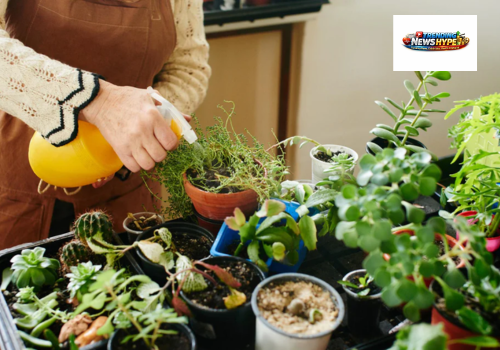
4. Prepare the Soil
Healthy soil creates healthy plants.
Steps:
- Test soil pH (ideal: 6.0–7.0)
- Loosen compact soil using a fork or tiller
- Add compost or organic manure
- Improve drainage with sand or perlite if needed
For pots, always use high-quality potting mix instead of garden soil.
Soil pH is one of the most overlooked factors in beginner gardening and one of the most impactful. At a pH below 6.0, plants cannot absorb phosphorus, calcium, or magnesium efficiently — even if those nutrients are present in the soil. At a pH above 7.5, iron and manganese become unavailable.
A basic soil pH testing kit costs $5–$10 and takes less than five minutes to use. If pH is too low (acidic), adding garden lime raises it; if too high (alkaline), elemental sulfur or acidic compost lowers it. Adding 5cm of quality compost to the top layer of any garden bed is consistently the single most effective improvement a beginner can make — it improves soil structure, moisture retention, drainage, and microbial activity simultaneously.
5. HOUSE Garden Your Seeds or Seedlings
Now it’s time to plant.
- Seeds: Cheap but slower to grow
- Seedlings: Faster and easier for beginners
Follow proper:
- Spacing between plants
- Planting depth (not too shallow or deep)
- Gentle watering after planting
Proper spacing ensures airflow and healthy growth.
Planting depth is one of the most common mistakes beginners make. As a general rule, seeds should be planted at a depth of approximately twice their diameter — a tomato seed (roughly 3mm) should be planted about 6mm deep, while a bean seed (10mm) goes about 20mm deep. Too shallow and seeds dry out before germination; too deep and seedlings exhaust their energy before breaking the surface.
For transplanting seedlings, always plant at the same depth they were growing in their original container, except for tomatoes, which can be planted deeply up to their lowest leaves, as they develop roots along their buried stems and establish significantly faster as a result.
6. Watering and Mulching
Watering is one of the most important gardening tasks.
Tips:
- Water regularly,rly but do not overwater
- Best time: early morning
- Avoid letting the thing completely dry out
Mulching:
Add straw, dried leaves, or wood chips around plants to: Read More: Amazing Low-Light Indoor Plants You Can Grow.
- Retain moisture
- Control weeds
- Maintain soil temperature
Overwatering is the leading cause of plant death in home gardens — more plants are killed by too much water than by drought. A simple and reliable test is to push a finger 2–3cm into the soil near the plant’s base: if it feels moist, do not water; if it feels dry, water thoroughly. Early morning watering is significantly more effective than evening watering because it allows foliage to dry during the day, reducing the risk of fungal disease.
A 5–8cm layer of organic mulch (straw, wood chips, or dried leaves) around plant bases has been shown to reduce soil moisture evaporation by up to 70%, meaning less frequent watering is needed, and soil temperature remains more stable — typically 3–5°C cooler in summer and warmer in early spring.
7. Fertilising Your Garden
Plants need nutrients to grow properly.
Organic fertilizers:
- Compost
- Manure
- Fish emulsion
Synthetic fertilizers:
- Fast results, but should be used carefully
Over-fertilizing can damage plants, so always follow instructions.
The three primary nutrients in any fertilizer are nitrogen (N), phosphorus (P), and potassium (K), shown on packaging as an N-P-K ratio. Nitrogen drives leafy green growth and is most important for plants like lettuce, spinach, and herbs. Phosphorus supports root development and flowering, making it critical during the early establishment phase and for fruiting plants like tomatoes and peppers.
Potassium improves overall plant resilience and fruit quality. A balanced 10-10-10 fertilizer works well for most beginner gardens. Organic compost typically delivers an N-P-K of around 1-1-1, releasing nutrients slowly and steadily over months rather than in a single sharp dose — which is why it is generally safer and more forgiving for beginners than concentrated synthetic fertilizers.
8. Pest and Disease Control
Pests are normal in gardening, but they can be controlled.
Methods:
- Use netting or fences
- Spray neem oil or insecticidal soap
- Inspect plants weekly
- Remove infected leaves early
Avoid harsh chemical pesticides, especially for edible plants.
Neem oil is one of the most effective and safest pest control options available to home gardeners. It contains azadirachtin, a compound that disrupts the life cycle of over 200 insect species — including aphids, whiteflies, spider mites, and fungus gnats — without harming beneficial insects like bees when applied correctly (in the evening, after pollinators are inactive).
A diluted neem oil spray (2ml neem oil, 1ml dish soap per litre of water) applied every 7–14 days is sufficient for most pest prevention. Weekly inspection is the most important practice: catching an infestation when it involves 5–10 insects is far easier and less damaging than addressing one that has spread across an entire plant.
9. Support and Pruning
Some plants need support to grow properly.
- Use stakes or cages for tall plants like tomatoes
- Trim dead or diseased leaves
- Improve airflow by pruning excess growth
Healthy pruning leads to stronger and more productive plants.
Indeterminate tomato plants — the most common type grown in home gardens — can reach 1.8–2.5 metres in height and will collapse without support. A tomato cage or wooden stake installed at planting time (rather than after the plant is established) prevents root damage. Removing “suckers” — the small shoots that grow in the junction between the main stem and a branch — is a pruning technique that concentrates the plant’s energy into fruit production rather than vegetative growth, consistently increasing yield size in indeterminate varieties.
For most other beginner plants, pruning means simply removing any yellowing, dead, or diseased leaves as soon as they appear to improve airflow and prevent the spread of fungal disease.
10. Harvesting Your Plants
Harvesting is the most rewarding part of gardening.
Tips:
- Pick vegetables when fully ripe
- Use scissors or pruners for clean cuts
- Harvest regularly to encourage more growth
Some plants, like herbs and lettuce, keep producing after harvesting.
Regular harvesting is one of the most important — and most frequently overlooked — techniques for maximising a garden’s output. Lettuce, basil, and spinach enter a flowering phase called bolting when they are not harvested frequently enough, after which they become bitter and stop producing usable leaves.
Harvesting outer lettuce leaves rather than pulling the whole plant extends production by weeks. For herbs, cutting stems just above a leaf node rather than from the base encourages branching and a fuller, bushier plant. Tomatoes and peppers left on the plant past peak ripeness divert the plant’s energy away from producing new fruit — picking promptly at full colour, and firmness keeps the plant in active production throughout the season.
11. Advanced Gardening Tips
Once you gain experience, try advanced methods:
- Companion planting: Some plants grow better together
- Seed saving: Collect seeds from healthy plants
- Season extension: Use greenhouses or covers to grow year-round
- Creative design: Combine flowers, herbs, and vegetables
Common Beginner Mistakes and How to Avoid Them
Most beginner gardeners make the same handful of mistakes. Knowing them in advance dramatically improves your chances of a successful first season.
Planting too much too soon. The most common mistake of all. A first garden with 20 plants quickly becomes overwhelming — watering, weeding, and pest monitoring across too many plants leads to neglect, and neglect leads to failure. Start with five to eight plants maximum. Success with a small garden builds the habits and knowledge needed to expand confidently.
Choosing the wrong plants for the season. Cool-season crops like lettuce, spinach, and peas bolt and fail in summer heat. Warm-season crops like tomatoes and peppers will not germinate or establish in cold spring soil. Always check the recommended planting window for your climate zone before buying seeds or seedlings.
Skipping soil preparation. Buying plants and pushing them straight into unprepared ground is the fastest route to disappointment. Poor soil — compacted, low in nutrients, or with the wrong pH — limits growth regardless of how well the plant is watered or fed. Thirty minutes spent loosening soil and adding compost before planting makes a measurable difference throughout the entire growing season.
Inconsistent watering. Irregular watering — heavy one day, nothing for a week — stresses plants and causes specific problems: blossom end rot in tomatoes, tip burn in lettuce, and splitting in many root vegetables. A consistent schedule, checked against actual soil moisture, is more important than watering volume.
Not labelling plants. This sounds trivial, but it becomes a genuine problem when multiple seedlings look identical in their early stages. A simple stick label or written record of what is planted where saves confusion and prevents accidental removal of wanted seedlings when weeding.
How to Plan Your Garden Before You Plant
Planning before buying a single seed saves money, prevents overcrowding, and significantly increases the chance of a successful first season.
Sketch your space first. Measure the area you have available — even roughly — and draw a simple top-down map. Mark which directions receive morning versus afternoon sun, where any shade falls, and where water access is easiest. This takes 15 minutes and prevents the very common mistake of putting sun-loving plants in shaded spots.
Choose plants that suit your actual conditions. Once you know your light levels, soil type, and available space, match plants to those conditions rather than choosing plants first and hoping the conditions suit them. A north-facing balcony with limited sun calls for leafy greens and herbs rather than tomatoes or peppers, which need full sun to fruit well.
Group plants by water needs. Placing drought-tolerant plants (like herbs and succulents) together and moisture-loving plants (like lettuce and spinach) together makes watering far more efficient and prevents over- or underwatering either group.
Plan for succession planting. Rather than planting everything at once and facing a single large harvest that is difficult to use, stagger plantings of fast-growing crops like lettuce and radishes every two to three weeks. This delivers a steady, manageable supply across the whole season rather than a single overwhelming glut.
Account for mature plant size. Seed packets and plant labels list mature spacing requirements for a reason. A tomato plant listed as needing 60cm of space will reach that size. Crowded plants compete for light, water, and nutrients, and they create the humid, low-airflow conditions that fungal diseases thrive in.
How Much Does a Home Garden Cost to Start?
One of the most practical questions beginners have is how much to budget. The honest answer is that a productive home garden can be started for very little or a great deal, depending on the choices made.
Budget setup (under $30): A basic container garden with three to five pots, a bag of quality potting mix, and a seed packet assortment is genuinely achievable for $20–$30. Recycled containers — buckets, old colanders, wooden crates — can reduce cost further. Seeds cost a fraction of seedlings and, for easy-germinating crops like lettuce, spinach, and herbs, are the better starting choice at this budget level.
Mid-range setup ($50–$150): A small raised bed kit (typically 60×90cm or 90×120cm), quality raised bed soil mix, and a selection of seedlings for faster results fall in this range. Adding a basic drip irrigation timer ($20–$30) at this level removes the most common cause of inconsistency — irregular watering.
Ongoing costs: Potting mix and soil amendments are the main recurring costs, as container soil loses structure and nutrients over time and benefits from refreshing each season. Fertiliser, seeds, and replacement plants are the other regular expenses. A well-maintained raised bed or container garden typically costs $20–$40 per season to sustain after the initial setup.
Where not to spend money early: Expensive tools, elaborate irrigation systems, and premium raised bed kits are not necessary for a beginner garden. A hand trowel, a watering can, and quality soil will outperform expensive equipment paired with poor soil every time. Invest in soil first; tools and infrastructure can be upgraded once you know what your garden actually needs.
Frequently Asked Questions (FAQs)
Q1: What is the easiest plant to grow at home?
Mint, basil, and tomatoes are excellent choices for beginners because they are easy to care for and grow quickly. Mint and basil thrive in pots, while tomatoes need a sunny spot and regular watering. Starting with these plants helps you build confidence before growing more demanding varieties.
Q2: How much sunlight does a home garden need?
Most vegetables, herbs, and flowering plants need 6–8 hours of direct sunlight each day. Leafy greens such as spinach and lettuce can tolerate partial shade. If your home gets limited sunlight, choose shade-tolerant plants or use grow lights indoors.
Q3: Can I start a garden in a small space?
Yes, container gardening and vertical gardening are ideal for small spaces like balconies, patios, or windowsills. Many herbs, vegetables, and flowers grow well in pots. Using shelves, hanging baskets, or wall planters also helps maximise your available space.
Conclusion
A home garden is one of the simplest ways to improve your living space, health, and lifestyle. It does not require expensive tools or expert-level knowledge—only consistency, patience, and basic care.
When you start small, choose the right plants, and follow proper gardening practices, your garden gradually becomes more productive and easier to maintain. Over time, you gain experience, confidence, and the ability to grow a wider variety of plants.
Most importantly, gardening is not just about growing plants—it is about creating a peaceful environment, reducing stress, and enjoying fresh, natural produce from your own space.

Pingback: Summer Vegetables to Grow - trendingnewshype.com