
Poor air quality, dry indoor environments, and overstimulating spaces are some of the most overlooked reasons people struggle with poor sleep and low energy. While most bedroom improvements focus on lighting and bedding, one of the most natural solutions is often ignored: indoor plants.
Certain houseplants do more than decorate a room. They help purify air, improve humidity levels, and create a calmer atmosphere that supports better sleep.
This guide explains the best indoor plants for bedrooms, how they improve air quality, and how to use them effectively. Read More: Best indoor plants for the bedroom.
How Indoor Plants Improve Air Quality
Indoor plants naturally improve indoor environments in several ways. They can absorb some harmful substances through their leaves and roots and also release oxygen during photosynthesis. They can increase humidity in dry rooms. Studies such as NASA’s Clean Air Study show this. Certain plants may help reduce common indoor pollutants. These include formaldehyde and benzene.
However, plants should be considered a supportive element rather than a replacement for ventilation or air purifiers.
What makes this guide different from general indoor plant lists is its focus on the bedroom. This is the room where air quality matters most. The average adult spends 6–9 hours in the bedroom every night. This means the air in this one room makes up about one-third of total daily air exposure.
Formaldehyde off-gasses from furniture, mattresses, and carpets. Volatile organic compounds (VOCs) are released by synthetic fabrics and adhesives. Bedroom-specific plants are chosen for more than air filtration. They are selected for low-light tolerance. They can also function overnight. These conditions are important for good sleep.
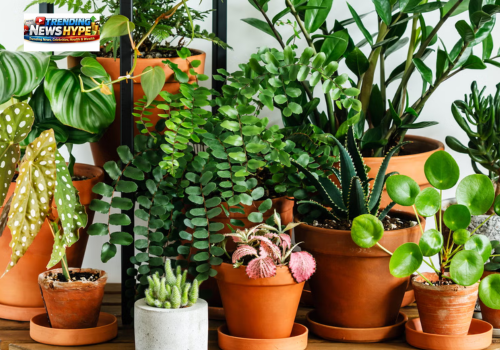
Best Air-Purifying Indoor Plants
Snake Plant (Sansevieria)
The snake plant is one of the best choices for bedrooms because it releases oxygen at night, requires very little maintenance, and grows well in low light conditions. It is ideal for people who want a low-effort plant with real benefits.
Unlike most plants, the Snake Plant uses Crassulacean Acid Metabolism (CAM) photosynthesis. This means it absorbs carbon dioxide at night. It also releases oxygen at night. This is opposite to most houseplants, which do this during the day. This makes it uniquely suited to bedrooms, where overnight air quality directly affects sleep.
NASA’s Clean Air Study identified it as effective at filtering formaldehyde, benzene, trichloroethylene, and xylene.It can survive in light levels as low as 5–10 foot-candles. This is roughly the light level of a bedroom with blackout curtains and a small crack in the door. A medium-sized Snake Plant in a 10 cm pot can improve air quality. It can meaningfully affect a room of up to 100 square feet.
Spider Plant
Spider plants are easy to grow and effective at improving indoor air quality. They can help reduce certain toxins and they grow well in indirect light. This makes them a popular choice for homes.
The Spider Plant (Chlorophytum comosum) is one of the most studied houseplants for indoor air filtration. Research from the University of Hawaii found this. Spider Plants removed about 95% of formaldehyde. This was in a sealed chamber. The result was measured within 24 hours.
They are also one of the few common houseplants confirmed to be non-toxic to both cats and dogs by the ASPCA. This is an important consideration for bedroom plants. Pets often sleep in the same space.
Spider Plants thrive in indirect light and tolerate temperature ranges of 13–27°C, covering virtually all typical bedroom conditions. They also propagate easily, producing offshoots called “spiderettes” that can be potted separately.
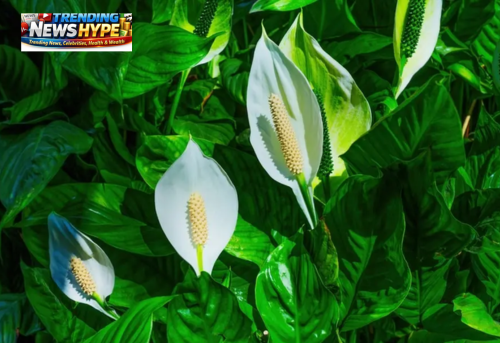
Peace Lily
Peace lilies are known for their elegant appearance and ability to filter indoor air. They can help reduce airborne toxins and may even help reduce mould spores in humid environments. They grow best in shaded or low-light areas.
The Peace Lily (Spathiphyllum) is the only plant on this list that actively addresses mould in addition to VOCs. Research has found this. It can help suppress airborne mould spores. This makes it especially useful in bedrooms with moisture issues. It is also helpful in en-suites. It is useful in humid climates as well. NASA’s Clean Air Study ranked it among the top performers for filtering benzene, ammonia, trichloroethylene, and formaldehyde.
It is one of the few flowering plants that bloom reliably in low-light indoor conditions. Its leaves droop visibly when it needs water, removing all guesswork from its care. They grow well in indirect light. This makes them a popular choice for homes.
Areca Palm
The areca palm works well in larger rooms and acts as a natural humidifier. It improves indoor freshness. It also adds a decorative tropical feel to any space. However, it requires more space than smaller plants.
The Areca Palm (Dypsis lutescens) is the most effective natural humidifier on this list.A mature plant can transpire up to one litre of water vapour per day. It releases this into the surrounding air. This can raise room humidity. It does so without any electrical equipment.This is particularly beneficial in bedrooms during winter months when heating systems dry out indoor air significantly.
Low humidity in sleeping environments is directly linked to dry throats, nasal irritation, and disrupted sleep. NASA’s Clean Air Study rated it among the highest performers for air purification. It was also ranked the number one air-purifying plant in Dr. B.C. Wolverton’s follow-up research. It needs more floor space than other plants on the list. A mature Areca Palm can grow 1.5–2 metres indoors. However, it also provides greater benefits.
Aloe Vera
Aloe vera is both a medicinal and air-purifying plant. It can absorb certain toxins and is very easy to maintain. It grows best in bright, sunny locations such as windowsills. Read More: Best Plants for Beginners with No Gardening Experience
Aloe Vera (Aloe barbadensis miller) is effective at detecting and filtering formaldehyde and benzene. These are commonly released by paints, varnishes, and cleaning products used in bedroom furniture and flooring. When pollutant levels become unusually high, Aloe Vera develops brown spots on its leaves. This acts as a visible early-warning sign that air quality is declining.
Like the Snake Plant, Aloe Vera also uses CAM photosynthesis, absorbing CO₂ and releasing oxygen overnight. Here is the corrected version with a different word at the start: This plant is one of the lowest-maintenance plants on this list.
It needs watering only once every two to three weeks. The gel has well-documented topical properties. It can be used to treat minor burns. It can also help with skin irritation. This adds a practical household benefit beyond air quality.
Best Placement Tips for Indoor Plants
To get the most benefit from indoor plants, placement is important. Plants should be placed near windows for healthy growth, in frequently used areas such as bedrooms and living rooms, and not kept in completely dark corners. Using a mix of different plants is more effective than relying on a single plant.
How Many Plants Do You Need
A practical guideline is to keep at least one plant per 100 square feet. For better results, most rooms can have three to five plants, depending on available space.
For example, a bedroom can include a snake plant and aloe vera, while a living room may benefit from an areca palm and peace lily. Kitchens often work well with spider plants.

Benefits of Indoor Plants
Indoor plants offer several benefits beyond air quality improvement. They may help reduce stress, improve sleep quality, and create a more relaxing environment. They also enhance focus and productivity while improving the overall aesthetic of a home.
Common Mistakes to Avoid
Many people unintentionally reduce plant effectiveness through simple mistakes. Overwatering can damage roots, placing plants in very dark areas limits growth, and relying on only one plant reduces overall benefits. Regular care and proper placement are essential.
Plants vs Air Purifiers
Indoor plants are natural, affordable, and visually appealing, while air purifiers provide faster and more direct filtration. The best approach is to use both together for improved indoor air quality.
How This Guide Differs from a General Indoor Plant List
Most indoor plant guides cover the same broad list — Snake Plant, Pothos, Peace Lily — without any context for where or how they are used. This guide is built specifically around the bedroom, and that distinction matters for several reasons.
The bedroom is the one room in a home where a person spends the most continuous, uninterrupted time — typically 6–9 hours every night. Air quality in that room directly affects breathing, sleep depth, and morning energy levels in a way that a living room or kitchen simply does not.
General indoor plant guides are optimised for looks and ease of care. This guide is optimised for overnight air quality, low-light performance, sleep-supportive conditions, and safety factors that rarely appear in standard plant lists.
The plants covered here were selected against four bedroom-specific criteria that differentiate them from a general air quality list:
Overnight oxygen output: Snake Plant and Aloe Vera both use CAM photosynthesis, releasing oxygen at night. Most other common houseplants absorb oxygen at night and are less ideal for bedrooms for this reason.
Low-light tolerance: Bedrooms often have less natural light than living areas. Every plant on this list is confirmed to grow and function in indirect or low-light conditions without decline.
Humidity contribution: Areca Palm and Peace Lily both release meaningful moisture into the air, directly addressing the dry conditions that disrupt sleep and respiratory comfort.
Safety in a sleeping environment: Plants on this list were assessed for toxicity, scent, and allergen profile — factors that matter significantly more in a room where a person is unconscious and breathing for eight hours than in a room they pass through briefly.
If you have already read a general indoor air quality plant article, this guide provides the bedroom-specific layer that general lists do not cover.
The Science Behind Plants and Sleep Quality
The connection between indoor plants and sleep is more direct than most people realise, and it operates through three distinct mechanisms.
Air quality and breathing: Elevated CO₂ levels in unventilated bedrooms are one of the most common and least recognised causes of restless sleep, morning headaches, and daytime fatigue. A closed bedroom with one or two people sleeping in it can see CO₂ levels rise from a normal outdoor level of around 400 ppm to 1,000–2,000 ppm by morning.
Research from the Technical University of Denmark found that even moderate increases in indoor CO₂ above 1,000 ppm measurably reduce sleep quality and morning cognitive performance. Plants that release oxygen overnight — particularly Snake Plant and Aloe Vera — help moderate this rise.
Humidity and respiratory comfort: The ideal humidity range for healthy sleep is 40–60%. Below 30%, nasal passages and throat dry out, increasing the likelihood of snoring, night-waking, and morning soreness.
Forced-air heating in winter routinely drops indoor humidity to 20–25%. Areca Palm, releasing up to a litre of water vapour daily, can raise a mid-sized bedroom’s humidity by a measurable amount without any electrical humidifier.
Psychological calming effect: Research published in the Journal of Physiological Anthropology found that interacting with or simply being near indoor plants reduces cortisol levels — the body’s primary stress hormone — and activates the parasympathetic nervous system, the state associated with rest and recovery.
In the context of a bedroom, where the goal is to transition from alertness to sleep, the presence of living greenery has been shown to support this shift more effectively than bare, clinical environments.
Together, these three mechanisms make bedroom plants meaningfully different in effect from plants kept in a home office or living room.
Frequently Asked Questions (FAQs)
1. What are the best indoor plants for air quality?
Some of the best indoor plants for improving air quality include Snake Plant, Spider Plant, Peace Lily, Aloe Vera, and Areca Palm. These plants are known for helping create a cleaner and fresher indoor environment by filtering certain airborne pollutants. They are also easy to maintain and add natural beauty to homes and offices.
2. Do indoor plants really purify the air?
Yes, indoor plants can contribute to better air quality by absorbing certain toxins, increasing humidity, and releasing oxygen. While their impact is beneficial, it is generally modest in typical homes. For the best results, combine indoor plants with proper ventilation and regular cleaning to maintain a healthy indoor environment.
3. Which indoor plant is best for the bedroom?
The Snake Plant is one of the best plants for the bedroom because it is low-maintenance and thrives in low-light conditions. It is also known for releasing oxygen at night, making it a popular choice for sleeping spaces. Its upright leaves require little space, making it ideal for both small and large bedrooms.
Conclusion
Improving indoor air quality does not require expensive equipment. The right indoor plants can naturally support better breathing, improved sleep, and a more peaceful home environment.
Snake plants, spider plants, peace lilies, and aloe vera are all excellent choices depending on your space and lighting conditions. Starting with just a few plants can gradually transform your indoor environment into a fresher and more comfortable space.



Pingback: Best indoor plants for the bedroom - trendingnewshype.com