

Ultimate Guide to Growing Easy Vegetables at Home: One of the greatest hobbies that you can engage in is growing your own food. It is not only giving you the freshest possible produce, but also saves you on your carbon footprint, and also is a therapeutic break out of the digital realm.
You do not require a huge farm to begin with; even a sunny balcony or a small strip of dirt is all that is required to embark on the path of becoming self sufficient.
Benefits of Indoor Plants for Home and Office
Introduction to Home Gardening.
A little planning will go a long way before you plant a seed in the ground. Gardening success does not require a green thumb, but rather knowledge of the fundamental requirements of your plants: light, soil and water.
Selecting the Right Location.
The vast majority of vegetables require six or eight hours of direct sunlight daily. You can observe your outside area during the day to observe where the sun is most likely to hit. You have a shadeful yard, no problem, you can grow greens such as spinach and lettuce that grow in the shade.
Learning about the quality of your soil.
Plants can only be as healthy as the soil they are planted. In case you are planting in soil, you might require adding compost to the soil to provide it with the appropriate nutrients. Beginnertwists can find it easier to use raised beds or containers since you can control the quality of soil at the beginning using a good quality potting mix.
Top 5 Easiest Vegetables to Start With.
When you are starting out you need quick wins, the kind of plants that grow quickly and are not too specific to their surroundings.
2. Greens (Spinach and Lettuce)
Lettuce is the easiest to start with. It is fast growing, occupies a small area and can be harvested in the cut and come again technique: cut the outer leaves and the plant will grow.
2. Radishes: The Speed Demons.
If you’re impatient, radishes are for you. Certain varieties take as short as 25 days to go through the seed to plate cycle. They are also sturdy and not easily infested by pests and thus are good to children or first-time gardeners.
3. Cherry Tomatoes
Large beefsteak tomatoes are quite problematic, but cherry tomatoes are very prolific. They are more resistant to diseases and are going to bear hundreds of sweet fruits during summer. All you have to do is to remember to give a stake or a cage.
4. Zucchini and Squash
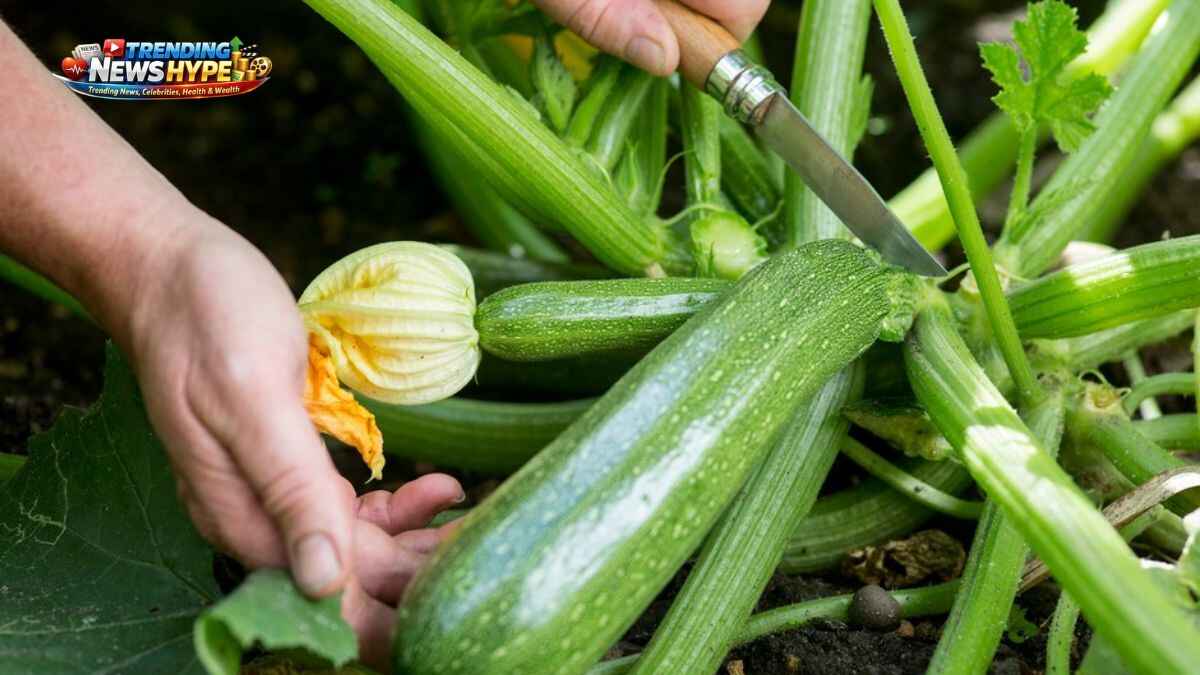
Plant a zucchini, and she will nourish your whole street. The plants are known to have huge harvest. Only remember to plant them in warm soil because they do not withstand frost.
5. Green Beans
Bush beans are very easy to start with since they do not need sophisticated trellising. They not only fix the nitrogen in the soil, in fact they enrich the ground in which they grow and when they begin to produce pods they do so very fast.
Critical Gardening Equipment and Materials.
You do not have to have a shed of costly machinery to cultivate a salad. It will not take much more than a handful of basics to get the job done.
The Tool Kit of the Beginner.
● Trowel: A shovel used in the hands to dig small pits and transplantation.
● Watering Can or Hose: This can be used with a shower-like type of attachment to prevent washing away the seeds.
● Pruning Shears: To harvest and trim the dead leaves.
● Garden Gloves: These gloves will prevent thorns and blisters on your hands.
How It Grows: Seed to Harvest.
You have your tools ready, your plants decided upon, it is time now to get your hands dirty.
Sowing Your Seeds
Take the depth instructions on the seed pack. The general rule is to have the seed twice as deep as it is wide. Small seeds such as lettuce only require to be lightly dusted with soil and larger seeds such as beans require to be an inch in depth.
Watering Wisdom
This is aimed at ensuring that the soil is not too damp. The most typical error that beginners make is overwatering; it may result in root rot. Stick your finger one inch into the soil–when it gets dry it is time to water.
Successful watering tips.
1. Wet the bottom: Do not wet the leaves, as this will cause fungus.
2. Water in the morning: Morning is the best time, thus the plants can be watered before the sun heats the day.
3. Mulch: Spread some straw or wood chips to maintain moisture in the soil.
Controlling Pests and Diseases Organically.
It is not just you who would like to eat your vegetables. Insects and diseases are also part of the ecosystem but they do not necessarily need to destroy your harvest.
Common Garden Pests
● Aphids: Sap-sucking insects. they are easily dislodged by a good blast of water.
Slugs: Beer traps or copper tape are their favorites.
● Caterpillars: They are best removed by hand.
Encouraging Beneficial Insects
Bugs are not all bad! Your best friends are ladybugs and lacewings as they eat the bad bugs. Chemical pesticides should not be used because it kills not only the pests but also the helpful insects.
Picking Your Home Garden.
The reward of gardening is, lastly, to enjoy the fruits of your labor. The idea of picking at the right time is important to achieve the maximum flavor.
When to Pick
● Leafy Greens: Choose when they have big leaves to consume.
● Tomatoes: Wait until they are completely colored and a little soft.
● Zucchini: Picking: When they are 6-8 inches long; otherwise, they become too large and become woody and tasteless.
Succession Planting
In order to sustain the harvest, do not plant all the seeds at one time. Sow a number of lettuce seeds after every two weeks, in a way that as one batch of them completes, there is another one to consume. This guarantees a continuous availability of food during the growing season.
Conclusion: The Pleasure of the Harvest.
Gardening involves trial and error. Certain plants will grow well and others may not but all failures will be lessons to be learnt next season. With easy to grow vegetables such as radishes, greens and tomatoes, you start small and gain the confidence and skills to grow your garden one year after another. Nothing is like the taste of a vegetable that you have grown yourself, it is like sunshine, toil and achievement. Happy planting!

[…] The Ultimate Guide to Growing Easy Vegetables at Home […]