
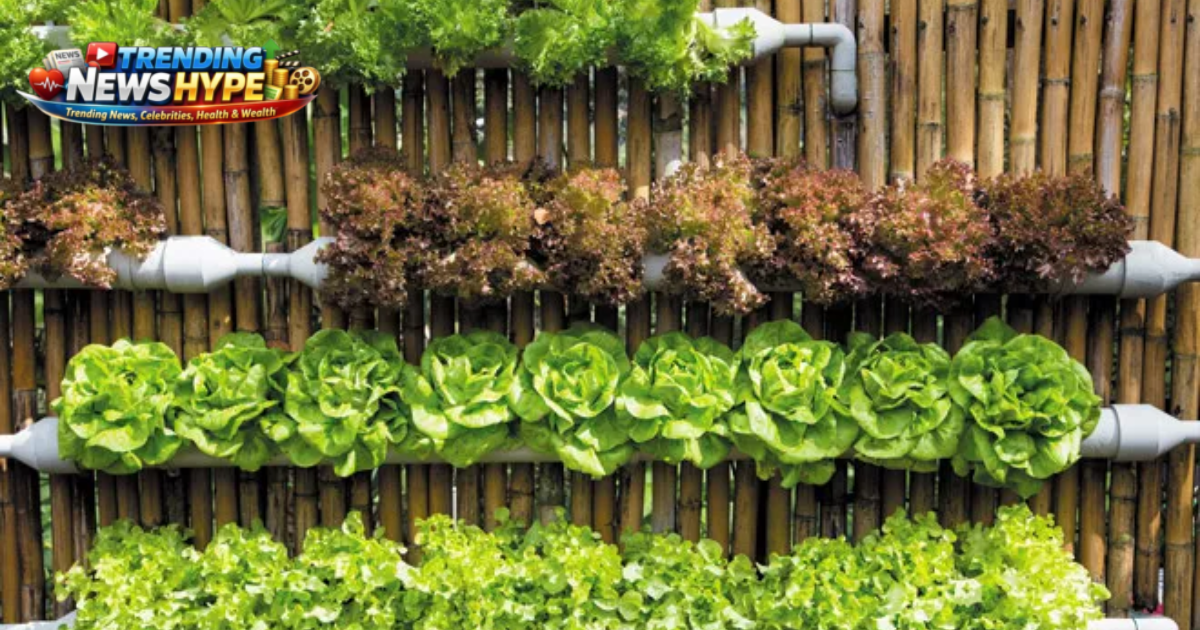

Hydroponic Gardening for Beginners is revolutionizing the way we grow plants by eliminating the need for soil. For beginners, hydroponics offers an exciting and efficient way to cultivate vegetables, herbs, and even fruits in small spaces, indoors or outdoors. With the right setup, you can enjoy fresh, nutrient-rich produce year-round, while saving space, water, and effort compared to traditional gardening.
Hydroponics uses nutrient-rich water solutions to feed plants directly, ensuring faster growth and higher yields. It is particularly appealing for urban gardeners, apartment dwellers, or anyone with limited garden space. This method reduces soil-borne diseases, minimizes weeds, and allows precise control over plant nutrition. By understanding the basics, beginners can start their hydroponic garden successfully and enjoy bountiful harvests within weeks. For more ideas on growing fresh produce in limited space, check out our guide on Easy Fruit Trees to Grow in Small Gardens.
Alternative: Reason to Use Hydroponic Gardening?
There are a number of benefits of hydroponic gardening as compared to soil gardening:
- Increased Growth: The growth rate of the plants increases as the nutrients are easily accessible.
- Space Efficiency: This is ideal in apartments, balconies or small backyards.
- Water conservation: Water consumption is reduced to 90 percent of the water used in soil gardening.
- Year-Round Gardening: plant fresh foods all year round, climate, and season notwithstanding.
- Less Pests and Disease: Soil free system will reduce the chances of prevalent garden pests.
The above advantages render hydroponics a promising choice to new entrants who consider an effective and current gardening remedy.
The Elementary Hydroponic Gardening for Beginners
The following are some of the basic components needed in a hydroponic garden:
- Growing Medium: Hydroponic plants require the growing medium to anchor roots like rockwool, coconut coir, perlite, or clay pellets unlike soil.
- Nutrient Solution: water fortified with the necessary nutrients (e.g., nitrogen, phosphorus, potassium, etc.).
- Water Pump and Aeration: Maintains circulating of nutrient solution and provision of oxygen to roots.
- Light Source: LED grow lights or fluorescent lamps imitate the sunlight and are used in the indoors. The outdoor systems are dependent on the sun.
- Containers or Reservoirs: Containers are used to hold the nutrient solution and hold the plants.
Simple systems such as a Deep Water Culture (DWC) or Kratky Method can be used as a starting point by beginners and do not require a lot of equipment or are very easy to maintain.
Beginners Guide to Easy Hydroponic Systems
This is achieved by starting with a system that is easy to understand, thus making hydroponic gardening very easy and enjoyable. Examples of easy setups are:
The Deep Water Culture (DWC)
Plant roots suspended in nutrient rich oxygenated water solution are used in DWC. Oxygen is supplied to the roots by air stones or pumps thus making them grow rapidly. DWC suits well with leafy greens i.e. lettuce, spinach, and herbs.
Kratky Method
Kratky Method is a passive method of hydroponics, which does not need pumps or electricity. Plants are planted in a container partially filled with nutrient solution whereby roots are protruding in the water. It is an ideal type of garden to use when one is a beginner and does not want to maintain a garden that needs soil.
Nutrient Film Technique (NFT) is the third method
NFT entails a shallow flow of nutrient solution on plant roots in a sloping channel. NFT is efficient and enables continuous delivery of nutrients although it is slightly more advanced. It can be used with small fruits, herbs and leafy greens.
Wick System
The wick system involves a passive system in which a wick sucking solution to the roots of a plant is taken out of a reservoir. It is also easy, cheap as well as suited to herbs and small leafy vegetables.
Hydroponic Gardening: 10 Best Plants
Plants that do well in the hydroponic system and are ideal to beginners include:
- Lettuce and Salad Greens: Quick to grow and tolerant, they are both DWC and Kratky friendly.
- Herbs: Basil, mint, parsley and cilantro do very well inside the house.
- Spinach and Kale: These are fast maturing greens that are rich in nutrients and require little attention.
- Tomatoes and Peppers: They need a little bit of extra care although yield high in an NFT or drip system.
- Strawberries: These fruits can be cultivated using a vertical system which is hydroponic, providing fresh fruit products on a low-space.
Growing things initially that are easy to grow will enable beginners to get confidence and experience before they can advance to other crops that are more challenging to grow.
Beginners in Hydroponic Gardening Tips
In order to have a successful hydroponic garden, the following are some of the critical tips that should be observed:
- Measure pH and Nutrients: Maintain pH of between 5.5-6.5 and balanced nutrient solutions to ensure maximum growth.
- Keep Clean Equipment: Clean containers and tools on a regular basis to avoid pathogens and algae.
- Make sure it gets enough light: Indoor plants should be given 12-16 hours of light every day to grow well.
- Enhance Sufficient Oxygen: To avoid root rot and promote nutrient uptake, aerate water in DWC or NFT systems.
- Start Small: It is better to start with a few plants and then start to expand your system.
- Observe and Adjust: On a regular basis, check the growth of the plants, correct nutrients and problem-solve before it is late.
With these tips, one can have a great and enjoyable experience with hydroponic gardening.
Hydroponics: Benefits of Hydroponics in Small Areas
Hydroponic gardening is also useful especially in living in cities or in a limited area:
- Balcony Gardening: It is a method of growing vegetables and herbs in small structures without using any soil.
- Indoor Gardening: Keep fresh greens all year long using LED-lights and containers.
- Vertical Gardening: Utilize the little space by piling up or tiering hydroponic systems.
- Fun and Educational: Awesome in educating the kids on the growth of plants, biology and sustainability.
Hydroponics will convert any small area into a productive and green one that yields fresh and healthy food.
Conclusion
The best option of hydroponic gardening is the beginner one, where fresh vegetables, herbs, and even fruits are cultivated without soil. With the help of easily accessible systems like Deep Water Culture, Kratky, or plain wick set up any person can take the advantage of soil-free gardening in small areas. To guarantee positive outcomes, one should choose plants that are easy to grow such as lettuce, basil, spinach, and tomatoes as this will stimulate the desire to experiment with more complicated crops in the future.
When the nutrient solutions are given due consideration, the lighting and the maintenance of the systems, the hydroponic gardens can be maintained throughout the year, which gives the year-round availability of fresh produce. Regardless of whether you are living in an apartment, have a small backyard or would like to have an indoor gardening project, hydroponics is a new, space-saving, and rewarding method of growing your own food in 2026. For more ideas on sun‑loving plants that brighten up your outdoor spaces, check out our guide on Top Flowering Plants for Full Sun.
