

Starting a plant collection with zero gardening experience can feel intimidating, but the truth is that some plants are so forgiving and easy to care for that almost anyone can grow them successfully from day one.
Best Door Plants: Beautiful Plants That Make Your Entrance Feel Welcoming
Choosing the best plants for beginners makes all the difference between a confidence-building success and an early disappointment. This guide covers beginner-friendly plants that tolerate common mistakes, require minimal maintenance, and still reward their owners with healthy, attractive growth.
Whether you want to grow plants indoors or outdoors, these easy-care options provide the perfect foundation for a successful gardening journey. Read More: Common Plant Diseases and How to Treat Them
1. Snake Plant (Sansevieria)
Snake Plant is one of the most popular choices among the best plants for beginners. It is highly resilient and adapts well to a wide range of growing conditions. Whether placed in low light or bright indirect light, it continues to grow with very little attention.
This plant requires minimal watering. In fact, overwatering is the most common mistake beginners make. Water only when the soil is completely dry. Snake Plants are also known for their air-purifying qualities, making them an excellent choice for bedrooms and living rooms.
Approximate Cost: Small starter pots typically run $5–20 at big-box garden centers, with larger specimens climbing to $30–50 or more at specialty nurseries and well over $100 for rare variegated varieties.
Watering Frequency: Roughly once every 2–4 weeks indoors, less in winter — the soil should dry out completely between waterings since the thick leaves store water like a succulent.
Honest Care Challenge: Because Snake Plants tolerate neglect so well, the real risk isn’t underwatering but overcorrecting — beginners who water “just in case” are the most common cause of root rot in this otherwise nearly indestructible plant.

2. Aloe Vera
Aloe Vera is another excellent plant for beginners. As a succulent, it stores water in its leaves and does not need frequent watering.
It thrives in bright, indirect sunlight and well-draining soil. Besides being easy to maintain, Aloe Vera has practical benefits. Its gel is commonly used to soothe minor burns and support basic skincare routines.
Approximate Cost: Small Aloe Vera plants are typically among the most affordable starter succulents, often $5–15 for a young plant in a small nursery pot.
Watering Frequency: Every 2–3 weeks, allowing the soil to dry out fully between waterings.
Honest Care Challenge: Aloe needs genuinely bright light to stay compact. In low light, it stretches, becomes leggy, and loses the tight rosette shape that makes it attractive — a common disappointment for beginners who keep it on a dim shelf instead of a sunny windowsill.
3. Spider Plant
Spider Plants are known for their graceful arching leaves and small plantlets that grow from the mother plant. They are easy to care for and adapt well to different environments.
These plants prefer indirect sunlight and generally need watering once or twice a week. Spider Plants are also valued for their air-cleaning properties and can be easily propagated to grow additional plants.
Approximate Cost: Among the cheapest beginner plants available, usually $5–15 for a young plant, since they propagate so easily that nurseries can produce them in volume.
Watering Frequency: Once or twice a week, keeping soil lightly moist but not soggy.
Honest Care Challenge: Spider Plants are sensitive to the fluoride and chlorine in some tap water, which can cause brown leaf tips — letting tap water sit out for 24 hours before using it, or switching to filtered water, often resolves an otherwise mysterious browning problem.
4. Pothos (Money Plant)
Pothos, often called Money Plant, is one of the easiest houseplants to grow. It tolerates low-light conditions and does not require frequent watering.
Its fast-growing trailing vines make it perfect for hanging baskets, shelves, and decorative displays. Pothos can grow in both soil and water, making it a versatile option for beginners.
Approximate Cost: Typically one of the cheapest options on this list, often $5–15 for a small starter pot, occasionally found in budget multi-packs for even less per plant.
Watering Frequency: Roughly once a week, letting the top inch or two of soil dry out between waterings.
Honest Care Challenge: Pothos grows so fast that it can quickly become a tangled mess without occasional trimming — beginners who don’t pinch back the vines regularly often end up with a sparse, overly long plant instead of the lush, bushy look they expected.
5. ZZ Plant
The ZZ Plant is ideal for anyone seeking a low-maintenance plant. It is highly drought-tolerant and grows well even in rooms with limited natural light.
Watering is only needed occasionally, and the plant can go weeks without attention. Its glossy, dark-green leaves add a modern and elegant touch to any indoor space.
Approximate Cost: Generally $15–30 for a small to medium starter plant, reflecting its slower growth rate compared to cheaper, fast-propagating options like Pothos.
Watering Frequency: Every 2–3 weeks, sometimes longer in winter — it grows from a water-storing rhizome underground, similar to a bulb, which is what allows it to tolerate such long gaps.
Honest Care Challenge: ZZ Plant grows so slowly that beginners sometimes assume something is wrong with it. A healthy ZZ Plant may only put out a few new stems per year, and patience rather than more frequent watering is the right response.
6. Peace Lily
Peace Lily is admired for its lush green foliage and elegant white blooms. It grows well in low to moderate light and requires relatively little care.
One of its most beginner-friendly features is that it clearly signals when it needs water. The leaves begin to droop slightly, and after watering, the plant quickly recovers.
Approximate Cost: Typically $15–30 for a small to medium plant, with larger flowering specimens sometimes priced higher around bloom season.
Watering Frequency: About once a week, generally when the visible drooping cue appears, though letting it droop repeatedly over time can still stress the plant.
Honest Care Challenge: Peace Lily is mildly toxic if chewed by pets or small children due to calcium oxalate crystals in the leaves, so households with curious cats, dogs, or toddlers should weigh placement carefully despite its otherwise easy care.
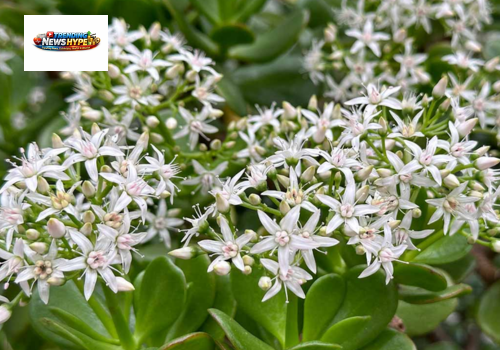
7. Jade Plant
The Jade Plant is a succulent often associated with good fortune and prosperity. It requires minimal watering and is easy to maintain.
This plant grows best in bright light and well-draining soil. Although it grows slowly, it can live for many years and become a beautiful long-term addition to your home.
Approximate Cost: Small starter Jade Plants are usually inexpensive, often $5–15, though mature, tree-like specimens at specialty nurseries can run considerably more given their age.
Watering Frequency: Every 2–3 weeks, letting soil dry out fully — overwatering is by far the most common way to lose a Jade Plant.
Honest Care Challenge: Without enough direct light, Jade Plant stems stretch and become weak rather than staying thick and sturdy, and the plant may lean or even topple under its own weight — a south-facing window matters more here than the care instructions usually suggest.
8. Rubber Plant
Rubber Plants are recognized for their large, glossy leaves and attractive appearance. They are relatively easy to care for and can grow into impressive indoor plants.
They prefer bright, indirect sunlight and should be watered when the top layer of soil feels dry. Rubber Plants add a bold decorative element to homes and offices. Read More: Benefits of Indoor Plants for Home and Office
Approximate Cost: Small Rubber Plants typically start around $15–25, with larger floor-sized specimens commonly priced $40–80 or more, depending on height and maturity.
Watering Frequency: Roughly once a week, checking that the top inch or two of soil has dried before watering again.
Honest Care Challenge: Rubber Plants drop lower leaves when stressed by sudden changes in light, temperature, or watering routine, which can alarm beginners. The fix is usually consistency rather than more water or more light, since the plant is reacting to the change itself.
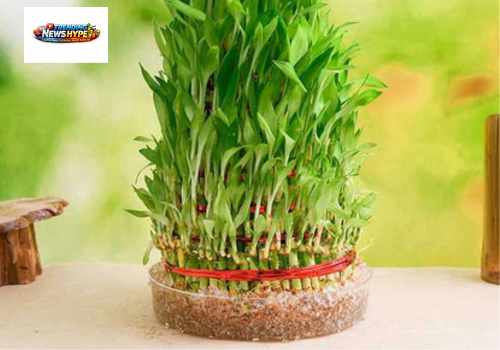
9. Lucky Bamboo
Despite its name, Lucky Bamboo is not actually bamboo. It is one of the easiest plants to maintain and can grow successfully in water.
Keep the roots submerged in clean water and replace the water every two weeks. It thrives in indirect light and serves as an attractive decorative plant for homes and offices.
Approximate Cost: Usually one of the more affordable decorative options, often $10–20 for a basic stalk arrangement.
Watering Frequency: Top off or fully replace the water roughly every 1–2 weeks to keep it fresh and oxygenated.
Honest Care Challenge: Lucky Bamboo is sensitive to chlorine and fluoride in tap water, which can cause yellowing leaf tips over time — using filtered or distilled water solves this far more reliably than adjusting how often the water is changed.
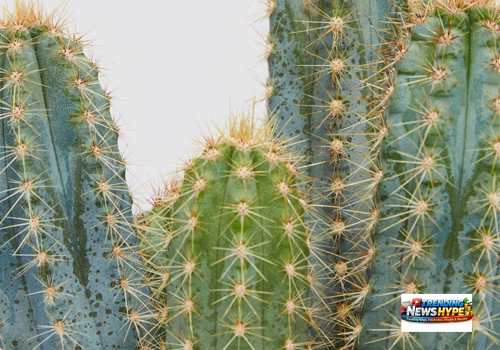
10. Cactus
Cacti are among the best plants for beginners who want extremely low-maintenance greenery. They thrive in dry conditions and typically require watering only every few weeks.
Most cacti prefer bright sunlight, making a sunny windowsill an ideal location. They are available in many shapes and sizes, adding visual interest to any plant collection.
Approximate Cost: Small cacti are typically very affordable, often $5–15 each, making them an easy way to build a varied collection without spending much.
Watering Frequency: Every 3–4 weeks during active growth, even less in winter dormancy — more cacti are killed by overwatering than by being forgotten.
Honest Care Challenge: Indoor light is rarely as strong as the desert sun most cacti evolved for, so even a “bright” windowsill can leave a cactus stretching toward the light and growing pale or lopsided over time without occasional rotation.
What to Buy First: A Starter Plant Collection on a Budget
Beginners often overspend on their first plant haul before they know what they actually enjoy keeping alive. A modest starting collection covers the basics without a large upfront investment.
A Reasonable Starting Budget: Two to three beginner-friendly plants (such as a Pothos, a Snake Plant, and a small Cactus) typically cost around $20–45 total at a big-box garden center. Add a bag of general-purpose potting soil (roughly $7–12 for a small bag, more for premium organic mixes) and two or three basic plastic pots with drainage holes (often $3–8 each), and a full starter setup commonly lands somewhere between $40 and $80, depending on pot style and plant size.
Where to Save and Where Not To: Big-box stores like Home Depot, Lowe’s, and Walmart are generally the cheapest source for common beginner plants, while specialty nurseries and online plant shops charge more but often deliver healthier specimens with better root systems. Soil is one place not to cut corners — a cheap, low-quality mix can compact and drain poorly, undermining even the easiest plant on this list, while a mid-range bag (around $10) performs noticeably better without costing much more.
Skip the Extras at First: A watering can, moisture meter, or decorative ceramic pot are nice but not necessary for a first attempt — a basic plastic nursery pot and a finger pressed into the soil to check moisture cover the essentials while you’re still learning what each plant actually needs.
Beginner Gardening Tips
If you are new to gardening, these simple tips can help you succeed:
- Start with two or three easy-care plants instead of buying many plants at once.
- Avoid overwatering by checking whether the soil is dry before adding water.
- Choose a location that provides the correct amount of light for each plant.
- Use pots with drainage holes to prevent root rot.
- Be patient, as healthy plant growth takes time and consistent care.
How to Tell If a Plant Is Actually Struggling vs. Just Adjusting
New plant owners often panic at the first sign of change, but not every yellow leaf or droopy stem means something is going wrong.
Normal Adjustment Signs: A plant dropping one or two older, lower leaves shortly after coming home is usually just adjusting to a new environment, not a sign of poor care. Slight, temporary drooping in a Peace Lily before its next scheduled watering is expected behavior, not distress.
Actual Warning Signs: Soft, mushy, dark stems near the soil line usually indicate root rot from overwatering and need attention quickly. Crispy, brown leaf edges across multiple leaves at once often point to low humidity or too much direct sun rather than a watering problem. Sudden widespread yellowing, rather than just one or two older leaves, is more likely to be a genuine watering or light issue worth investigating.
The Beginner’s Best Habit: Checking on a new plant every few days for the first month, without necessarily watering it each time, helps beginners learn what normal week-to-week variation looks like before they start reacting to every small change.
When and How to Add More Plants
Once the first one or two plants are clearly thriving, expanding a collection thoughtfully prevents the common beginner mistake of buying too much too soon.
A Reasonable Pace: Waiting until a first plant has visibly grown — a new leaf, a longer vine, a fresh offshoot — before adding another is a useful, low-pressure benchmark that doesn’t depend on a fixed timeline.
Diversify Light Needs Gradually: Choosing a second plant with different light requirements than the first (for example, a low-light Pothos alongside a bright-light Cactus) helps beginners learn to read a room’s light conditions rather than assuming every spot suits every plant.
Propagation as a Free Next Step: Many of the plants on this list, especially Pothos and Spider Plant, can be propagated into new plants from cuttings or plantlets at no extra cost, which is often a more confidence-building second step than buying something new and unfamiliar.
Frequently Asked Questions
What is the easiest plant for beginners?
Snake Plant is often considered the easiest plant for beginners because it tolerates low light, irregular watering, and a variety of indoor conditions.
Which beginner plant needs the least water?
Cacti, Aloe Vera, and ZZ Plants require very little water and are ideal for people with busy schedules.
Can beginners grow plants indoors?
Yes. Plants such as Pothos, Spider Plant, Snake Plant, and Peace Lily grow successfully indoors with minimal care.
How many plants should a beginner start with?
Most beginners should start with two to three easy-care plants. This allows them to learn basic plant care without becoming overwhelmed.
Conclusion
The best plants for beginners make gardening simple, enjoyable, and rewarding. Easy-care options such as Snake Plant, Aloe Vera, Spider Plant, Pothos, and ZZ Plant can thrive with minimal maintenance while helping new gardeners build confidence.
By starting with a few beginner-friendly plants, providing proper light, and avoiding overwatering, anyone can create a healthy indoor or outdoor plant collection. With patience and consistent care, your gardening skills will grow alongside your plants.



Pingback: Summer Vegetables to Grow - trendingnewshype.com
Pingback: Best Door Plants: Beautiful Plants That Make Your Entrance Feel Welcoming - trendingnewshype.com