
Indoor Plant Care Tips are often thought to be difficult to maintain, but in reality, most plants do not die because of neglect. They usually fail due to incorrect care methods such as overwatering, poor lighting, and unsuitable soil.
These small mistakes can slowly weaken even the healthiest plants. This complete indoor plant care guide provides a simple and practical system to help your houseplants survive and thrive in any home environment.
Whether you are a beginner or improving your plant care routine, this guide covers all essential aspects of indoor plant care. Read More: Low-Maintenance Plants for Busy People.
Understanding Indoor Plant Care Tips
Before caring for plants, it is important to understand their basic needs. Every indoor plant depends on four essential elements:
- Light
- Water
- Soil
- Proper care routine
Once these fundamentals are understood, plant care becomes much easier and more predictable. The goal as a beginner isn’t to memorize a rigid schedule — it’s to learn to read what your plant is telling you and respond accordingly.
A thirsty plant looks different from one that’s overwatered, and a plant that’s light-starved looks different from one that’s sitting in too much direct sun. Learning to tell these apart is most of what separates confident plant owners from anxious ones.
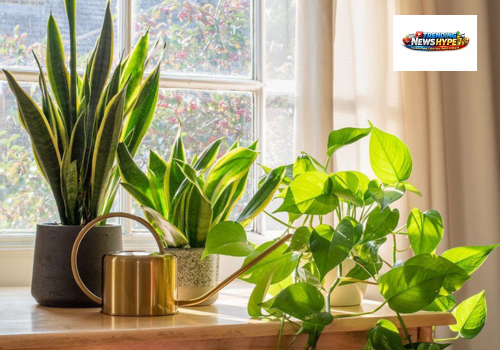
Best Plants for Beginners
If you are just starting, it is best to choose low-maintenance plants that can tolerate small mistakes:
- Snake Plant
- Pothos
- ZZ Plant
- Spider Plant
These plants are adaptable, forgiving, and suitable for most indoor environments. They’re a good choice precisely because they give you room to make mistakes while you’re still learning to read your space — how much light a windowsill actually gets, how quickly your soil dries out, how your apartment’s heating affects humidity. Start with one or two of these before branching out into fussier plants
Watering Indoor Plants Properly
Watering is the most common area where beginners make mistakes. The biggest issue is not underwatering but overwatering. It feels intuitive to water on a fixed schedule, but plants don’t use water at a fixed rate. How fast a pot dries out depends on light, temperature, humidity, pot size, and the season, so a schedule that works in summer can drown a plant in winter
How to Check When to Water
Instead of following a fixed schedule, always check the soil condition:
- Dry soil → Water the plant
- Slightly moist soil → Wait
- Wet soil → Do not water
A finger test (2–3 cm into the soil) is one of the most reliable methods. If it comes out dry, it’s time to water. If you can feel any moisture clinging to your finger, hold off and check again in a day or two.
Signs of Overwatering
Overwatering is one of the leading causes of houseplant death. Common signs include:
- Yellowing leaves
- Mushy or soft stems
- Bad smell from the soil
- Constantly wet soil
If these symptoms appear, reduce watering immediately and improve drainage. In more advanced cases, gently remove the plant from its pot to check the roots. Healthy roots are firm and pale, while rotting roots will look brown or black and feel slimy.
Importance of Drainage
Proper drainage is essential for healthy root development. Roots need to breathe, and they can’t do that sitting in waterlogged soil
Good Drainage Practices
- Always use pots with drainage holes
- Do not let excess water sit in trays
- Use a well-draining potting mix
- Avoid heavy garden soil indoors
Without proper drainage, roots can suffocate and begin to rot. which is often what’s really behind a plant that looks “overwatered” even when you haven’t been watering that often. If you’ve fallen in love with a decorative pot that has no drainage hole, the easiest beginner-friendly fix is to keep the plant in its plastic nursery pot and simply set that pot inside the decorative one
Indoor Plant Care Tips & Requirements
Light plays a crucial role in plant health and growth. And mismatched light is one of the most common — and most overlooked — reasons a beginner’s plant struggles.
Bright Indirect Light Plants
Most houseplants grow best in bright but indirect sunlight. These plants should be placed near windows but protected from harsh direct sun. In practice, “bright indirect” usually means a spot within about a meter or two of a large window where the sun is never falling directly on the leaves for long stretches — for example, a few feet back from a south- or west-facing window, or right up close to an east- or north-facing one.
Direct sun through glass can still reach 30,000 to 50,000 lux, intense enough to scorch most tropical foliage, while bright indirect light typically falls somewhere in the 1,000 to 10,000 lux range, plenty for healthy growth without the risk of burning
Examples include:
- Pothos
- Spider Plant
- Philodendron
Low Light Plants
Some plants can survive in low-light conditions:
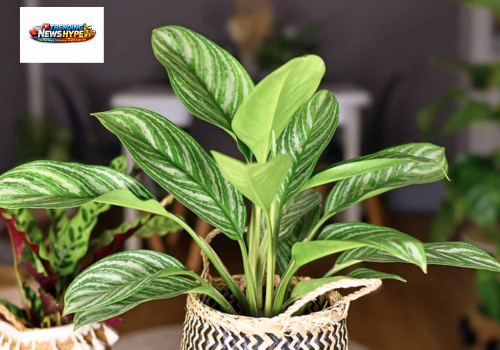
- Snake Plant
- ZZ Plant
These are suitable for bedrooms, offices, and shaded areas. A simple rule of thumb from horticulture extension offices is the reading test: if you can comfortably read a book in the spot during the day without turning on a lamp, there’s likely enough light for a true low-light plant.
North-facing windows, or spots more than a few feet from any window, typically fall into this range. Low-light plants tend to be understory species in their native habitats, meaning they evolved to grow beneath the canopy of larger plants, so they’re naturally adapted to getting by on filtered, indirect light. Read More: Plant Propagation for Beginners
Plant Placement Tips
- Place bright-light plants near windows
- Keep low-light plants in darker corners
- Avoid placing plants near heaters or air conditioners
Window orientation matters more than most beginners expect. In the northern hemisphere, south-facing windows let in the most light all day, west-facing windows bring intense afternoon sun, east-facing windows offer gentler morning light that suits most tropical houseplants, and north-facing windows provide the lowest, most even light with no direct sun.
It’s also worth remembering that placement isn’t fixed forever — light levels shift with the seasons, so a windowsill that’s perfect in summer can become too dim in winter as the sun’s angle drops, which is a common, overlooked cause of a plant suddenly struggling even though nothing in its location has technically changed.
Artificial Lighting Option
If natural light is limited, artificial lighting can be used:
- LED grow lights are recommended
- Keep lights on for 10 to 12 hours daily
- Adjust distance based on plant type
Most general houseplant guidance suggests 12 to 16 hours of light a day, run on a timer so the cycle stays consistent — too little and growth stalls, but lights left on around the clock can actually stress plants, since most species still need a period of darkness.
For distance, a common starting point is roughly 10 to 12 inches between the light and the top of the foliage for many household LED grow lights, moving the light closer for plants that need more intensity and further back for lower-light species. Watch the plant’s response over the first week or two: pale, stretched, “leggy” growth usually means it needs the light closer or for longer, while bleached or crispy leaf edges suggest it’s too close or running too long.
Humidity Requirements
Many indoor plants come from tropical environments and prefer moderate humidity levels. Dry indoor air — especially common in winter when heating is running — can leave leaf tips brown and crispy even when watering and light are both correct.
How to Increase Humidity
- Group plants together
- Lightly mist leaves when needed
- Use a humidifier if the air is too dry
Proper humidity helps prevent dry and crispy leaves.
Soil and Fertilizer Guide
Best Soil for Indoor Plants
Good potting soil should:
- Drain excess water easily
- Retain slight moisture
- Allow proper airflow to the roots
Garden soil should be avoided indoors because it is too dense and restrictive. It compacts quickly and holds far more water than potted roots can handle
Fertilizing Indoor Plants
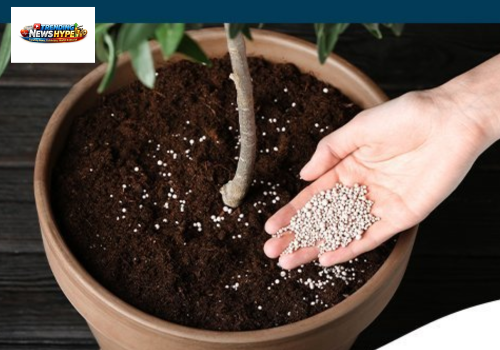
Plants require nutrients during active growth periods:
- Fertilize every 2 to 4 weeks in spring and summer
- Reduce feeding during winter
- Avoid over-fertilizing, as it can damage roots
Organic Fertilizer Options
- Compost
- Worm castings
- Liquid seaweed
These improve soil health over time and support long-term plant growth, rather than just delivering a quick nutrient spike.
Repotting Houseplants
Plants eventually outgrow their pots and require repotting.
Signs You Need to Repot
- Roots growing out of drainage holes
- Water drains too quickly
- The plant becomes unstable
How to Repot
- Choose a slightly larger pot
- Replace old soil with fresh potting mix
- Gently loosen the roots
- Repot every 1 to 2 years
- Repotting in spring, right as the growing season begins, gives the plant the best chance to recover quickly from the disturbance.
Easy Indoor Plants for Beginners
Snake Plant
- Very low maintenance
- Requires minimal watering
- Tolerates low light conditions
Pothos
- Fast-growing plant
- Adapts to different light levels
- Easy to propagate
ZZ Plant
- Extremely low maintenance
- Survives neglect
- Ideal for busy individuals
Spider Plant
- Grows quickly
- Easy to reproduce
- Adapts well to indoor environments
Common Indoor Plant Problems
- Overwatering: The most common mistake. Always check the soil before watering.
- Poor Lighting: Leads to weak growth and pale or yellow leaves.
- Pests: Common pests include Aphids, Spider mites, Fungus gnats
- Wrong Soil: Heavy soil prevents proper airflow and slows root growth.
Beginner Success Tips
- Start with only 2 to 3 plants, so you can give each one real attention.
- Observe your plants weekly for small changes in leaf color or soil moisture.
- Adjust your care routine as the seasons change, since light and humidity shift throughout the year.
- Be patient — meaningful plant growth takes time, and a plant that looks unchanged for a few weeks isn’t necessarily struggling.
Frequently Asked Questions
1. How often should indoor plants be watered?
Indoor plants should be watered only when the top 1–2 inches of soil feel dry to the touch. There is no fixed watering schedule because watering needs vary depending on the plant type, pot size, season, and indoor temperature. Overwatering is one of the most common reasons houseplants struggle, so always check the soil before adding water. Using pots with drainage holes also helps prevent root rot.
2. What is the easiest indoor plant for beginners?
The Snake Plant and Pothos are among the easiest indoor plants for beginners because they are hardy and require very little maintenance. They can tolerate low light, occasional missed waterings, and a range of indoor conditions. These plants also grow well in homes and offices, making them excellent choices for first-time plant owners.
3. Why are my plant leaves turning yellow?
Yellow leaves are most commonly caused by overwatering or poor drainage, which can damage the roots. However, they may also result from insufficient light, nutrient deficiencies, or natural aging of older leaves. Check the soil moisture, ensure the pot drains properly, and place the plant in suitable lighting. Correcting these issues early can help restore healthy green growth.
Conclusion
Indoor plant care becomes simple once the basic principles are understood. Proper watering, suitable lighting, and the right soil conditions are the foundation of healthy plant growth.
With consistent care and observation, indoor plants can transform any home into a healthier, more peaceful, and naturally beautiful space. Start small, choose forgiving plants while you learn, and pay attention to what your plants are showing you week to week

Pingback: Low Maintenance Plants for Busy People - trendingnewshype.com